1. Causes of Joint Cracking or Popping Sounds
A joint connects two bones, enabling movement and supporting daily activities. Joints consist of ligaments, tendons, muscles, cartilage, and synovial membranes.
For smooth joint function, the synovial membrane must secrete an adequate amount of synovial fluid. The cracking or popping sound often occurs when the pressure inside the joint changes suddenly, causing gas bubbles to form and burst, or due to sudden movement of ligaments and soft tissues around the joint.
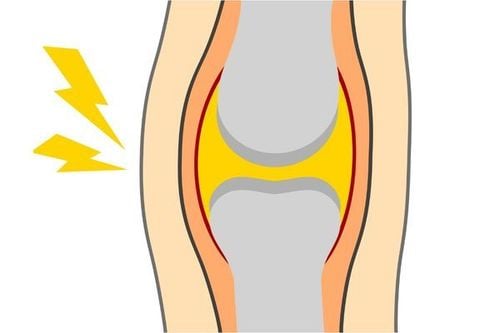
If the sound is not accompanied by other abnormal signs, it is generally harmless. However, in some cases, abnormalities in joint structures lead to insufficient synovial fluid secretion, causing the cracking sounds.
Several factors can cause joint cracking, including:
1.1 Osteoarthritis
Osteoarthritis is a common cause of joint cracking during movement. It is a degenerative disease caused by natural aging, commonly affecting people over 30 and involving multiple joints, especially the cervical and lumbar spine, and knees.
In osteoarthritis, cartilage wears down and bone spurs develop. These spurs rub against each other during movement, causing cracking sounds. This condition also reduces synovial fluid, leading to dry joints and creaking noises. Other symptoms include pain, swelling, redness, and difficulty moving.
1.2 Joint Dryness
Joint dryness (lack of synovial fluid) results from various factors. Reduced synovial fluid causes friction between cartilage surfaces, producing creaking sounds. Contributing factors include poor nutrition leading to osteoporosis and decreased synovial fluid secretion, obesity, lack of exercise, and aging.
1.3 Injury
Joint cracking can occur due to sports injuries or accidents. Cartilage, which cushions bone ends, may be damaged, causing bones to rub together and make noise. This not only produces sound but also causes pain, soreness, and swelling.
1.4 Rheumatoid Arthritis
Rheumatoid arthritis is an autoimmune disease affecting one or multiple joints. Patients may hear joint cracking along with swelling and pain in small joints, usually symmetrical, and experience morning stiffness. Early diagnosis and treatment are essential to prevent rapid progression and severe movement impairment.
1.5 Tendinitis
Tendinitis is inflammation of tendons (connecting muscles to joints). Inflamed tendons may rub against bones, producing noise during movement.
1.6 Joint Calcification
Joint calcification occurs when calcium deposits build up in cartilage and subchondral bone, most commonly in the knee. This damages cartilage and causes creaking or cracking sounds during vigorous movement.
2. How to Treat Joint Cracking
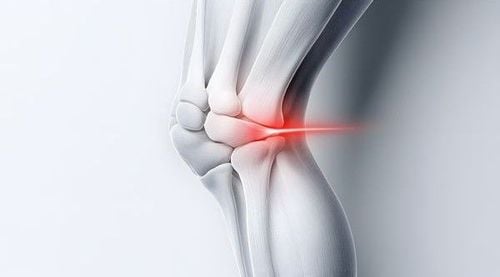
Joint noises during movement or exercise can cause concern, but the first step is to identify the underlying cause.
If cracking sounds occur frequently along with other symptoms like swelling, warmth, pain, or difficulty moving, patients should seek medical evaluation for proper diagnosis and treatment.
Providing adequate nutrition for joint health is important. Patients should adopt a balanced lifestyle with proper diet, exercise, weight management, and sufficient rest.

3. How to Prevent Joint Cracking
Prevention depends on the underlying cause. Some general measures include:
- Balanced nutrition: Joints may crack due to deficiencies in vitamin D, B12, calcium, and collagen. Eating a varied diet with vegetables, fruits, fish, meat, eggs, dairy, nuts, and grains helps supply these nutrients.
- Maintain healthy weight: Overweight or obese individuals should follow a balanced diet and exercise plan to prevent excess pressure on joints and early degeneration.
- Regular exercise: Maintaining joint flexibility and reducing cardiovascular risk can be achieved through daily activities like yoga, running, walking, or swimming, which also reduce joint noises.
- Adequate rest: The body repairs and regenerates during rest, so balancing work and rest is crucial to avoid overstrain.
- Avoid improper posture: Protect joints and surrounding tissues by avoiding heavy lifting, awkward postures, and prolonged positions. Habits like cracking knuckles, twisting the back or neck, or bending improperly while lifting can cause long-term joint damage.
- Supplementation: Various joint supplements are available but should only be used under medical guidance to avoid misuse.

To arrange an appointment, please call HOTLINE or make your reservation directly HERE. You may also download the MyVinmec app to schedule appointments faster and manage your reservations more conveniently.