
This article has been medically reviewed by Dr. Le Thanh Tuan, a General Surgery specialist at Vinmec Nha Trang International Hospital. Dr. Tuan has extensive experience in examining, treating, and performing surgeries for abdominal diseases.
Benign rectal tumors are growths that appear on the inner mucosal surface of the rectum. Although they do not immediately threaten health, they have the potential to develop into cancer.
1. What is a rectal tumor?
The rectum is the final part of the digestive tract and is also the most common site for rectal tumors.
Typically, rectal tumors are benign; however, some cases may develop into malignant tumors, posing life-threatening risks.
Therefore, distinguishing between benign and malignant tumors is crucial in determining appropriate preventive and treatment strategies.
A benign tumor refers to a non-cancerous growth, while a malignant tumor is cancerous and can spread to other parts of the body.
2. Benign rectal tumors
A benign rectal tumor is a type of rectal polyp that develops on the inner mucosal lining of the rectum. Although it does not immediately affect the patient’s health, it can cause digestive disorders and rectal bleeding.
There are several types of benign rectal tumors, including rectal polyps, fibroids, lipomas, hemangiomas, and some rare benign tumors. If a tumor progresses to cancer, surgical removal alone may not be effective and could even be life-threatening.
Polyps are the most common benign rectal tumors, usually appearing as a single growth, though they may also develop in clusters of two, three, or even dozens.
While other benign tumors can also progress to cancer, surgical removal is often the best option. However, the decision to perform surgery depends on the patient's age and overall health condition.
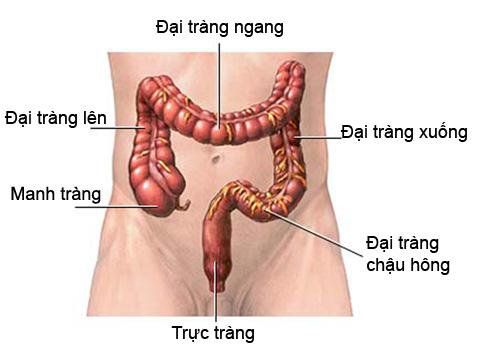
3. Malignant rectal tumors
Certain rectal conditions can lead to cancer, including: Chronic ulcerative colitis; Multiple polyps (if detected late); Chronic rectal inflammation
Symptoms of rectal cancer may include: Bleeding and mucus in the stool; Unexplained weight loss; Severe anemia; Bowel obstruction (if the tumor is too large)
4. Differences between benign and malignant tumors
A key distinction between benign and malignant rectal tumors is symptom presentation.
In the early benign stage, symptoms are usually absent.
However, when a tumor progresses to malignancy (colorectal cancer), the patient may experience:
- Abdominal pain: This is a common symptom. The pain may resemble appendicitis or colitis. It is often mild, vague, and located in the right or left lower abdomen or upper abdomen, depending on the tumor’s location.
- Digestive disorders: Symptoms such as alternating constipation and diarrhea may occur. While this can be a common issue, it could also be a warning sign of a malignant colorectal tumor.
- Colon bleeding, bloody stools: Patients experience bloody stools, typically dark, grayish in color, and rarely bright red. The blood is mixed with the stool. Prolonged bleeding may lead to blood loss, which can result in fatal consequences.
In the later stages, a tumor may be palpable, and in some cases, it can cause intestinal obstruction.
Additionally, the disease may present with systemic symptoms such as weight loss, weakness, pallor, anemia, and mental deterioration.
Malignant colon tumors are extremely dangerous and can directly threaten a patient's life if not treated promptly. These tumors may be colorectal cancer or connective tissue cancer.
However, not everyone can accurately distinguish between benign and malignant tumors. Particularly, small malignant tumors may also be capable of spreading.
5. Tumor diagnosis methods

There are many imaging techniques that can accurately identify tumors, such as ultrasound, X-rays, and computed tomography (CT) scans. However, to determine whether the cells are cancerous or benign, a biopsy is required.
If the biopsy confirms malignancy, the patient will need further specialized diagnostic tests to assess the extent of tumor spread, determine the disease stage, and develop the most appropriate treatment plan.

To arrange an appointment, please call HOTLINE or make your reservation directly HERE. You may also download the MyVinmec app to schedule appointments faster and manage your reservations more conveniently.