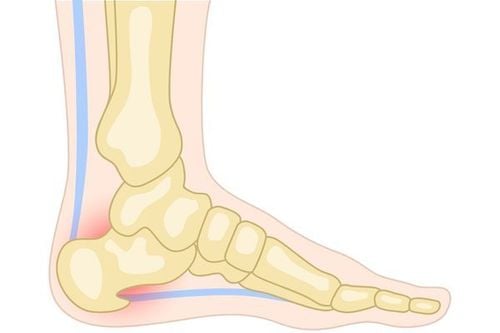
1. General Overview
In orthopedic trauma surgery, surgeons may use stainless steel or titanium implants such as plates, screws, and rods to serve various purposes, including:
- Stabilizing fractured bones to promote proper healing;
- Fusing bones to treat joint diseases such as arthritis;
- Realigning or reshaping bones for corrective purposes.
Once the trauma has healed, doctors may recommend a procedure to remove the internal fixation hardware. For intramedullary nails, removal is typically considered after one year. In the case of plates or other types of fixation devices, removal is usually recommended after 1.5 to 2 years.
Although this is a general medical guideline, the decision to remove or retain the hardware also depends on the patient’s preference and individual circumstances.
2. When Should Internal Fixation Hardware Be Removed After Orthopedic Trauma Surgery?
Biologically, bone is naturally elastic and flexible, while internal fixation devices such as plates and screws are typically made from rigid materials like stainless steel. Due to the difference in material properties, these devices only provide temporary structural support and cannot fully replicate the natural strength and adaptability of bone. Thus, if the bone and the fixation hardware are not compatible, complications may occur, potentially affecting the patient’s health. Potential benefits of hardware removal include:
- Reduced pain or discomfort caused by the metal implants;
- Opportunity to treat infections surrounding the fixation site;
- Prevention of interference with daily activities or movements;
- Restoring mechanical stress on the bone can promote bone strengthening and increase cortical bone thickness, thereby lowering the risk of future fractures.
Doctors generally recommend hardware removal for patients of working age, especially when the fixation is in the lower limbs. For upper limbs, removal is often optional.
In elderly patients (typically 60 years old and over), those with underlying diseases, and limited mobility, doctors may advise leaving the implants in place to avoid the risks associated with another surgical procedure.
3. Important Information to Know Before Having Internal Fixation Hardware Removed
In addition to surgery, patients may try temporary measures to reduce discomfort caused by the metal implants, such as:
- Taking pain relievers as prescribed, avoiding pressure on the affected area, and keeping the area warm during cold weather.
- If an infection occurs around the metal hardware, patients may be prescribed antibiotics. However, surgical removal is usually more effective than medication alone in resolving such infections.
What happens if the hardware is not removed? Skipping hardware removal may lead to the following complications:
- Risk of localized infection, which could damage bone and soft tissues, potentially developing into a more serious infection;
- Increased sensitivity to cold weather, causing pain and discomfort due to the metal’s response to temperature changes;
- Inconvenience when passing through security checks, as metal implants may trigger alarms.
Additionally, some studies suggest that prolonged retention of metal implants may carry a small risk of heavy metal accumulation in the body. However, this risk is considered low and should not cause unnecessary concern.
Before undergoing fixation hardware removal surgery, patients should be fully understood of the potential risks and considerations. If there are any questions or concerns, consult your doctor for more detailed guidance.

4. The Procedure for Fixation Hardware Removal
Before the surgery, healthcare staff will perform several checks to confirm that the correct procedure is being carried out and to identify the exact location of the implant. Patients can support the medical team by providing accurate information to the surgeon and staff. It is also important to inform your doctor about any medications you are currently taking and to follow pre-operative instructions carefully. For example, for anticoagulants such as Warfarin or antiplatelet drugs like Clopidogrel, patients may be advised to stop taking them before surgery to reduce the risk of bleeding complications.
There are many anesthesia options available for this procedure. The anesthesiologist will recommend the most appropriate method for each patient. Local anesthesia may be used to minimize pain after the procedure, and antibiotics may be administered during surgery to reduce the risk of infection.
In most cases, the surgeon will remove the fixation hardware through the original incision used to place it. However, due to natural healing over time, scar tissue or new bone growth may make the implant more difficult to find. In such cases, a slightly larger incision may be necessary, guided by X-ray imaging. Once the hardware is removed, the incision is closed with sutures or staples. The procedure typically lasts between 30 minutes to 1 hour.
Most patients can walk normally within a week or immediately after the surgery, although some mild pain at the surgical site may occur. To avoid complications such as fractures, patients are advised to avoid heavy lifting or strenuous activity. Within 2 to 3 months, the screw holes in the bone will naturally close, so patients should not be overly concerned.
While fixation hardware removal after orthopedic trauma surgery is a fairly common procedure, choosing a reputable medical facility is essential to ensure patient safety and reduce the risk of complications.
To arrange an appointment, please call HOTLINE or make your reservation directly HERE. You may also download the MyVinmec app to schedule appointments faster and manage your reservations more conveniently.