1. What is a Heel Spur?
A heel spur, also known as plantar fasciitis or calcaneal spur, is a common condition in adults that causes inflammation of the plantar fascia—the thick band of tissue connecting the heel bone to the toes. This area endures significant pressure during daily activities and is prone to injury and inflammation. When inflammation occurs, the body may respond by producing new bone growth at the edge of the heel bone, forming a sharp bony projection visible on X-rays. Heel spurs are usually diagnosed through physical examination and imaging studies such as X-rays, where the spur appears as a pointed outgrowth on the underside of the heel bone.
2. Symptoms of Heel Spurs
Common signs and symptoms of a heel spur include:
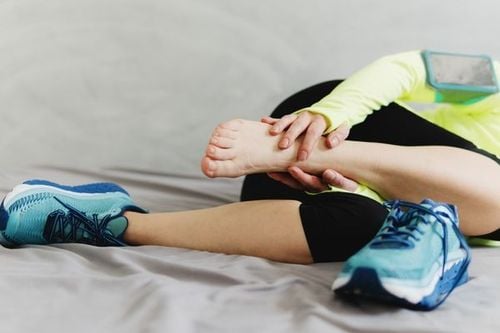
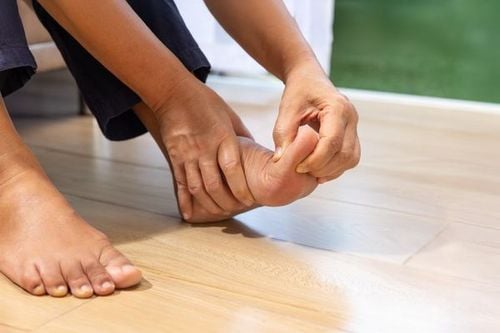
- Pain on the bottom of the heel, especially about 4 cm forward from the heel’s edge.
- Intense pain during the first steps in the morning, which usually eases after walking for a while.
- Increased pain with sudden movements, prolonged standing, walking, or wearing inappropriate footwear. Pain may worsen when carrying heavy loads or walking on hard surfaces.
- Pressing around the heel or standing on the heel may trigger sharp pain.
3. Causes of Heel Spurs
Heel spurs are caused by excessive strain on foot muscles and ligaments, often from prolonged walking, running, or standing on hard surfaces. This strain can lead to small tears or inflammation of the plantar fascia. The body may respond by depositing calcium at the heel, forming a spur. Risk factors include:
- Prolonged pressure on the feet from physical activity or occupation.
- Wearing high heels, tight shoes, or footwear lacking proper arch or heel support.
- Obesity or being overweight, which increases stress on the feet.
- Sudden overstretching of the plantar fascia during activities like tiptoeing or climbing stairs.
- Achilles tendonitis, which can impair foot movement and damage the plantar fascia.
- Gout
- Bruising or tearing heel injuries
- Systemic lupus erythematous: pain often presents in the morning and improves throughout the day
- Venous insufficiency in the heel area, leading to swelling and pain due to poor blood circulation.
To identify the exact cause, patients should consult a medical professional for an accurate diagnosis and appropriate treatment plan.
4. Treatment Protocol for Heel Spurs
Heel spurs are not typically considered dangerous and can often be effectively managed with proper care. Treatment options include:
- Medications: Doctors may prescribe nonsteroidal anti-inflammatory drugs (NSAIDs) such as Ibuprofen, Naproxen, Aspirin, or Celecoxib, and analgesics like Acetaminophen to relieve pain and inflammation. In more severe cases, corticosteroid injections may be administered directly to the affected area. Note: Patients should not self-medicate and must follow medical instructions carefully.
- Surgery: Surgical intervention is rarely necessary and is usually reserved for cases where conservative treatments fail. Surgery may involve removing the inflamed tissue, releasing the plantar fascia, or decompressing surrounding structures. However, surgery carries potential risks such as nerve damage, infection, persistent pain, numbness, and scarring. Post-operative care includes rest, ice application, and gradual return to physical activity.
- Physical Therapy: Therapeutic options include ultrasound therapy, infrared heat, shortwave diathermy, and specific exercises to stretch and strengthen the plantar fascia. Patients may also apply ice to the heel four times daily for 15–20 minutes each time to reduce inflammation and pain.
5. Important Notes for Patients with Heel Spurs
Heel spurs are often caused by repeated stress or injury to the foot, leading to calcium buildup. Most cases involve minor tendon injuries and respond well to conservative treatment within a few weeks to months. However, recurrence is common, and complete eradication can be difficult. To prevent recurrence and improve outcomes, patients should:
- Rest the foot: Avoid prolonged standing or walking, but don’t stay completely inactive.
- Choose proper footwear: Wear shoes with appropriate heel support and cushioning. Avoid shoes that are too soft or too rigid.
- Avoid heavy lifting to reduce stress on the heel.
- Elevate the foot, use compression wraps, or apply cold compresses for pain relief.
- Warm up thoroughly before exercising, especially the ankle and foot.
- Massage and stretch the heel regularly.
- Follow a nutritious diet and supplement with essential vitamins and minerals if needed.
- Maintain a healthy weight and engage in regular physical activity to strengthen the foot muscles, especially the plantar fascia and heel area.
If you experience symptoms of heel spurs, it is best to consult a healthcare provider early for timely diagnosis and management. Based on the severity and cause of your condition, your doctor will recommend the most appropriate treatment.
To arrange an appointment, please call HOTLINE or make your reservation directly HERE. You may also download the MyVinmec app to schedule appointments faster and manage your reservations more conveniently.