

When a child is diagnosed with Autism Spectrum Disorder (ASD), many parents feel overwhelmed and uncertain: “How will my child be supported, through which methods, and for how long?”
This blog was written by: MSc. Phan Thi Phuong - Special education and health specialist Integrated Mental Health Care Center (IMHC) - Vinmec Times City International General Hospital
The truth is, ASD is not a condition that can be effectively addressed with a single intervention. Each child has a unique developmental profile, distinct challenges, and individual needs. Therefore, international guidelines - such as those from the U.S. Centers for Disease Control and Prevention (CDC) - emphasize that effective intervention for children with ASD should be multimodal, multidisciplinary, and individualized.
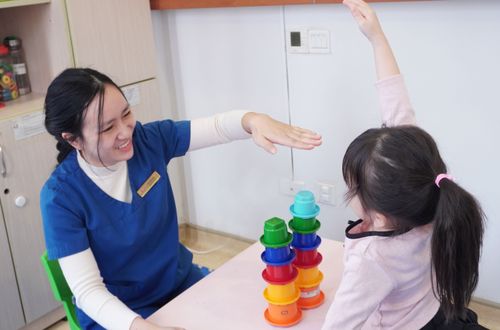
Based on this foundation, IMHC applies an integrated intervention model consisting of 06 major therapeutic approaches: behavioral, psychological, developmental, educational, social–relational, and pharmacological approaches.
1. Behavioral Approaches
These approaches have a lot of strong scientific evidence, focusing on supporting children in developing appropriate behaviors and essential learning skills. A representative approach within this framework is Applied Behavior Analysis (ABA). ABA helps encourage appropriate and functional behaviors that are useful in daily life, while reducing behaviors that interfere with learning and adaptation. Behavioral interventions are applied flexibly, in accordance with each child’s abilities and emotional state.
At IMHC, ABA is not applied rigidly; instead, it is adapted flexibly to suit each child’s individual abilities and emotional needs.
2. Developmental Approaches
These approaches emphasize holistic development and the quality of relationships between the child and those around them. The goal is not only to improve individual skills, but also to support the child’s balanced and integrated development in everyday life.
Therapies within this group include:
- Early Start Denver Model (ESDM): An early intervention approach designed for children aged 12–48 months, combining behavioral principles with play-based activities and social interaction. This approach takes advantage of the period of rapid brain development to provide support as early as possible.
- Speech-Language Therapy: Helps children develop communication skills through gestures, visual supports, and spoken language.
- Occupational Therapy: Supports essential daily living and learning skills while also helping children regulate sensory processing.

3. Educational Approaches
These are structured and visually supported educational approaches that help children with ASD (Autism Spectrum Disorder) better understand their environment, increase predictability, and reduce anxiety. Creating an appropriate learning environment plays a crucial role in supporting children with autism.
One educational approach based on these principles that is implemented at IMHC is the Treatment and Education of Autistic and Related Communication Handicapped Children (TEACCH) program. Visual schedules and clearly defined physical boundaries between learning and play areas help children anticipate activities more easily and reduce anxiety.
4. Social–Relational Approaches
This group of approaches focuses on building a secure emotional relationship, helping children gradually expand their ability to interact, communicate, and participate in social activities in ways that are appropriate for them.
Interventions in this group include:
- DIR/Floortime Model: Encourages adults to follow the child’s interests to expand interaction and communication. The goal is to establish emotionally secure relationships that support learning.
- Social Stories: Help children understand social situations in advance, anticipate what will happen, and learn appropriate responses, thereby reducing anxiety and confusion.
- Social Skills Groups: Small group settings allow children to practice communication, sharing, and cooperation with peers in a safe, guided environment.
5. Psychological Approaches
These approaches focus on supporting children’s emotional well-being, with an emphasis on helping them recognize, regulate, and cope with emotions.
One such method is Cognitive Behavioral Therapy (CBT). During CBT, psychologists help children identify unhelpful thoughts and examine evidence to replace them with more adaptive ones. CBT is particularly beneficial for older children and adolescents, helping them understand the connection between thoughts, emotions, and behaviors, and enabling them to respond more appropriately to anxiety and stress.
6. Pharmacological Approaches
Currently, medications such as Risperidone (for children aged 5 and above) and Aripiprazole (for children aged 6 and above), as recommended by the U.S. Food and Drug Administration (FDA), may be used primarily as supportive measures. These medications aim to reduce associated difficulties in daily functioning, making everyday activities for children feel more comfortable and manageable.
At IMHC, medication is considered only as an adjunct to the other intervention approaches listed above. When medication is prescribed, psychiatrists carefully evaluate each case and individualize treatment, with the highest priority placed on safety and long-term benefit for the child.

At the Integrated Mental Health Care Center, Vinmec, all consultations and interventions are grounded in scientific evidence. If we imagine therapy as building a house, behavioral approaches are the solid bricks. Speech and occupational therapies are the electrical and plumbing systems that allow the house to function. Medication is like adjusting the temperature to make the environment more comfortable.
And family is the very foundation that keeps the house strong and enduring.
If you are looking for a place that not only “intervenes” but also listens, understands, and walks alongside your family, IMHC is always ready to accompany you on this journey.
References (APA 7th Edition)
- Centers for Disease Control and Prevention. (2023). Treatment and intervention services for autism spectrum disorder. https://www.cdc.gov/autism/treatment/index.html
- Cleveland Clinic. (2024). Autism therapies. https://my.clevelandclinic.org/health/articles/autism-therapies
- Expert Minds. (n.d.). Autism therapies and interventions. https://expertminds.com.au/autism-therapies-and-interventions/
- National Center for Biotechnology Information. (2016). Evidence-based practices for children with autism spectrum disorder. Journal of Autism and Developmental Disorders, 46(7), 2413–2428. https://pmc.ncbi.nlm.nih.gov/articles/PMC5044466/
- Vietnam Institute of Early Intervention (VICA). (n.d.). Early intervention approaches for children with autism. https://vica.edu.vn/cac-phuong-phap-can-thiep-som-cho-tre-tu-ky/
- World Health Organization. (2019). International classification of diseases for mortality and morbidity statistics (11th ed.).
https://icd.who.int
To arrange an appointment, please call HOTLINE or make your reservation directly HERE. You may also download the MyVinmec app to schedule appointments faster and manage your reservations more conveniently.