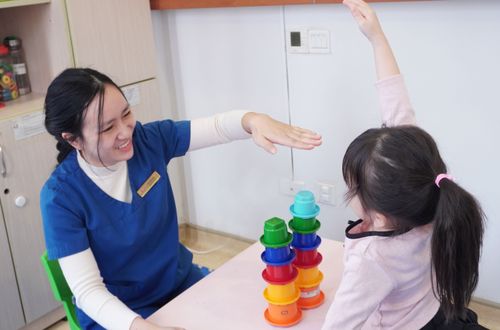

Autism Spectrum Disorder (ASD) is a neurodevelopmental disorder that has been known and studied for a long time in medical history. In Vietnam and worldwide, the proportion of children with ASD has been increasing, making ASD a paediatric mental health issue that is currently given most attention to. Understanding ASD correctly can help parents feel less confused and anxious, and build the most scientific plan to accompany their child.
Content Written by: MSc. Doctor Do Van Duc - Psychology and Psychiatry - Integrated Mental Healthcare Center - Vinmec Times City International Hospital.
1. What is Autism Spectrum Disorder (ASD)?
According to the DSM-5, an internationally recognized diagnostic tool, ASD is a chronic neurodevelopmental disorder. The word “spectrum” indicates that ASD presents with extremely diverse manifestations, with no two individuals with ASD being completely alike, and the degree of impact on daily life can range from mild to severe.
The typical signs of ASD fall into two groups of symptoms:
- Persistent deficits in social communication and social interaction
- Restricted, repetitive patterns of behaviour, interests, or activities
An important update compared with older diagnostic standards is the merging of previous diagnoses - such as autistic disorder, Asperger’s syndrome, and pervasive developmental disorder not otherwise specified (PDD-NOS) - into a single diagnosis: “autism spectrum disorder”. This emphasizes the continuity of a “spectrum” rather than separate, distinct diagnoses.
However, in recent decades, a more progressive and humane perspective has emerged and gained broad recognition: Neurodiversity. This view holds that differences in brain structure and function are a natural part of human biological diversity, similar to diversity in race or gender. This perspective emphasizes acceptance, respect for differences, and focusing on strengths rather than viewing only deficits.
These two perspectives do not exclude each other; in fact, they complement each other. The medical perspective helps identify specific support and intervention needs, whilst the neurodiversity perspective aims to build an inclusive society, where every individual has value and can develop their potential to the fullest. Understanding a child through both lenses is the foundation for a balanced approach: intervening to support difficulties, while also loving and nurturing the child’s unique identity.

2. Why is the proportion of children with ASD increasing?
According to the U.S. Centers for Disease Control and Prevention (CDC) in 2022, the prevalence of ASD is currently 1 in 31 children, rising sharply from 1 in 150 in 2000. This increase is believed to be due to better awareness of ASD, expanded diagnostic criteria, and improved early detection, rather than a new “epidemic wave.” This means we are seeing and supporting more children, especially those with milder ASD who may have been overlooked previously.
ASD occurs across all races, ethnicities, and socioeconomic groups. The rate of ASD is higher in boys than in girls (about 4:1), but this may be because the signs in girls are often harder to detect and more likely to be missed.
3. Cause of Autism Spectrum Disorder
Currently, there is no definitive scientific evidence regarding the exact cause and pathogenesis of ASD; however, strong evidence suggests that genetic and neurobiological factors play a leading role.
- Genetics: Studies of twins show that if one identical twin has ASD, the likelihood that the other twin also has ASD can be as high as 60–90%. Hundreds of different genes are involved, each contributing a part of overall risk through extremely complex mechanisms that are still not fully understood.
- Prenatal and perinatal environmental risk factors: These may interact with genetic factors, including advanced parental age, preterm birth, low birth weight, or certain birth complications.
- Differences in brain structure and function: Imaging studies show differences in development and connectivity in the brains of children with ASD, especially in regions related to social interaction, communication, and sensory processing. There are also hypotheses involving neurotransmitter dysfunction that may affect behavioural issues in ASD.
It is important to emphasize that these are “risk factors,” not direct causes of ASD.
Note:
The cause of ASD is not related to emotional distance between the child and parents, parenting style, or the child watching a lot of TV/ phones, etc. However, unfavorable environmental factors can make symptoms more severe and interventions more difficult.
ASD is the result of a complex interaction between genes and environment, leading to atypical neurodevelopment. This is not anyone’s fault - it is a natural difference in human development.
4. Early signs of Autism Spectrum Disorder
Early intervention is the golden key to significantly improving long-term outcomes. Some signs that parents can observe before 24 months of age include:
- Not responding when called by name at 12 months
- Not pointing to objects, or not pointing to show interest at 14 months
- Not engaging in pretend play (such as feeding a doll) at 18 months
- Avoiding eye contact, preferring to play alone
- Has difficulty understanding or talking about their own feelings or the feelings of others
- Delayed speech, loss of previously acquired language, or speaking without using speech for conversational communication
- Repeating words/phrases, echolalia (repeating what others say)
- Becoming upset with small changes
- Rigidly lining up toys; being overly fascinated with one part of a toy (e.g., car wheels)
- Repetitive movements: clapping, spinning, toe-walking, etc.
- Unusual sensory responses to sound, smell, taste, sight, touch, or textures of objects
When there are signs of suspected ASD, parents/caregivers should bring the child to healthcare facilities for comprehensive evaluation and counseling, to avoid missing the optimal window for intervention.

5. Diagnostic process at Vinmec
Diagnosis is conducted by a multidisciplinary team (psychiatrist, psychologist, special education teacher, etc.) through the following steps:
- Step 1: Assessment and information gathering
- Clinical interview with parents about the child’s developmental history and behaviors
- Direct observation of the child in a natural setting (play, interaction)
- Use of standardized assessment tools such as M-chat, ADOS-2, and CARS-2
- Comprehensive assessment of language, cognition, motor skills, and psychological status
- Additional specialist consultations or tests if needed
- Step 2: Integrate information and determine diagnosis according to DSM-5 criteria
- Step 3: Share information with the family, explain findings, and provide guidance
- Step 4: Schedule follow-up visits and periodic monitoring
Note: There is no blood test or imaging scan that can diagnose ASD. Diagnosis is entirely based on observation and clinical assessment by experts.
6. Intervention for children with ASD
Intervention for children with ASD requires an individualized and multimodal protocol aimed at improving quality of life and integration, based on these principles:
- Intervene as early as possible, as soon as autism signs are suspected - do not wait for a confirmed ASD diagnosis
- The program should be continuous, daily, intensive, systematically planned, and designed specifically for each child
- Low teacher-to-child ratio, allowing for 1:1 sessions and small-group sessions
- Use teaching programs that address multiple developmental domains
- Active family participation
- Periodic assessments and monitoring of each child’s progress toward educational goals
6.1 Educational intervention strategies
Many autism intervention approaches have been known and practiced for years worldwide and in Vietnam. Each method has its own theory, approach, and goals. Families and professionals may use one method or combine multiple methods to achieve the best outcomes. Intervention approaches can be grouped as follows:
- Behavioural interventions: Focus on teaching new skills and behaviours using specialized, structured techniques. These approaches are based on Applied Behaviour Analysis (ABA). Some approaches include:
- Discrete Trial Training (DTT)
- Lovaas program
- Positive Behaviour Support (PBS)
- Developmental interventions: Focus on helping children develop positive, meaningful interpersonal relationships. Children are taught social and communication skills in structured settings and daily living skills. Some approaches include:
- Developmental, Individual-difference, Relationship-based (DIR)/Floortime
- Relationship Development Intervention (RDI)
- Combined interventions: Systematically integrate both behavioural and developmental methods. Methods include:
- Early Start Denver Model (ESDM)
- TEACCH
- Family-based interventions: Emphasize the family’s active participation as central to meeting the child’s developmental needs.
- Therapy-based interventions: Focus on specific therapeutic methods targeting particular difficulties. These therapies are often combined with or embedded within other intervention programs. Methods include:
- Picture Exchange Communication System (PECS)
- Functional Communication Training (FCT)
- Speech-language therapy
- Occupational therapy
6.2 Role of medication
Medication cannot cure ASD, but it can help manage certain severe co-occurring symptoms, enabling the child to participate more effectively in intervention and learning. Medication must always be prescribed based on careful evaluation by a psychiatric specialist and cannot replace behavioural–educational interventions.
- Atypical antipsychotics: Risperidone and Aripiprazole are the only two medications officially approved by the U.S. FDA to treat behavioural problems in children with ASD, such as managing aggression, irritability, self-injurious behaviour, stereotyped behaviours affecting functioning, and hyperactivity (typically from age 5 - 6 and above)
- Sleep-support medications
- Medications for Co-occurring Disorders: e.g. ADHD
- Antidepressants (SSRIs): May be considered to reduce anxiety, obsessions, or severe repetitive behaviors, but require close monitoring for side effects.
7. Family support
Parents and family members are the people who understand the child best and are the most important therapists. A child’s progress depends greatly on parents’ patience and consistent support, and on creating a stable, safe environment, including the following roles:
- Observe and support: Learn to understand the child’s “language of behaviour,” recognizing that the child is trying to communicate without yet having the right language skills.
- Create a safe environment: Establish stable, consistent routines and schedules so the child feels predictability and reduced sensory overload.
- Encourage communication: Create opportunities, wait patiently, and reinforce every attempt the child makes to communicate.
- Protect the child from stigma, and advocate for the child’s right to appropriate education and support.
- Take care of yourself: Parents’ mental and physical health is the foundation for long-term caregiving. Allow yourself to rest and seek support from the community to care for yourself and share experiences.

Vinmec accompanies you
The journey of understanding and accompanying a child in the unique world of the autism spectrum can be challenging and requires patience and sustained effort, but it is not a journey you must take alone.
At Vinmec’s Integrated Mental Healthcare Center, we believe every child is a unique world, and every family needs a dedicated and professional support roadmap. We aim to be a trusted companion for parents and families.
With dedication, expertise, and empathy, Vinmec not only provides comprehensive, standardized diagnostic assessments, but also builds individualized intervention plans, combining advanced psychological-educational therapies and appropriate medication when needed, under close monitoring by an experienced team of doctors and specialists.
With love and timely support, your child can absolutely shine in their own way. Let Vinmec join you in continuing the story of hope and your child’s holistic development.
References
- Centers for Disease Control and Prevention (CDC 2022). Prevalence and Early Identification of Autism Spectrum Disorder Among Children Aged 4 and 8 Years — Autism and Developmental Disabilities Monitoring Network, 16 Sites, United States, 2022.
- Centers for Disease Control and Prevention (CDC 2024). Treatment and Intervention for Autism Spectrum Disorder.
- American Psychiatric Association . Diagnostic and Statistical Manual of Mental Disorders, Fifth edition. (DSM-5-TR 2022).
- Hyman, S.L., et al. (2020). Identification, Evaluation, and Management of Children With Autism Spectrum Disorder. Pediatrics.
- Nick Walker (2014). Neurodiversity: Some Basic Terms & Definitions. The national autistic people’s organisation
- FDA guidelines on Risperidone & Aripiprazole for irritability associated with autistic disorder.
- Samuel L Odom, et al. (2021). Educational Interventions for Children and Youth with Autism: A 40-Year Perspective
To arrange an appointment, please call HOTLINE or make your reservation directly HERE. You may also download the MyVinmec app to schedule appointments faster and manage your reservations more conveniently.