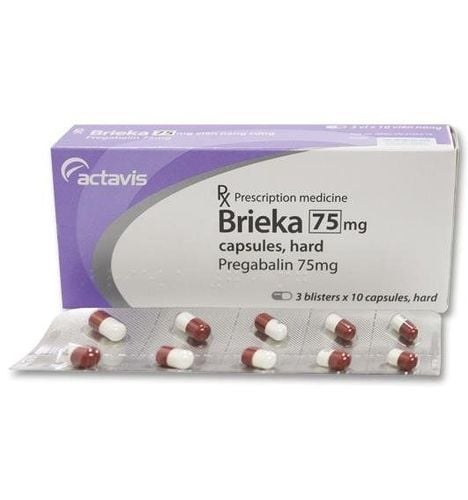
Neuropain is formulated as hard capsules, with the main active ingredient being Pregabalin. This medication is used to treat neuropathic pain and localized epilepsy.
1. What are the effects of Neuropain?
Neuropain 100mg contains Pregabalin 100mg and has the following effects:
- Treats neuropathic pain: post-herpetic neuralgia, diabetic peripheral neuropathy.
- Provides adjunctive treatment for localized epilepsy, with or without general treatment, in patients over 12 years old.
- Treats fibromyalgia-related muscle pain.
- Treats generalized anxiety disorder.
Neuropain is contraindicated for individuals sensitive to Gabapentin or other ingredients in the medication.
2. Dosage of Neuropain
Dosage: 150 - 600mg/day, divided into 2 - 3 doses. Specifically:
- Neuropathic Pain: Start with a dose of 150mg/day, divided into 2 - 3 doses. After 3 - 7 days, the dose can be increased to 300mg/day based on the patient's tolerance and response. If needed, the dose can be increased to a maximum of 600mg after an additional 7 days.
- Epilepsy: Start with a dose of 150mg/day, divided into 2 - 3 doses. After 1 week, the dose can be increased to 300mg/day based on the patient's tolerance and response. If needed, the dose can be increased to a maximum of 600mg after another week.
- Generalized Anxiety Disorder: Start with a dose of 150mg/day. After 1 week, the dose can be increased to 300mg/day based on the patient's tolerance and response. If needed, the dose can be increased to 450mg/day, with a maximum of 600mg/day after each subsequent week.
Missed Dose: If a dose of Neuropain is missed, the patient should take it as soon as they remember. If it is close to the time for the next dose, the missed dose should be skipped, and only the next scheduled dose should be taken.
Overdose: If an overdose of Neuropain occurs, the patient should immediately inform their doctor. If any unusual symptoms appear, the patient should be taken to the hospital for timely treatment.
3. Side Effects of Neuropain
Some side effects that patients may experience when using Neuropain include:
- Neurological: Nystagmus, fatigue, loss of coordination, dizziness, memory impairment, edema, drowsiness. Children aged 3 - 12 years may experience neurological issues such as anxiety, irritability, oppositional behavior, agitation, euphoria, or depression…
- Digestive: Dry mouth, indigestion, abdominal pain, constipation, diarrhea.
- Cardiovascular: Peripheral edema.
- Respiratory: Cough, pneumonia, rhinitis, pharyngitis.
- Ocular: Vision impairment, diplopia.
- Musculoskeletal: Joint pain, muscle pain.
- Dermatological: Skin rash, itching.
- Hematological: Leukopenia.
- Other side effects: Viral infection, impotence, increased appetite, insomnia, disorientation, ataxia, tremor, dysarthria, paresthesia, sedation, confusion, headache, vestibular disorder, nausea, feeling of inebriation, weight gain, withdrawal syndrome.
If any side effects occur while taking Neuropain, patients should promptly inform their doctor for appropriate advice and management.
4. Precautions When Using Neuropain
Some precautions patients should remember before and during the use of Neuropain include:
- Use caution when taking Neuropain if you have a history of mental disorders, renal dysfunction, and dialysis, diabetes, cardiovascular diseases, are elderly, or operate machinery or drive.
- Neuropain may cause false positives in urine protein tests for patients using Gabapentin.
- Side effects of Neuropain are usually mild or moderate, tending to diminish within 2 weeks after continuing treatment. Loss of coordination is dose-related. If reducing the dose doesn't help, discontinue use.
- If Stevens-Johnson syndrome is suspected, stop using the medication immediately. Do not abruptly discontinue Neuropain, as it may increase the frequency of seizures. Gradually reduce the dose over at least 7 days before stopping or switching to another antiepileptic medication.
- Stop using Neuropain immediately if symptoms of angioedema occur.
- Monitor for signs, intentions, and behaviors related to suicide or drug abuse.
- The safety and efficacy of Neuropain in children under 17 have not been evaluated.
- Consult a doctor before using Neuropain in pregnant or breastfeeding women.
5. Drug Interactions with Neuropain
Some drug interactions involving Neuropain include:
- When used concurrently, Gabapentin does not alter the pharmacokinetics of other antiepileptic drugs such as valproic acid, carbamazepine, phenytoin, phenobarbital, diazepam.
- Antacids reduce the bioavailability of Gabapentin by about 20% due to its effect on absorption. Gabapentin should be taken at least 2 hours after antacids.
- Pregabalin can enhance the effects of ethanol and lorazepam.
- Pregabalin exacerbates cognitive and motor function impairments caused by oxycodone.
When using Neuropain, patients should strictly follow the doctor's instructions. If any side effects occur, patients should immediately report them to their doctor for appropriate advice. Patients should not arbitrarily increase or decrease the dosage to avoid the risk of serious adverse effects on health.
To arrange an appointment, please call HOTLINE or make your reservation directly HERE. You may also download the MyVinmec app to schedule appointments faster and manage your reservations more conveniently.