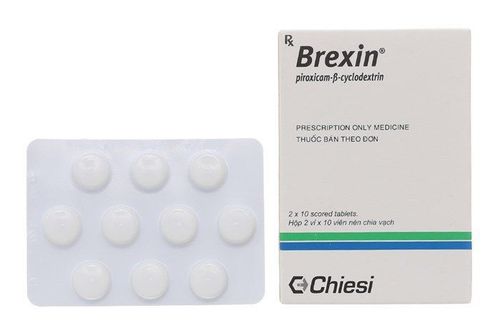
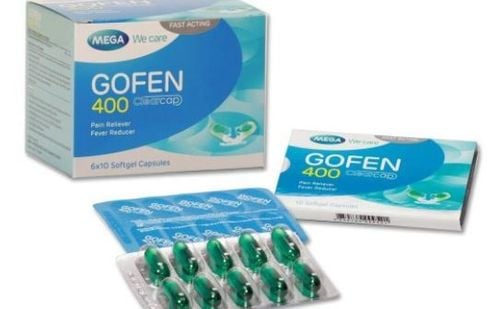
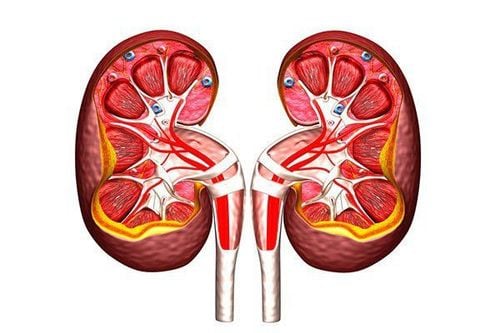
Rheumac's main active ingredient is Celecoxib, a nonsteroidal anti-inflammatory drug (NSAID) that selectively inhibits COX-2. This medication is effective in reducing the signs and symptoms of chronic osteoarthritis, managing acute pain in adults, including dental pain, and treating primary dysmenorrhea…
1. What is Rheumac?
Rheumac contains the active ingredient Celecoxib, a nonsteroidal anti-inflammatory drug (NSAID) that selectively inhibits the enzyme COX-2, which responds to inflammatory stimuli. Thus, the medication works by inhibiting the synthesis of Prostaglandin E2, a primary cause of inflammation, pain, swelling, and edema. Since Rheumac does not affect COX-1, the physiological processes associated with this enzyme in the gastric, intestinal mucosa, and platelets remain unaffected, thereby reducing the occurrence of adverse effects commonly associated with non-selective COX-1 inhibitors.
Rheumac is formulated as capsules, with each capsule containing 100mg of Celecoxib.
2. Indications for Rheumac
Rheumac is indicated in the following cases:
• Treatment of symptomatic osteoarthritis in adults.
• Treatment of symptomatic rheumatoid arthritis in adults.
• Adjunctive therapy to reduce the number of adenomatous colorectal polyps in patients with familial adenomatous polyposis as part of usual care.
• Management of acute pain (postoperative pain, dental pain, etc.).
• Treatment of primary dysmenorrhea symptoms.
Rheumac is contraindicated in the following cases:
• Patients with a history of allergy or hypersensitivity to celecoxib or any component of the medication.
• Patients with a history of allergy to sulfonamides.
• Patients with active peptic ulcer disease or gastrointestinal bleeding.
• Patients with ischemic heart disease or peripheral vascular disease.
• Patients with NYHA Class II-IV congestive heart failure.
• Severe renal impairment (creatinine clearance < 30ml/min).
• Severe hepatic impairment.
• Patients with Crohn's disease or ulcerative colitis.
• Patients with a history of asthma, urticaria, or other allergic-type reactions after taking aspirin or other nonsteroidal anti-inflammatory drugs.
• Not to be used for pain relief during coronary artery bypass graft surgery.
3. Dosage and Administration of Rheumac
3.1. How to Use Rheumac
Rheumac is available in capsule form, with each capsule containing 100mg of Celecoxib, intended for oral administration. Before using the medication, patients should carefully read the information provided in the package insert. The capsules should be swallowed whole with water.
It is recommended to take Rheumac after meals to avoid gastric irritation. In cases where the patient is prescribed a high dose of Rheumac (800mg/day in divided doses), the medication should be taken with food to enhance absorption.
3.2. Dosage of Rheumac
Adults:
• Osteoarthritis: 200mg/day, taken once daily or divided into two equal doses, taken after meals.
• Rheumatoid arthritis: 200 - 400mg/day, divided into two doses, taken after meals.
• Ankylosing spondylitis: 200mg/day, taken once daily or divided into two doses, taken after meals. If there is no improvement in symptoms after 6 weeks, the dose may be increased to 400mg/day. If there is no response after 6 weeks of taking 400mg/day, an alternative medication should be considered.
• Familial adenomatous polyposis: 800mg/day, divided into two doses.
• Acute pain (postoperative, dental): 400mg as a single dose, followed by an additional 200mg if needed for severe pain on the first day. For subsequent days, the dose for pain relief can be 400mg/day, divided into two doses, taken after meals.
• Primary dysmenorrhea: 400mg as a single dose, followed by an additional 200mg if needed for severe pain on the first day. For subsequent days, the dose for pain relief can be 400mg/day, divided into two doses, taken after meals.
Children:
Juvenile rheumatoid arthritis:
• Children aged 2 years and above, weighing 10-25kg: 50mg twice daily.
• Children aged 2 years and above, weighing over 25kg: 100mg twice daily.
Other Populations:
• Elderly (> 65 years): No dose adjustment is necessary. However, for elderly patients with a body weight below 50kg, it is recommended to start with the lowest advised dose of Rheumac.
• Renal impairment: Rheumac should not be used in patients with creatinine clearance < 30ml/min.
• Hepatic impairment: For moderate hepatic impairment, the dose should be reduced by approximately 50% of the usual dose. Rheumac should not be used in patients with severe hepatic impairment.
4. Adverse Effects of Rheumac
When using Rheumac, patients may experience several unwanted side effects, including:
Common side effects include:
• General and skin: Rash, peripheral edema.
• Gastrointestinal system: Abdominal pain, nausea, bloating, indigestion, diarrhea.
• Respiratory system: Pharyngitis, rhinitis, sinusitis, upper respiratory tract infections, flu-like symptoms.
• Nervous system: Dizziness, headache, fatigue, insomnia.
Rare side effects include:
• General and skin: Erythema multiforme, exfoliative dermatitis, Stevens-Johnson syndrome, anaphylactic-like reactions, angioedema.
• Cardiovascular system: Congestive heart failure, ventricular fibrillation, pulmonary embolism, cerebrovascular occlusion, peripheral gangrene, thrombotic vasculitis, vasculitis.
• Gastrointestinal system: Intestinal obstruction, intestinal perforation, gastrointestinal bleeding, hemorrhagic colitis, esophageal perforation, pancreatitis, intestinal obstruction.
• Hematologic system: Aplastic anemia, pancytopenia, leukopenia, agranulocytosis, thrombocytopenia.
• Nervous system - psychiatric: Ataxia, suicidal ideation.
• Renal-urinary system: Acute renal failure, interstitial nephritis.
5. Precautions When Using Rheumac
Patients using Rheumac should note the following precautions:
• Caution when using the medication in patients with a history of peptic ulcer disease or gastrointestinal bleeding.
• Caution when using Rheumac in patients with a history of asthma or allergy when using aspirin or other nonsteroidal anti-inflammatory drugs, as it may trigger acute asthma attacks or cause anaphylactic shock.
• Long-term NSAID treatment can cause direct kidney damage, including papillary necrosis, and increased risk of nephrotoxicity in patients with underlying renal, hepatic, or heart conditions, elderly patients, and those on diuretics, ACE inhibitors.
• Caution when using Rheumac in patients with edema or water retention (such as heart or kidney failure) due to its side effect of fluid retention and peripheral edema, which can exacerbate the condition.
• Patients with extracellular dehydration (due to strong diuretic use) should correct dehydration before using Rheumac.
• There is no evidence that Rheumac reduces the risk of colorectal cancer related to familial adenomatous polyposis, so patients should be monitored regularly and may need periodic consultations for endoscopy and prophylactic colectomy. Cardiovascular risk (myocardial infarction, ischemic heart disease) should also be monitored in patients using Rheumac.
• Rheumac does not have antiplatelet activity and thus does not protect against cardiovascular events related to myocardial ischemia, especially when used at high doses for prolonged periods (400 - 800 mg/day).
• Pregnancy: There are no adequate studies on Rheumac use in pregnant women. Animal studies with doses of 150mg/kg/day in pregnant rabbits have shown an increased incidence of fetal rib abnormalities and ventricular septal defects. Therefore, Rheumac should only be used in pregnancy if the benefits outweigh the potential risks to the fetus. It should not be used in the last trimester as prostaglandin synthesis inhibitors can adversely affect fetal cardiovascular function.
• Breastfeeding: Rheumac is excreted in the milk of lactating rats at concentrations similar to plasma levels. However, there is no evidence that Rheumac is excreted in human breast milk. Due to potential serious adverse effects on nursing infants, mothers should consider the benefits and risks of treatment or discontinue breastfeeding while on Rheumac.
• Driving and operating machinery: Patients experiencing dizziness, vertigo, or drowsiness while using Rheumac should avoid driving or operating machinery.
6. Overdose and Missed Dose of Rheumac
6.1. Overdose of Rheumac and Management
• An overdose of nonsteroidal anti-inflammatory drugs (NSAIDs) can cause symptoms such as drowsiness, nausea, vomiting, and epigastric pain, and may also result in gastrointestinal bleeding.
• In rare cases, an overdose of Rheumac can lead to hypertension, acute renal failure, respiratory depression, and coma. Anaphylactoid reactions (rash, itching, hypotension, shock) can also occur with therapeutic doses of NSAIDs and may be exacerbated by overdose.
• Management of Rheumac overdose includes symptomatic and supportive treatment. There is currently no specific antidote for Rheumac. Within the first 4 hours of an overdose, induced emesis and/or administration of activated charcoal (60 - 100g for adults or 1 - 2g/kg for children), and/or the use of an osmotic cathartic can be effective in patients presenting with clinical symptoms.
6.2. Missed Dose of Rheumac and Management
If a patient forgets to take a dose of Rheumac, it should be taken as soon as possible upon remembering. However, if it is close to the time for the next dose, the missed dose should be skipped, and the next dose taken at the scheduled time. Do not double the dose to make up for the missed dose.
Rheumac belongs to the class of drugs known as nonsteroidal anti-inflammatory drugs (NSAIDs), used for pain relief, fever reduction, and inflammation control. The medication is indicated for the treatment of chronic osteoarthritis, management of acute pain in adults, including dental pain, and the treatment of primary dysmenorrhea. However, to ensure effective treatment and avoid potential side effects, patients should use Rheumac as prescribed by a healthcare professional.
To arrange an appointment, please call HOTLINE or make your reservation directly HERE. You may also download the MyVinmec app to schedule appointments faster and manage your reservations more conveniently.