
1. The Importance of Nutrition for Lupus Erythematosus Patients
No food causes lupus, and there is no food that can cure this disease. However, a proper diet is an important part of the overall treatment plan for lupus erythematosus.
Patients with lupus should aim for a balanced diet, which includes plenty of fruits, vegetables, and whole grains, along with moderate amounts of meat, poultry, and fish. Following a varied and healthy diet can significantly aid the treatment process, specifically in the following ways:
- Reducing inflammation and other symptoms
- Maintaining strong bones and muscles
- Combating the side effects of medications
- Achieving or maintaining a healthy weight
- Reducing the risk of heart disease

2. What Foods Should Lupus Erythematosus Patients Avoid?
Lupus erythematosus is a disease characterized by inflammation in various parts of the body. Therefore, anti-inflammatory foods can help alleviate lupus symptoms, although this has not been scientifically proven. On the other hand, inflammatory foods may worsen the symptoms of the disease.
Foods containing saturated fats can raise cholesterol levels and may contribute to inflammation. Therefore, lupus erythematosus patients should avoid the following foods that contain saturated fats:
- Fried foods, commercially grilled foods
- Cream-based soups and sauces
- Red meat
- Animal fats
- Processed meat products
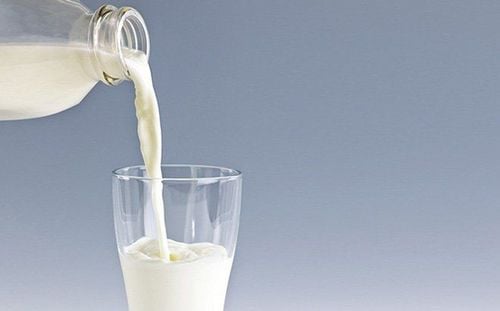
- Fatty dairy products, including whole milk, cheese, butter, and cream
One food that lupus patients need to avoid is alfalfa sprouts. Alfalfa sprouts may cause muscle pain, fatigue, and abnormalities in blood and kidney function. These issues may be due to a reaction to an amino acid found in alfalfa sprouts and seeds. This amino acid can trigger the immune system and worsen inflammation in individuals with severe lupus. Garlic may also stimulate the immune system, which could worsen lupus.
People with lupus erythematosus are at a higher risk of heart disease compared to the general population. Therefore, a heart-healthy diet is an essential part of managing lupus.
Lupus patients need to avoid foods that increase the risk of heart disease, especially if they have high blood pressure or high cholesterol. Foods to avoid include:
- Foods high in fats
- Foods high in sodium
Additionally, lupus erythematosus can be associated with weight loss or weight gain. Therefore, a healthy diet that helps maintain an appropriate weight is important.
Weight loss and poor appetite are common in individuals who have recently been diagnosed with lupus erythematosus. This may result from the disease itself or from medications that cause stomach or mouth issues. Weight gain can occur due to reduced physical activity or as a side effect of corticosteroids used to manage lupus. In either case, lupus patients should consult with their doctor or a nutritionist for a dietary plan to help control their weight.

In addition to a healthy diet and avoiding foods that hinder disease treatment, lupus patients should combine exercise with their treatment plan to improve overall health and boost their mood and optimism.
Vinmec International General Hospital, with its modern infrastructure, medical equipment, and a team of experienced experts and doctors, provides a reliable and comfortable environment for consultation and treatment.
To arrange an appointment, please call HOTLINE or make your reservation directly HERE. You may also download the MyVinmec app to schedule appointments faster and manage your reservations more conveniently.


