Cephalexin is a prescription antibiotic that kills bacteria by inhibiting bacterial cell wall synthesis. This active ingredient has been proven effective against Staphylococcus aureus, including penicillinase-producing strains resistant to Penicillin or Amoxicillin, as well as certain strains of Escherichia coli, Proteus mirabilis, Shigella, Klebsiella spp., and others.
1. What is Cephalexin?
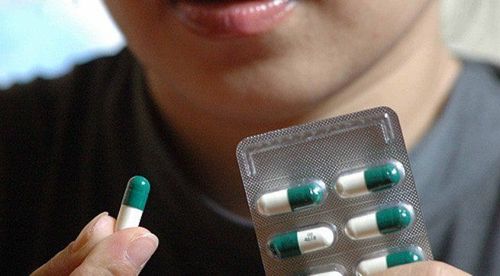
Cephalexin (also written as Cefalexin) is an oral first-generation cephalosporin antibiotic. It is available in capsule or powder form for oral suspension with doses of 125mg, 250mg, 500mg, and 700mg.
So, what is Cephalexin used to treat? It is indicated for bacterial infections caused by susceptible organisms, including:
- Respiratory tract infections: Bronchiectasis with bacterial infection, acute and chronic bronchitis.
- Ear, nose, and throat infections: Otitis media, sinusitis, pharyngitis, mastoiditis.
- Skin and soft tissue infections.
- Bone and joint infections.
- Urinary tract infections: Acute prostatitis, cystitis, and prevention of recurrent urinary tract infections.
- Dental infections: Used as an alternative to Penicillin for dental infection prevention in patients with heart conditions.
- Obstetric and gynecological infections;
- Gonorrhea (in cases where Penicillin is not appropriate).

2. How to use Cephalexin
2.1. Dosage for adults
- The usual daily dose for adults is 1–4g, divided into 3–4 doses. Most bacterial infections respond to a 500mg dose every 8 hours.
- For streptococcal pharyngitis, skin and soft tissue infections, and mild uncomplicated urinary tract infections, the typical dose is 250mg every 6 hours or 500mg every 12 hours.
- If the infection is severe or caused by less susceptible bacteria, higher doses may be required. If the dose exceeds 4g/day, a parenteral cephalosporin should be considered.
- For gonorrhea, Cephalexin may be used as a single dose, combined with Probenecid, under a doctor’s guidance.
- Dosage should be adjusted for elderly patients and those with renal impairment.
2.2. Dosage for children
The usual daily dose for children is 25–50mg/kg, divided into multiple doses. Standard recommendations include:
- Children under 5 years: 125mg every 8 hours.
- Children over 5 years: 250mg every 8 hours.
For severe infections, the dose may be doubled. For otitis media, the dose may reach 75–100mg/kg/day, divided into four doses. For streptococcal infections, treatment should continue for at least 10 days.
2.3. How to take Cephalexin
- Cephalexin is taken orally, available in capsule or suspension form.
- The full course of treatment should last 7–10 days, even if symptoms improve earlier.
- If you have any concerns or questions, consult your doctor or pharmacist.
3. Side effects of cefalexin
Common side effects: Mild nausea, stomach pain, diarrhea, vomiting, indigestion.
Less common side effects:
- Skin reactions: rash, urticaria (hives), itching;
- Blood disorders: eosinophilia, transient liver enzyme elevation;
- Neurological effects: headache, fatigue, dizziness, anxiety, confusion, hallucinations.
Rare side effects:
- Severe allergic reactions: Anaphylaxis, Stevens-Johnson syndrome, toxic epidermal necrolysis (Lyell’s syndrome);
- Liver issues: Hepatitis, cholestatic jaundice;
- Blood disorders: Thrombocytopenia, neutropenia;
- Gastrointestinal issues: Pseudomembranous colitis, severe diarrhea;
- Genitourinary effects: Vaginitis, genital itching;
- Kidney problems: Reversible interstitial nephritis.
Overdose symptoms:
- Diarrhea, upper abdominal pain, hematuria (blood in urine), nausea, vomiting.
- If you develop difficulty breathing, facial swelling, severe rash, or other signs of an allergic reaction, seek emergency medical care immediately.
4. Precautions before using Cephalexin
Do not use Cephalexin in individuals with a known hypersensitivity to any of its components. Other populations that should exercise caution when using Cephalexin include:
- Patients experiencing severe diarrhea during or after antibiotic use;
- Patients with renal impairment;
- Individuals with a history of allergies to Cephalosporins, Penicillins, or other antibiotics;
- Pregnant or breastfeeding women.
- Cephalexin may also cause false-positive results in urine glucose tests.
5. Drug interactions
Cephalexin may interact with the following medications:
- Potent diuretics (Ethacrynic acid, Furosemide, Piretanide);
- Aminoglycoside antibiotics;
- Typhoid vaccine;
- Oral contraceptives;
- Cholestyramine;
- Probenecid.
This article has provided essential information on Cephalexin, its uses, and administration guidelines. While this antibiotic is effective in treating bacterial infections, its use may also impact your overall health. Therefore, it is highly recommended that you consult your doctor for personalized medical advice and guidance.
To arrange an appointment, please call HOTLINE or make your reservation directly HERE. You may also download the MyVinmec app to schedule appointments faster and manage your reservations more conveniently.