Lomac 20 contains the active ingredient Omeprazole 20mg, indicated for the prevention and treatment of peptic ulcers, in combination with antibiotics in the H. pylori treatment regimen, etc. Let’s learn about the uses and precautions of Lomac 20 in the following article.
1. Uses of Lomac 20
"What is the effect of Lomac 20?" Lomac 20 contains the active ingredient Omeprazole, a benzimidazole derivative. Lomac is indicated in the following cases:
Adults:
- Peptic ulcer disease;
- Prevention of recurrent peptic ulcers;
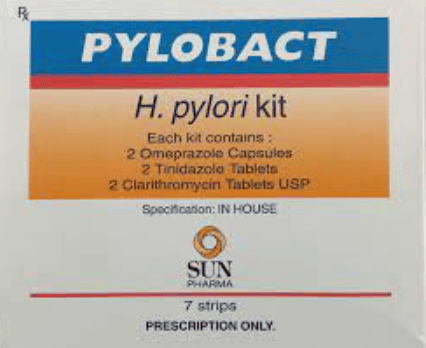
- In combination with antibiotics in the treatment regimen for peptic ulcers caused by Helicobacter pylori (HP);
- Peptic ulcers caused by nonsteroidal anti-inflammatory drugs (NSAIDs);
- Prevention of peptic ulcers due to NSAID use;
- Gastroesophageal reflux disease (GERD);
- Prevention of recurrent reflux esophagitis in patients who have been treated;
- Zollinger-Ellison syndrome.
Children:
- Treatment of gastroesophageal reflux disease (GERD);
- Treatment of acid reflux symptoms and heartburn in GERD;
- Adolescents and children over 4 years old: In combination with antibiotics for the treatment of peptic ulcers caused by H. pylori.
2. Dosage of Lomac 20
"Should Lomac 20 be taken before or after meals, and what is the appropriate dosage?" Lomac 20 is a prescription drug and should be taken as directed by a doctor. The dosage depends on age and the patient’s condition. Therefore, the dosage will vary based on the user. Patients should note that the dosages listed below are for reference only and should not be self-administered but must strictly follow the doctor's instructions. The recommended dosage for Lomac 20mg is as follows:
- Treatment of duodenal ulcer: 20mg once daily. Most duodenal ulcers heal within 2 weeks of treatment. In cases where the ulcer does not heal completely after the first course, the doctor may consider extending treatment for another 2 weeks. For patients with poor response, the recommended dose is 40mg once daily.
- Prevention of recurrent duodenal ulcers: The preventive dose for patients negative for H. pylori or those who failed eradication therapy is 20mg once daily. Some cases may only require a 10mg dose for effectiveness.
- Treatment of gastric ulcer: The recommended dose is 20mg once daily. Most patients heal after 4 weeks of treatment. If healing does not occur, an additional 4-week course may be prescribed. Patients with poor response may require 40mg once daily, with healing typically occurring after 8 weeks.
- H. pylori eradication in peptic ulcer patients: Used in combination with appropriate antibiotics depending on the patient. The Omeprazole dose is 20mg twice daily or 40mg once daily.
- Treatment of NSAID-related peptic ulcers: The recommended dose of Omeprazole is 20mg once daily.
- Prevention of NSAID-related peptic ulcers in high-risk patients (elderly, history of peptic ulcers, upper gastrointestinal bleeding): The recommended dose is 20mg once daily.
- Treatment of reflux esophagitis: The recommended dose of Lomac 20 is 20mg once daily.
- Long-term management in patients with healed reflux esophagitis: The recommended dose is 10mg once daily.
- Treatment of symptomatic gastroesophageal reflux disease (GERD): The recommended dose is 20mg once daily.
- Treatment of Zollinger-Ellison syndrome: The dosage and treatment duration depend on the patient’s condition and clinical status. The recommended starting dose is 60mg once daily. Severe cases and patients unresponsive to other treatments have been effectively managed with Omeprazole, with over 90% of patients maintaining a daily dose of 20–120mg.
Lomac 20 should be taken 30 minutes before breakfast, swallowed whole with water, and should not be chewed or crushed before taking.
3. Side effects of Lomac 20
Lomac 20 may cause the following side effects:
- Common: Drowsiness, headache, dizziness, nausea, diarrhea, vomiting, abdominal pain, constipation, bloating.
- Uncommon: Sensory disturbances, insomnia, fatigue, rash, itching, urticaria, transient increase in transaminase levels.
- Rare: Peripheral edema, sweating, hypersensitivity reactions including angioedema, anaphylactic shock, thrombocytopenia, leukopenia, agranulocytosis, pancytopenia, autoimmune hemolytic anemia, agitation, depression, reversible confusion, hearing disorders, gynecomastia, Candida infection, gastritis, dry mouth, bronchospasm, etc.
4. Precautions when using Lomac 20
4.1. Contraindications
Lomac 20 is contraindicated in patients allergic to any of its components.
4.2. Warnings and precautions
- Before using Lomac 20 in patients with gastric ulcers, malignancy should be ruled out, as the drug may mask symptoms and delay diagnosis.
- The drug may interfere with neuroendocrine tumor diagnosis by increasing chromogranin-A levels. Patients should discontinue Lomac 20 for at least 5 days before measuring CgA levels.
- Long-term Omeprazole and proton pump inhibitor (PPI) use require regular monitoring due to an increased risk of gastrointestinal infections like Campylobacter and Salmonella due to altered gastric pH.
- The drug reduces vitamin B12 absorption by lowering gastric acid secretion.
- No dose adjustment is needed in elderly or renal-impaired patients. In hepatic impairment, drug elimination is slower, so dose adjustments may be necessary.
- Hypomagnesemia risk: Severe hypomagnesemia has been reported with Omeprazole use. Symptoms include muscle spasms, fatigue, seizures, delirium, ventricular arrhythmias, and dizziness. The drug should be discontinued, and the patient should seek medical attention immediately if these symptoms occur.
- Effects on driving and machinery operation: Lomac 20 does not affect driving or machinery operation.
- Pregnant and breastfeeding women: Use only when absolutely necessary and under medical supervision.
5. Drug interactions
- Drugs with bioavailability dependent on gastric pH: Omeprazole inhibits gastric acid secretion, potentially affecting the absorption of drugs dependent on gastric pH, such as ampicillin, ketoconazole, and iron salts.
- Drugs metabolized by cytochrome P450 (CYP) enzymes: Omeprazole inhibits CYP2C19, which may interact with drugs metabolized by this enzyme, such as clopidogrel.
- Lomac increases plasma concentrations of drugs such as Diazepam, Cyclosporine, Phenytoin, and Warfarin.
- Lomac enhances the bactericidal effect against H. pylori.
- Lomac increases the anticoagulant effect of Dicoumarol.
- Co-administration of Omeprazole and Clarithromycin doubles Omeprazole plasma levels.
- Omeprazole with Voriconazole (a combined CYP3A4 and CYP2C19 inhibitor) can result in a twofold increase in Omeprazole exposure.
- Omeprazole with Atazanavir reduces Atazanavir plasma levels, decreasing its therapeutic effect.
- Omeprazole with Tacrolimus may increase Tacrolimus serum levels.
To arrange an appointment, please call HOTLINE or make your reservation directly HERE. You may also download the MyVinmec app to schedule appointments faster and manage your reservations more conveniently.