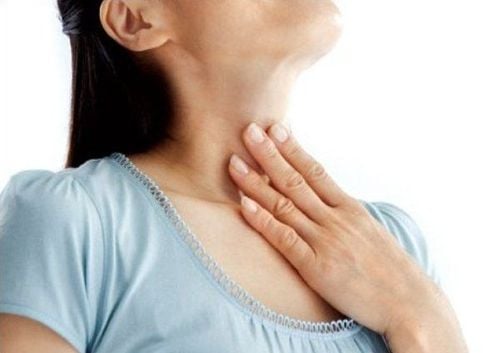
Paradoxical breathing can be caused by any underlying condition. This is a rare but severe sign that rapidly leads to respiratory failure and circulatory collapse, especially in cases following trauma. Therefore, healthcare professionals - and even laypeople - should be aware of paradoxical breathing to initiate supportive oxygen therapy if detected in time.
1. What is Paradoxical Breathing?
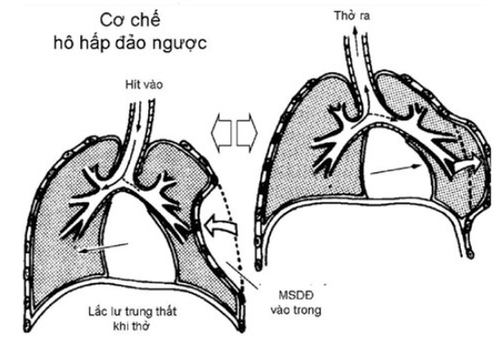
Paradoxical breathing generally refers to an abnormal breathing pattern that is the opposite of normal respiration. In normal, healthy breathing, the diaphragm moves downward during inhalation, causing the abdominal wall to expand outward from the spine. During exhalation, the diaphragm moves upward, and the abdominal wall contracts inward toward the spine. This is also known as diaphragmatic breathing or abdominal breathing, with minimal chest movement.
When paradoxical breathing occurs, the patient's breathing pattern is reversed compared to normal diaphragmatic breathing. As a result, it is not only an abnormal sign of respiratory distress, but in some cases, it can become acute and require emergency intervention. However, in rare cases, paradoxical breathing can be a chronic issue or may be triggered by stress, leading to panic attacks or prolonged episodes of breathlessness.
2. Signs of Paradoxical Breathing
Below is a list of common signs and symptoms indicating that a patient may be experiencing paradoxical breathing, which can also be associated with respiratory failure:
- Shortness of breath or the sensation of being unable to breathe
- Rapid breathing
- Involuntary gasping
- Sudden deep inhalations
- Increased heart rate (tachycardia)
- Neck and shoulder pain
- Chest pain or weakness
- Dizziness
3. Causes of Paradoxical Breathing
Several factors can contribute to paradoxical breathing, including:
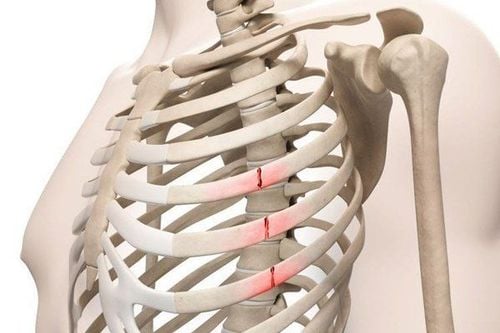
Acute chest trauma is one of the primary causes, leading to immediate intercostal muscle spasms. This can result in paradoxical respiratory movements. In such cases, emergency interventions must be taken to support respiratory function.
However, chronic conditions can also contribute to prolonged paradoxical breathing:
- Chronic stress: Persistent psychological stress from work or other pressures can lead to paradoxical breathing patterns, sometimes referred to as double breathing or even hyperventilation.
- Postural issues: Individuals who sit at a desk for long hours may experience muscle tightness and pain in the upper shoulders and neck. Over time, this can lead to excessive reliance on accessory respiratory muscles, weakening the diaphragm and causing it to function paradoxically. This creates a feedback loop where breathing becomes increasingly difficult, and muscle tension and pain worsen.
- Neurological damage: Certain neurological conditions, such as epilepsy or migraines, can trigger paradoxical responses that disrupt diaphragmatic movement, resulting in paradoxical breathing.
- Lung disorders: Patients with lung-related conditions, such as lung cancer, chronic obstructive pulmonary disease (COPD), and asthma, often exhibit abnormal chest wall movement during respiration.
4. Treatment Methods for Paradoxical Breathing
If a patient exhibits signs of paradoxical breathing along with acute episodes of breathlessness due to chest trauma or other physical impairments that hinder oxygen intake, emergency medical intervention is required.
In cases where paradoxical breathing is triggered by panic attacks or hyperventilation, the following immediate actions may help the patient calm down and restore normal breathing patterns:
- Bend forward and place hands on the knees.
- Breathe through pursed lips.
- Hold the breath and make a conscious effort to slow the breathing rate.
- Avoid speaking.
- Focus on a fixed visual point about one meter ahead.
- Once breathing stabilizes, practice diaphragmatic breathing (inhaling to expand the abdomen outward and exhaling to contract it inward).
5. How to Prevent Paradoxical Breathing
5.1 Practicing Proper Deep Breathing
Find a quiet place without distractions and maintain a comfortable posture. Gently close your eyes and exhale completely. Then, slowly inhale through the nose while ensuring that:
- The abdominal wall expands outward.
- The chest and shoulders remain still.
- After taking a deep breath, exhale slowly through the mouth while ensuring that:
- The abdominal wall contracts inward toward the spine.
- The chest and shoulders remain still.
5.2 Practicing Rhythmic Breathing
Rhythmic breathing is a simple exercise that helps calm the nervous system, reduce stress, and induce relaxation. It should be practiced whenever feeling overwhelmed or experiencing difficulty breathing.
Here’s how to perform it:
- Use the proper breathing technique mentioned above. Start by taking a slow deep breath while counting from one to four.
- Hold the breath in the lungs while counting from one to four.
- Slowly exhale and hold the breath again for the same duration.
- Repeat this four-step process for about one to two minutes.
Summary
Paradoxical breathing occurs when the diaphragm moves upward during inhalation and downward during exhalation, contrary to normal breathing mechanics. This abnormal breathing pattern can cause breathlessness, poor oxygen intake, muscle weakness, sleep disturbances, and both short-term and long-term complications. In acute cases, paradoxical breathing can be a life-threatening symptom in individuals with diaphragmatic paralysis or severe trauma. Therefore, seeking timely medical evaluation and treatment is crucial, and in some instances, emergency intervention may be necessary to prevent severe consequences.
Please dial HOTLINE for more information or register for an appointment HERE. Download MyVinmec app to make appointments faster and to manage your bookings easily.
To arrange an appointment, please call HOTLINE or make your reservation directly HERE. You may also download the MyVinmec app to schedule appointments faster and manage your reservations more conveniently.