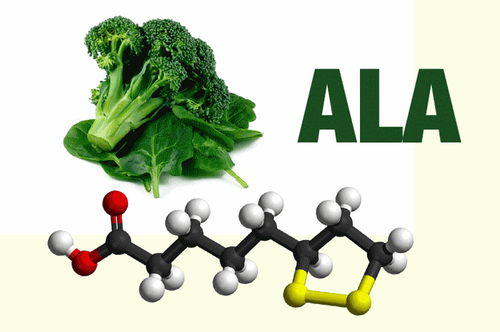
Vitamin F is made up of two fats - alpha-linolenic acid (ALA) and linoleic acid (LA). These are two fats that are essential for the body and good for brain and heart health. ALA is a member of the omega-3 fat family, while LA is a member of the omega-6 family. Vitamin F is found in vegetable oils and nuts.
1. What is Vitamin F?
Vitamin F is not a vitamin in the traditional sense. It was discovered in the 1920s when scientists discovered that a fat-free diet had adverse effects on mice. Scientists initially suspected that the mice were deficient in a new vitamin and named it vitamin F - later finding that the two components were ALA and LA.
The two fats in vitamin F - ALA and LA - are essential fatty acids, meaning they are needed for good health. The body cannot produce these fats on its own, so you must get them from your diet.
2. What are the uses of vitamin F?
ALA and LA play the following important roles in the body:
- Providing energy: 1 gram of ALA and LA provides 9 calories of energy.
- Creating cell structure: ALA, LA and other fats contribute to the structure of cells and are involved in the main component of the outer layer of cells.
- Promoting growth: ALA plays an important role in growth, vision and brain development.
- Converting to other fats: Your body can convert ALA and LA into other fats that are essential for health.
- Helping to create signaling compounds: ALA and LA are used to create signaling compounds that help regulate blood pressure, blood clotting, immune response and other key body functions.
Vitamin F deficiency is rare. However, a deficiency of ALA and LA can lead to various symptoms, such as dry skin, hair loss, slow wound healing, poor growth in children, skin ulcers and scaly skin, and brain and vision problems.
3. Health benefits
According to research, the fats that make up vitamin F - ALA and LA - may provide some unique health benefits.
3.1. Health Benefits of Alpha-Linolenic Acid
ALA is the primary fat in the omega-3 family, a group of fats that has been shown to have many health benefits. In the body, ALA is converted into other beneficial omega-3 fatty acids, including eicosapentaenoic acid (EPA) and docosahexaenoic acid (DHA). The trio of ALA, EPA, and DHA offers a wide range of potential health benefits:
- Reduced inflammation: Increasing omega-3 fats like ALA may help reduce inflammation in the joints, digestive tract, lungs, and brain.
- Improved heart health: Increasing ALA in the diet may help reduce the risk of heart disease. A recent study found that every 1 gram of ALA consumed per day reduced the risk of heart disease by 10%.
- Promotes growth and development: Pregnant women need 1.4 grams of ALA per day to support fetal growth and development.
- Supports mental health: Regular omega-3 fat supplementation may help improve symptoms of depression and anxiety.
3.2. Health benefits of linoleic acid
Linoleic acid (LA) is the main fat in the omega-6 family. Like ALA, LA is converted into other fats in the body.
LA has many potential health benefits when consumed in moderation, especially when used in place of less healthy saturated fats.
- Is a heart-healthy fat: LA helps reduce the risk of heart disease. In a study of 300,000 adults, replacing saturated fat with LA reduced the risk of death from heart disease by 21%.
- Reduces the risk of type 2 diabetes: A study of more than 200,000 people found that LA reduced the risk of type 2 diabetes by 14% when taken daily in place of saturated fat.
- May improve blood sugar control: Some studies suggest that LA may aid in blood sugar control when consumed in place of saturated fat.

4. Recommended dosage
To maximize the benefits of vitamin F, the key is to maintain a balanced ratio of LA to ALA in your daily diet. While the ideal number has not been determined, some organizations recommend keeping the ratio at 4:1 or lower.
This balance is important because of their opposing effects on the body. While LA and other omega-6 fats tend to promote inflammation, ALA and other omega-3 fats help inhibit it.
Some experts estimate that the ratio of omega-6 to omega-3 fats in the Western diet may be as high as 20:1. This results in increased inflammation and an increased risk of heart disease
5. Foods rich in vitamin F
Supplementing vitamin F is unnecessary if you eat a variety of foods containing ALA and LA.
While most foods typically contain both types of fat, many have a higher proportion of one fat than the other.
Foods high in LA:
- Soybean oil: provides 7 grams of LA per 15 ml tablespoon
- Olive oil: provides 10 grams of LA per 15 ml tablespoon
- Corn oil: provides 7 grams of LA per 15 ml tablespoon
- Sunflower seeds: provides 11 grams of LA per 28 gram serving
- Almonds: provides 3.5 grams of LA per 28 gram serving
Foods high in ALA:
Many foods high in LA also contain ALA, although in lower amounts. However, particularly high levels of ALA can be found in:
- Flaxseed oil: provides 7 grams of ALA per 15 ml tablespoon
- Flaxseeds: provide 6.5 grams of ALA per 28 gram serving
- Chia seeds: provide 5 grams of ALA per 28 gram serving
- Walnuts: provide 2.5 grams of ALA per 28 gram serving
- Animal products, such as fish, eggs, meat, and dairy products from grass-fed animals, also provide significant amounts of ALA and LA

Reference: healthline.com
To arrange an appointment, please call HOTLINE or make your reservation directly HERE. You may also download the MyVinmec app to schedule appointments faster and manage your reservations more conveniently.