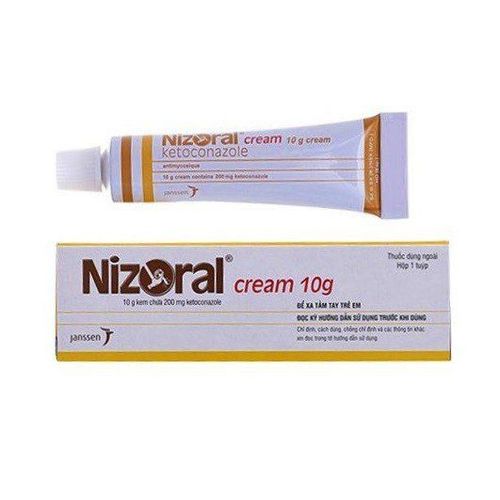
To achieve plump and alluring lips, lip tattooing or blushing has been a popular procedure for female clients. However, not everyone attains the desired results after the procedure. Some individuals experience complications such as blistering or swelling of the lips post-tattooing. So, what medication should be taken in case of blistering after a lip tattoo?
1. What is Lip Blushing?
Lip tattooing is a cosmetic procedure where a tattooing device implants pigment into the subepidermal layer of the lips. It can be performed using a machine or a manual pen. The lips typically appear more defined within three days post-procedure, with the superficial pigment layer peeling off in about seven days, revealing a more natural color.
2. Potential Complications of Lip Tattooing
Complications such as swelling, inflammation, asymmetry, or blistering can arise, often due to inadequate expertise or non-compliance with hygiene and safety standards by the tattoo technicians or aestheticians.
One common complication is localized infection at the tattoo site, presenting with symptoms such as swelling, redness, pus formation, bleeding, pustules, or permanent scarring.
The use of low-quality or unverified tattoo pigments is another complication risk. These pigments can trigger allergic contact dermatitis (ACD), particularly in individuals with sensitive skin. Additionally, if proper aseptic techniques are not followed—such as changing needles between clients—there is a risk of transmitting infectious diseases, including HIV, hepatitis B, and hepatitis C. As such, lip blushing should be done at an accredited facility with adequate infrastructure and infection control protocols.
Adverse reactions to anesthetic agents are also possible. Extended numbing times or excessive use of anesthetics can lead to systemic allergic reactions or even anaphylaxis.
In some cases, erythema multiforme may develop after a few days, characterized by widespread red patches on the forearms, hands, and trunk, along with itching and vesicle formation on the lips. This reaction is often associated with Herpes Simplex Virus (HSV) infection, particularly when procedures are performed in unregulated environments.
Herpetic lip lesions often occur within 10–14 days prior to symptoms of systemic erythema multiforme. Recurrent erythema multiforme is typically associated with HSV-1 infections, with multiple episodes occurring yearly and persisting for several years. While most cases resolve within 3–6 weeks, severe cases of erythema multiforme can impact overall health. Management primarily involves supportive care and monitoring the disease progression.
3. Medications to Alleviate Blisters After Lip Blushing
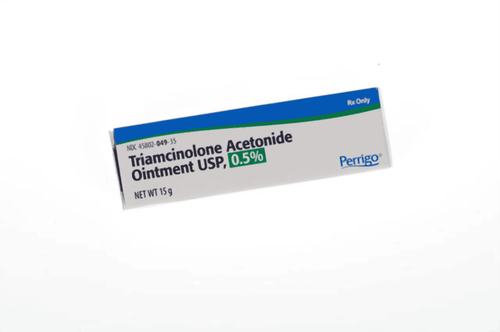
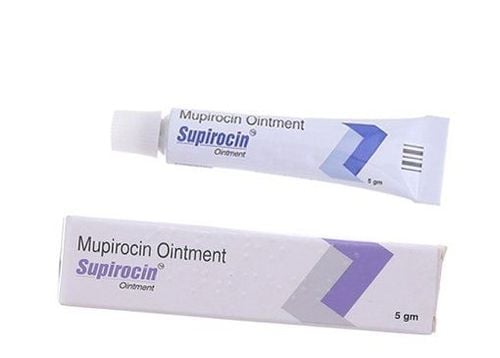
Blistering post-lip blushing may indicate an HSV infection. If herpetic lesions appear, treatment using Acyclovir is recommended. Patients should take around 1.6g per day for 2 days, along with applying topical antibiotics on affected sites to prevent secondary bacterial infection. Lesions should be monitored for one week to adjust treatment as needed.
Acyclovir is an antiviral medication that inhibits viral replication and spread, allowing the immune system to control the infection more effectively. The herpes simplex virus remains dormant in the body and can reactivate, leading to recurrent outbreaks.
Acyclovir reduces the severity and duration of viral outbreaks. The medication promotes faster healing of herpes-related perioral ulcers, prevents formation and expansion of new lesions. Acyclovir also alleviates pain and itching as the lesions heal. For immunocompromised individuals, Acyclovir reduces the risk of viral dissemination to other body parts, preventing severe systemic infections.
The above provides all the essential information about blistering after lip tattooing. You can refer to it to learn how to care for your lips post-procedure and achieve the desired aesthetic results.
To arrange an appointment, please call HOTLINE or make your reservation directly HERE. You may also download the MyVinmec app to schedule appointments faster and manage your reservations more conveniently.