
This article is professionally advised by Dr. Le Thi Huong - Vinmec Times City International General Hospital.
Women, especially those over 30, begin to face many potential health risks. A general health examination helps monitor and prevent future health issues. Below is a list of necessary tests for women over 30.
Regular general health check-ups help you understand your current health status. Based on the examination and test results, the doctor will diagnose and detect diseases early, allowing for timely and accurate treatment, increasing the chances of recovery. Additionally, a general health examination helps you assess and adjust your daily lifestyle to minimize the risk of various diseases in the future.
As women turn 30, their bodies begin to change, and they start to face risks of diseases such as type 2 diabetes, cardiovascular issues, breast cancer, cervical cancer, and musculoskeletal diseases. Below are the basic tests and screenings that are necessary for women over 30 when undergoing a general health examination.
1. Blood Pressure and Cardiovascular Health
Women over 30 should check their blood pressure regularly, every 6 months. If the blood pressure is high, the doctor may recommend an echocardiogram and an electrocardiogram to assess heart health, as those with high blood pressure are at risk of heart disease.
2. Cholesterol Measurement
High cholesterol is a risk factor for cardiovascular disease, and the only way to detect it is through a blood test. If you have high cholesterol, triglycerides, or low-density lipoprotein (LDL), you should continue to have regular check-ups every 3 to 6 months. If you are overweight (BMI > 25), you should also have regular checks. This allows for adjustments to your diet and an increase in exercise.
3. Bone Density Testing
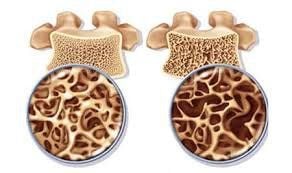
Women are more prone to osteoporosis than men. That’s why you need to check your bone density right after turning 30. It is advisable to test every 5 years, as women can lose 30% of their bone mass within 5 years after menopause.
Women with a low body weight are at even higher risk due to lower bone mass. If your bone density is low, the doctor will recommend additional tests to measure the rate of bone loss.
Additionally, the doctor may suggest calcium and vitamin D supplements or exercise to strengthen your bones. If diagnosed with osteoporosis, the doctor will prescribe medication along with dietary recommendations.
4. Thyroid Function Test
One of the most common health issues that women over 30 face is thyroid problems. An underactive thyroid can be the reason for weight gain, dry skin, and brittle nails. An overactive thyroid may cause insomnia, weight loss, and a rapid heartbeat. Therefore, thyroid function tests and thyroid ultrasounds to detect thyroid disorders early are essential for women over 30.
5. Diabetes
Diabetes is a common disease of all time, especially for those who are overweight, obese, or pregnant, who need to be very cautious. It is advisable to test for diabetes after the age of 30, as having this condition can lead to other serious health complications.
6. Cervical Cell Test (Pap Smear) for Early Detection of Cervical Cancer
Testing with a Pap smear is mandatory for women over 30, as this test helps prevent the risk of cervical cancer. Scientific reports indicate that cervical cancer is one of the most common types of cancer in women.
HPV Testing
This type of virus test is used for women over 30 to detect sexually transmitted infections that may cause cervical cancer. It is performed using the same sample collected for the Pap smear. Therefore, during your next cervical exam, be sure to request the HPV test at the same time.
7. Blood tests
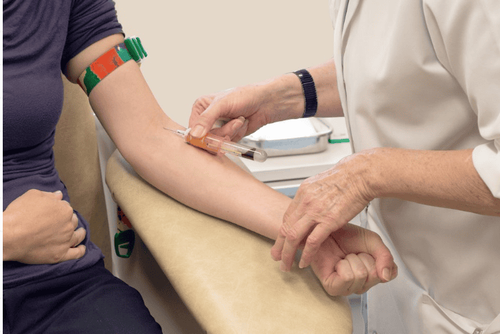
Anemia is one of the most common health issues in women of this age, especially during childbearing years. A simple blood test is essential for women over 30.
8. Ultrasound and Mammogram
One of the best ways to prevent breast cancer is to have breast examinations. Mammograms are typically recommended for women over 40; however, if there are signs or risks, testing should be done in the 30s.
Screening for sexually transmitted diseases and infectious diseases like hepatitis B and C is important, as well as getting vaccinated before planning for pregnancy.
If you have multiple partners or a new partner, it’s advisable to get regular screenings for gonorrhea, chlamydia, and other sexually transmitted infections that can cause pelvic inflammatory disease.
Based on the results of the basic health check-up mentioned above, if any abnormalities are found, your doctor will advise or refer you for further tests to determine the cause of the abnormalities, leading to appropriate treatment methods.
The general health check-up packages at Vinmec International General Hospital include all necessary tests for women aged 30 and above, as well as for all age groups, helping you quickly detect diseases even without symptoms.
For more details, refer to the Standard General Health Check-up Package at Vinmec International General Hospital.
The health check-up package is conducted by highly qualified doctors and utilizes the most advanced medical equipment to accurately assess your health status.
To arrange an appointment, please call HOTLINE or make your reservation directly HERE. You may also download the MyVinmec app to schedule appointments faster and manage your reservations more conveniently.