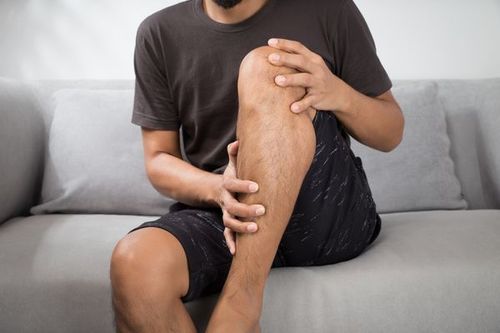
Muscle atrophy is a condition characterized by the wasting or loss of muscle mass due to reduced physical activity often caused by underlying health issues. However, muscle atrophy can improve with proper nutrition, exercise, or physical therapy.
This article is medically reviewed by MD, Specialist level II Mai Anh Kha, in Orthopedic Trauma Surgery, Department of General Surgery, Vinmec International General Hospital, Da Nang.
1. What is muscle atrophy?
Muscle atrophy refers to the decrease in muscle mass and strength. Maintaining good nutrition along with exercise can help muscles grow, increase in size, and become stronger. Conversely, muscle atrophy can result from weakness and physical inactivity.
2. Symptoms of muscle atrophy
Muscle atrophy may present with observable and noticeable signs such as:
- One limb, such as an arm or leg, appearing smaller than the opposite side
- Weakness in a limb
- Prolonged lack of physical activity (a cause of muscle atrophy)
3. Causes of muscle atrophy
Muscle wasting occurs when muscles are not used regularly, but recovery is possible with exercise and improved nutrition. Causes of muscle atrophy include:
3.1 Malnutrition
Severe malnutrition, especially deficiencies in nutrients and protein, can contribute to muscle atrophy as these are essential for muscle development and maintenance. Malnutrition may be due to serious illnesses or the use of strong medications, such as chemotherapy agents.

3.2 Neurological diseases
Neurological disorders like cerebral palsy, stroke, or spinal cord disease can lead to muscle weakness in the face, arms, or legs. Additionally, lack of exercise due to neurological impairment can cause muscles to thin and lose strength, exacerbating the problem.
3.3 Chronic illness or hospitalization
Long-term health conditions such as prolonged infections, cancer, or stays in intensive care units often lead to reduced mobility and poor nutrition, which over time can cause muscle atrophy.
Amyotrophic lateral sclerosis (ALS), also known as Lou Gehrig’s disease, affects the nerve cells controlling muscle movement.
3.4 Swallowing difficulties
Difficulty swallowing and fatigue may hinder proper nutrition intake. Even with the best nutritional efforts, individuals with swallowing problems tend to lose weight.
4. How is muscle atrophy diagnosed?
If muscle atrophy is secondary to another health problem, diagnostic tests may be needed. Before diagnosis, doctors typically take a detailed medical history, including recent injuries, current medications or supplements, and a description of symptoms.
To reach a definitive diagnosis, some further laboratory testing may be necessary. Diagnostic tests might include:
- Blood tests
- X-rays
- Magnetic resonance imaging (MRI)
- Computed tomography (CT) scans
- Nerve conduction studies
- Muscle or nerve biopsy
- Electromyography (EMG)
5. How is muscle atrophy treated?
Treatment depends on diagnosis and severity of muscle atrophy. Common approaches include:
5.1 Exercise
Physical therapy exercises, often performed in water to facilitate movement, are commonly used to improve muscle atrophy.
5.2 Physical therapy
Physical therapists teach proper exercises that can help patients regain movement in affected limbs.
5.3 Ultrasound therapy
Ultrasound therapy is a non-invasive treatment using sound waves to promote healing.
5.4 Surgery
If tendons, ligaments, skin, or muscles are too tight and restrict movement (a condition called contracture), surgery may help correct deformities. Surgery may also be necessary if muscle atrophy is caused by nutritional deficiency or tendon rupture.
5.5 Dietary changes
If malnutrition is the cause, dietary modifications or nutritional supplements may be recommended.
Muscle atrophy is often caused by lack of physical activity due to inactivity or injury. It can usually be treated with regular exercise, proper nutrition, and management of any underlying health conditions.

6. Prevention
If you or a loved one have neurological or health conditions leading to muscle weakness, there are ways to prevent muscle atrophy:
6.1 Staying active
Many recovering from severe infections, cancer, or stroke may lack motivation for physical activity. Similarly, chronic neurological conditions like multiple sclerosis or Parkinson’s disease can reduce the desire to move. However, inactivity is known to worsen muscle atrophy and overall physical function.
6.2 Physical therapy
Participation in physical therapy and rehabilitation is essential for those with neurological problems to regain strength and function.
6.3 Passive movement
Passive movement often comes before you are able to participate in active movement on your own. Passive movement involves a therapist gently moving your limbs when you are not yet ready for active therapy. This is often done in hospitals or rehabilitation centers for patients who cannot move on their own.
6.4 Nutrition
Gradual nutritional and physical recovery can help prevent muscle wasting and restore muscles to their original size and shape.
Besides preventing muscle atrophy, these methods can also reduce issues such as tension headaches or pain from prolonged pressure on body parts, risk of blood clots in limbs due to immobility, and nerve damage or stiffness from prolonged inactivity.
Many patients with neurological diseases feel depressed seeing their muscle loss, but it is important to remember that muscle atrophy is reversible. Although treatment requires time and consistent effort—starting with light activities like assisted walking or bathing—it is crucial to stay motivated.
Once you are ready to resume activity, muscle atrophy combined with disease-related weakness can be challenging. Set realistic goals and gradually improve to avoid frustration. Rehabilitation is vital, and you should make use of all available resources to improve your health.
With more than 22 years of professional experience, Dr. Mai Anh Kha has previously held positions as Head and Deputy Head of the Department of Surgery – Plastic Burns at Hue Central Hospital and has also worked at major medical institutions such as Da Nang Hospital and Transport Hospital 5. Currently, he is an Orthopedic Trauma Surgeon at the Department of General Surgery, Vinmec Da Nang International Hospital.
Reference: healthline.com, verywellhealth.com
To arrange an appointment, please call HOTLINE or make your reservation directly HERE. You may also download the MyVinmec app to schedule appointments faster and manage your reservations more conveniently.