This article is written under the professional guidance of physicians from Vinmec High Technology Center.
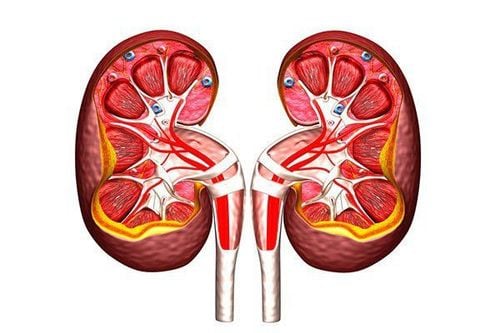
The glomerular filtration rate (GFR) assists physicians in assessing renal function and determining the stage of renal insufficiency, thereby facilitating the development of appropriate treatment strategies.
1. What is considered a low glomerular filtration rate?
To accurately determine whether the GFR is low, patients must undergo a GFR test. However, because there is no direct testing method, it is challenging to calculate the GFR precisely. Current calculation methods often rely on factors such as age, gender, and serum creatinine levels.
During normal muscle metabolism, creatinine is produced as a waste product. The kidneys completely filter creatinine and excrete it through urine. Since the kidneys do not reabsorb creatinine, the creatinine clearance rate is equivalent to the GFR.
Creatinine clearance measures the amount of blood that the kidneys can clean of creatinine in one minute. In healthy individuals, the creatinine clearance rate is typically about 125 mL/min, meaning that in one minute, the kidneys can eliminate all creatinine from 125 mL of blood.
Reduced kidney function is indicated by a low GFR or decreased creatinine clearance. This condition may signal acute or chronic kidney failure. If acute kidney failure is treated effectively, it can restore kidney function, increasing the GFR and creatinine clearance. Conversely, if the treatment is ineffective, the condition may progress to chronic stages. If chronic kidney failure advances, it will progressively lower the GFR and creatinine clearance.

The GFR is utilized to assess the severity of renal disease and to guide the selection of appropriate treatment methods for individuals suffering from chronic kidney disease.
- Stage 1: GFR ≥ 90 (normal kidney function).
- Stage 2: GFR 60-90 (mildly reduced kidney function).
- Stage 3: GFR 30-59 (moderately reduced kidney function).
- Stage 4: GFR 15-29 (severely reduced kidney function).
- Stage 5: GFR <15 (kidney failure, requiring regular dialysis).
When the GFR falls below 60 mL/min/1.73 m², the glomerular filtration rate is considered low (only 50% of the normal level of 120 mL/min/1.73 m²).
2. What to do when GFR is low?
When the glomerular filtration rate (GFR) is low, it indicates reduced renal function. If GFR decreases, it is essential to monitor regularly and focus on treatment to slow down the progression of kidney failure. The key is to identify the underlying cause of renal impairment and manage it through medication, dietary modifications, and appropriate physical activity.
Actions to take when GFR is low include:
- Identifying the cause of renal dysfunction. Potential causes may include: Ultrasound, blood tests, and urine tests are paraclinical methods used to diagnose conditions such as hypertension, diabetes mellitus, urinary tract infections, microvascular thrombosis, and congenital kidney diseases such as polycystic kidney disease and horseshoe kidney.
If the underlying causes are manageable, such as hypertension or diabetes mellitus, patients should:
- Manage blood pressure, ensuring it is maintained below 140/80 mmHg.
- Effectively control blood glucose levels.
- Adhere to a diet low in sugar and salt (to reduce edema and lower blood pressure), while limiting fats and increasing the intake of greens and fruits.
- Engage in regular physical exercise depending on health status, and maintain a reasonable weight.

When GFR decreases due to infection, patients need to utilize beta-lactam antibiotics, a class of antibiotics that is less nephrotoxic, to eliminate the pathogenic bacteria completely.
Patients must strictly adhere to the prescribed treatment regimen and undergo regular assessments of renal function according to their physician's guidance. Monitoring GFR or creatinine clearance can help determine whether the renal impairment is acute or chronic, thus facilitating appropriate treatment approaches. In certain cases, patients may require dialysis to eliminate waste or renal replacement therapy.
To mitigate the risk of anemia, individuals with chronic kidney disease should ensure adequate intake of iron-rich foods, as well as vitamins B12, B6, and folic acid.
Depending on the degree of reduction in GFR, patients may need to adjust their dietary protein intake. Specifically, the lower the GFR, the more protein intake should be restricted. Additionally, those with hypocalcemia may require supplementation of vitamin D and calcium.
Before using any medication while having a renal condition, patients should consult a physician to avoid nephrotoxic drugs or those with uncertain compositions.

If detected early and treated appropriately, the progression of renal failure may be managed and slowed. Therefore, individuals at risk for kidney disease should undergo evaluations to assess renal function and detect early-related issues.
At Vinmec International General Hospital, Vinmec offers a urinary pathology screening and examination package to assist clients in early detection of health issues and obtaining effective treatment, while also preventing serious complications. When selecting the urinary pathology screening package at Vinmec, clients will receive:
- Specialist urological examination
- Ultrasound of the urinary system
- Total PSA quantification
- Free PSA quantification
- Urine culture
To facilitate the early detection of urinary disease risks, particularly related to the prostate (such as benign prostatic hyperplasia and prostate cancer), and to address urinary stone pathologies, thereby enabling clients to adopt preventive health measures.
To arrange an appointment, please call HOTLINE or make your reservation directly HERE. You may also download the MyVinmec app to schedule appointments faster and manage your reservations more conveniently.