For postpartum women, vegetables play an important role in providing fiber for the body, helping with bowel movements, keeping the body in shape, skin beauty and increasing breastmilk supply. However, there are also some herbs and spices that can reduce breast milk supply. Therefore, if during lactation, limit the vegetables in the article below.
1. Mint, parsley
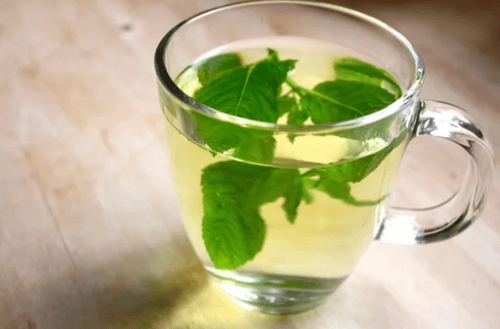
Mint is spicy and cold, so it is often used as a spice or added to summer drinks such as mint tea. However, mint can cause high blood pressure, so doctors recommend that children under 1 year old should not use this vegetable.
During breastfeeding, if the mother eats mint, a small amount of it will enter the milk, changing the flavor of the breast milk, causing poor feeding of the baby. Using mint for a long time or in large quantities can cause the milk supply to gradually decrease and then disappear completely.
In addition to mint, parsley also contains a large amount of essential oils, with a characteristic spicy aroma, so it is often eaten raw or used to decorate dishes. For nursing mothers, consuming parsley can make breast milk have a strange smell for baby to be bored or stop breastfeeding.
2. Garlic and onions
Garlic and onions, two types of bulbs that, if consumed, will pass through breast milk and cause the milk to have a pungent smell that is not suitable for the taste of newborns. When the baby refuses to breastfeed, the mammary glands can quickly recognize and automatically adjust to secrete much less milk.
3. Pepper and chili
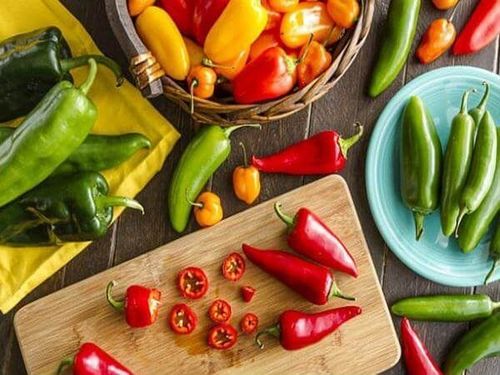
Pepper and chili, two types of vegetables and spices, are very commonly used in Vietnamese cuisine. They are both hot and spicy bringing a characteristic flavor to many dishes, however, nursing mothers should avoid using this spice.
The reason is that the hot properties of pepper and chili can affect the breast milk supply for the baby to feel uncomfortable, constipated, itchy, hot, easily bloated and stomach ache... Not only that, but they also have a negative effect on breast function, making it difficult for mothers to produce milk.
See more: What vegetables should eat after giving birth to produce more milk?
4. Cabbage
Many mothers are concerned that eating cabbage will cause loss of milk? According to Traditional oriental medicine, cabbage is inherently cold property, and has the function of cooling lungs and clearing toxins and heat from the body... However, because of this reason, when using it, many mothers are prone to cold stomach, stomach ache and indirectly affect the baby during breastfeeding.
In addition, according to folk remedies, cabbage also used to apply on the chest when having a plugged milk duct helps to unclog a milk duct, reduces pain and breast tension. However, it is recommended that mothers should only apply cabbage leaves 1-2 times/day and should not overuse it because it can reduce the mother's milk supply.
5. Bitter vegetables
Does eating bitter vegetables cause loss of milk? This is a matter of concern for many nursing mothers. Similar to pennywort, artichoke, bitter melon..., bitter vegetables are inherently cool and cold which have the effect of clearing heat and toxins from the liver and treating many diseases for the body. However, because of this cold property, many experts advise postpartum women not to eat a lot of bitter vegetables.
If women after giving birth often eat cold foods, it can cause digestive problems such as stomach ache, diarrhea,... affecting the quality of breast milk and also making children prone to stomach aches and indigestion.
6. Bamboo shoots
Bamboo shoots are a popular food because of their special flavor, but in fact, they are not good for health, even for normal people or postpartum women. Bamboo shoots containing a large amount of HCN toxin can reduce milk production in lactating women. Therefore, if you intend to use bamboo shoots in your daily diet, adjust the dosage to a small amount or best wait until your child is weaned
7. Vietnamese coriander
Vietnamese coriander having a warm characteristic has the effect of regulating menstrual cycle, enriching blood, treating abdominal pain and menorrhagia. Therefore, postpartum women are recommended to only use it after the lochia has stopped. Similar to parsley and mint, vietnamese coriander can also cause loss of milk if eaten regularly or in large quantities, so mothers should specially take a precaution.
8. Celery
Celery used mainly in stir-fry food, especially with beef brings an attractive flavor to the meal. However, like cabbage, celery can reduce milk production in some people.

9. Betel leaves
Finally, betel leaf is one of the foods that must be absolutely avoided during lactation. Many mothers who want to wean their children only need to drink betel leaves juice every day and their milk will stop without any pain or discomfort. Therefore, postpartum women should avoid dishes made with betel leaves.
According to Western perspective, abstaining from food after giving birth is not too important as long as women are healthy enough to breastfeed their children. However, according to traditional Eastern perspective, abstaining from certain foods ensuring the quality of milk and not affecting the health of the child is very necessary, especially for mothers who are not in good health, yin-yang imbalance or running too hot or cold.
During the postpartum - breastfeeding period, the mother's diet has a great influence on the health of the child. Specifically, a good diet helps mothers have enough milk to feed their children. Therefore, postpartum mothers need to have a proper diet combined with exercise, scientific rest and a comfortable mentality. In addition, mothers should also avoid certain foods that affect milk quality and milk secretion to ensure enough milk for babies.
To arrange an appointment, please call HOTLINE or make your reservation directly HERE. You may also download the MyVinmec app to schedule appointments faster and manage your reservations more conveniently.