Canker sores are a very common condition that almost everyone experiences at some point. Although they are mild, easily treatable, and can subside quickly, they also tend to recur frequently and persist whenever they appear.
1. What is canker sores?
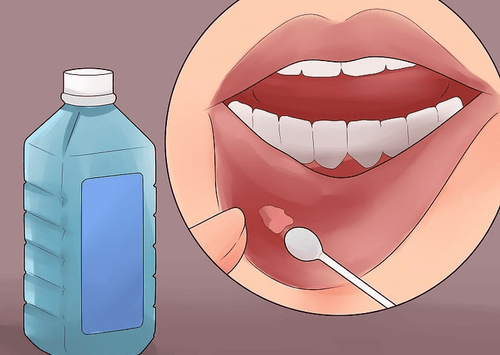
A canker sore is an inflammatory condition that causes ulcers inside the mouth, leading to pain and discomfort, making it difficult for individuals to eat or speak. Initially, the condition appears as small, raised white spots on the oral mucosa. Over time, these spots enlarge and rupture, forming ulcers. These are usually shallow ulcers, measuring about 1-2 mm in size, primarily occurring on the gums, tongue, or inner cheeks and sometimes on the lips. Initially, the ulcers have a bright white color, gradually turning yellow, while the surrounding tissue becomes red and swollen.
2. Symptoms of canker sores
Canker sores are easily identifiable because they are visible and present clear symptoms such as white spots or ulcers inside the mouth. However, depending on individual health conditions, canker sores may also be accompanied by the following symptoms:
- Swollen lymph nodes
- Fever
- Abdominal pain
- Diarrhea
- Bloating
- Indigestion
- Pallor, weight loss
- Muscle cramps
- Swollen lymph nodes near the jaw

3. What causes canker sores?
Since canker sores affect nearly everyone and are easily treatable, various explanations exist for their causes. These can be categorized into traditional beliefs and modern medical perspectives.
- Traditional beliefs: Canker sores result from excessive heat in the digestive system, particularly the spleen and stomach, or damp heat in these organs. When the body overheats, it generates excessive internal heat, leading to mouth ulcers, dryness, and redness of the tongue. Consuming too many fatty, spicy, or hot foods can contribute to indigestion and excessive heat, which, combined with saliva, can cause irritation and ulceration of the oral mucosa.
- Modern medical perspective: The exact cause of canker sores is not fully understood, but studies suggest various contributing factors, including bacterial or viral infections. Hormonal changes, nutritional deficiencies (such as vitamin A, C, B12, B6, and zinc), and weakened immunity can also create favorable conditions for the development of canker sores.
Several factors increase the likelihood of canker sores, including:
- Brushing teeth too aggressively or incorrectly
- Oral trauma from orthodontic appliances
- Accidentally biting the cheek
- Using toothpaste or mouthwash containing sodium lauryl sulfate
- Food sensitivities or allergies
- Hormonal changes during puberty or pregnancy
- Stress
- Inflammatory bowel diseases such as ulcerative colitis
- Weakened immune system
- Celiac disease and Behçet's disease
4. How to treat canker sores?
Canker sores are typically a temporary condition caused by changes in the body, making them relatively easy to treat. Currently, there are two primary treatment methods: topical medications and oral medications.
- Topical medications: If the canker sore has ulcerated and causes significant pain or difficulty eating, topical gels can be used. These gels contain anti-inflammatory and pain-relieving ingredients and also act as a protective barrier against bacteria.
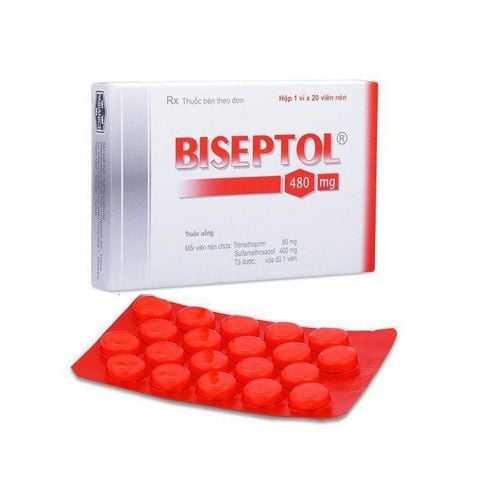
- In severe cases, prescription antibiotics may be necessary. Canker sores can also be a symptom of an underlying condition, so if they persist for more than 14 days, a medical evaluation is recommended to determine the exact cause.
Other treatment options include: Steroid-containing mouthwashes (e.g., dexamethasone-based solutions) to reduce pain and inflammation. Carbocaine-containing mouth rinses to alleviate discomfort. Cold compresses: Applying ice to the affected area can help reduce swelling and pain. Tea bag compress: Placing a used tea bag on the sore can provide immediate relief due to its soothing properties.
5. How to prevent canker sores?
Canker sores tend to recur frequently, but there are several ways to minimize their occurrence:
- Maintain a healthy diet: Avoid excessive intake of salty, spicy, or greasy foods, as well as acidic fruits like oranges and lemons.
- Eat nutrient-rich foods: Incorporate cooling fruits, green vegetables, and whole grains into your diet.
- Practice good oral hygiene: Brush your teeth twice daily using a soft-bristled toothbrush to avoid injuring the delicate oral mucosa, which could lead to bacterial infections.
- Use mouthwash: Regularly rinse with mouthwash, but avoid products containing sodium lauryl sulfate, as they may irritate the mouth.
- Manage stress: Stress is a common trigger for canker sores. Practicing relaxation techniques such as meditation and yoga can help reduce stress levels.
To arrange an appointment, please call HOTLINE or make your reservation directly HERE. You may also download the MyVinmec app to schedule appointments faster and manage your reservations more conveniently.