A bad odor on the tongue is often caused by the fermentation of food particles by anaerobic gram-negative bacteria in the mouth. This process produces volatile sulfur compounds such as hydrogen sulfide and methyl mercaptan, which are also associated with periodontal disease. So, why does a white-coated tongue still have a bad odor even after thorough cleaning?
1. Why does the tongue smell bad despite proper hygiene?
Bad breath is often caused by the fermentation of food particles by anaerobic gram-negative bacteria in the mouth. These bacteria produce volatile sulfur compounds such as hydrogen sulfide and methyl mercaptan. They are commonly found in periodontal disease, especially in cases involving ulceration or tissue necrosis. These bacteria thrive deep within periodontal pockets around the teeth. However, even in individuals with healthy gum tissue, these bacteria can still proliferate on the dorsal surface of the tongue. There are factors that promote bacterial overgrowth, including:
- Reduced salivary flow, as seen in conditions like parotid gland disorders, anticholinergic medication use, Sjögren's syndrome etc
- Blocked salivary glands
- Increased salivary pH.
Additionally, certain foods and spices, after being digested, release their odors into the lungs, causing bad breath that may be unpleasant to others. For example, garlic can be detected in a person’s breath 2 to 3 hours after consumption, even after it is no longer present in the mouth. Additionally, some systemic diseases can produce volatile compounds in the breath, contributing to unpleasant odors. Although not always classified as typical halitosis, these pungent smells can still be bothersome. Diabetic ketoacidosis can cause a sweet or fruity acetone-like odor in the breath, Liver failure can lead to a foul smell, sometimes resembling sulfur and kidney failure can produce a urine-like or ammonia odor in the breath.
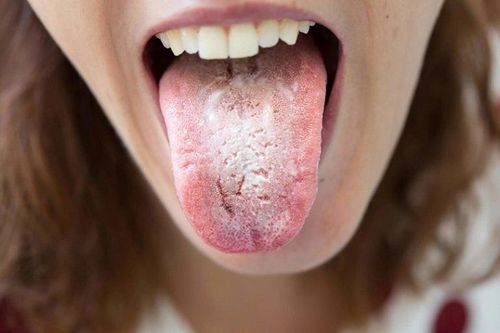
2. What does a white-coated tongue with bad odor indicate?
While a white-coated tongue with bad breath is not life-threatening, it can cause discomfort in daily life and negatively impact social interactions and career opportunities. Additionally, a foul odor at the back of the tongue may be a warning sign of certain underlying health conditions, such as:
- Oral diseases: The presence of a white-coated tongue with bad odor may indicate oral thrush, especially if bleeding occurs when scraping the tongue. This condition is more common in children and the elderly, as their immune systems are weaker than those of healthy adults.
- Gastroesophageal reflux disease (GERD): Acid reflux occurs due to excess stomach acid, a weakened esophageal sphincter, or overeating, leading to stomach contents flowing back into the throat and mouth. This can cause a burning sensation, irritation of the mucosa, and bad breath.
- Oral infections: Oral infections occur due to damage to the soft tissues in the mouth. In most cases, these infections heal on their own within two weeks. However, a white-coated tongue with bad odor may be a warning sign of Candida overgrowth (oral thrush) or oral candidiasis. In addition to bad breath, oral infections can also cause symptoms such as: burning pain white eating or drinking, fatigue, loss of taste, overall body exhaustion

3. Preventive measures for bad breath on the tongue
To prevent a white-coated tongue with bad odor, follow these essential steps:
- Oral hygiene practices: Brush your teeth after every meal, but wait at least one hour after eating to prevent enamel erosion. Use a soft-bristled toothbrush to avoid damaging the gums. Incorporate flossing and mouthwash into your routine to ensure fresh breath and reduce bacterial buildup.
- Adopt a healthy diet: A nutrient-rich diet helps prevent bad breath and tongue discoloration. Follow a balanced diet with properly cooked foods and ensure adequate intake of vitamins and minerals. Additionally, drink 1.5–2 liters of water daily to prevent dehydration and dry mouth. Minimize the consumption of processed foods, fried foods, and harmful stimulants like alcohol and tobacco.
- Schedule regular dental check-ups: Develop a habit of routine oral care and regular dental visits for professional cleaning (scaling) and early detection of gum or tongue issues.
To conclude,A bad odor on the tongue is often caused by food fermentation due to anaerobic gram-negative bacteria, producing volatile sulfur compounds like hydrogen sulfide and methyl mercaptan. These bacteria are commonly linked to periodontal disease. Additionally, persistent bad breath despite good oral hygiene may indicate underlying digestive disorders. Therefore, maintaining proper oral care and routine check-ups is crucial for early detection and timely intervention.
To arrange an appointment, please call HOTLINE or make your reservation directly HERE. You may also download the MyVinmec app to schedule appointments faster and manage your reservations more conveniently.