This article is professionally reviewed by MSc. Dr. Võ Thiện Ngôn – General Surgery Department, Vinmec Da Nang International Hospital.
Monitoring urine output after surgery is essential as it helps assess potential complications in the patient. When monitoring urine output, it is crucial to pay attention to the amount of fluid intake and output, the total fluid balance over 24 hours, as well as the characteristics, color, and volume of urine.
1. Assessing the patient's condition
Urine monitoring plays a vital role in post-surgical and procedural patient care:
- Check pulse and blood pressure regularly to detect early signs of postoperative bleeding or hypertension.
- Body temperature: A high temperature may indicate an infection.
- Edema: Observe the patient’s skin, check for postoperative swelling, record observations, and compare them daily.
- Surgical wound: Assess pain at the surgical site and check for any fluid leakage from the dressing.
- Drainage: Monitor the amount and color of urine, bladder distension, and urine characteristics. If the patient has renal pelvis or ureteral drainage, it is essential to document the urine output from each type of drain separately from the urethral catheter.

2. Possible complications after surgery
Monitoring urine output after surgery is extremely important, as it helps detect complications in the patient. It is necessary to track fluid intake and output, the total fluid balance over 24 hours, urine characteristics, color, and quantity. Patients should receive fluid and electrolyte replacement as prescribed, and their blood pressure should be monitored regularly. If a urethral catheter is in place, proper hygiene of both the genital area and the catheter system is necessary.
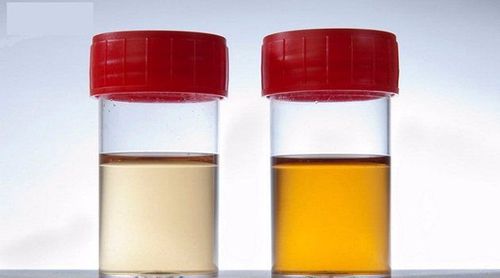
- If the urine appears red, closely monitor vital signs as the patient may be experiencing postoperative bleeding.
- If the urine appears milky, the cause may be proteinuria, or if there are visible particles, it could be due to kidney stones.
- Regarding urine volume: Low urine output may indicate kidney failure. If the patient has not urinated for 6–8 hours after surgery, the bladder should be examined for distension to assess whether urinary retention is present.
- Pain at the surgical site (often in the flank or lower back) or pain due to drainage tubes can make patients reluctant to breathe deeply, affecting their respiratory status.
- Postoperative urinary retention: Most urinary tract surgeries involve a urethral catheter, which is usually removed a few days after surgery.
Monitoring urine output after surgery is extremely important, as it helps detect complications in the patient. It is necessary to track fluid intake and output, the total fluid balance over 24 hours, urine characteristics, color, and quantity. Patients should receive fluid and electrolyte replacement as prescribed, and their blood pressure should be monitored regularly. If a urethral catheter is in place, proper hygiene of both the genital area and the catheter system is necessary.
- If the urine appears red, closely monitor vital signs as the patient may be experiencing postoperative bleeding.
- If the urine appears milky, the cause may be proteinuria, or if there are visible particles, it could be due to kidney stones.
- Regarding urine volume: Low urine output may indicate kidney failure. If the patient has not urinated for 6–8 hours after surgery, the bladder should be examined for distension to assess whether urinary retention is present.
- Pain at the surgical site (often in the flank or lower back) or pain due to drainage tubes can make patients reluctant to breathe deeply, affecting their respiratory status.
- Postoperative urinary retention: Most urinary tract surgeries involve a urethral catheter, which is usually removed a few days after surgery.
3. Important considerations when monitoring urine output after surgery
At the hospital:
- Encourage increased water intake and limit foods that may contribute to stone formation in patients who have undergone kidney stone surgery.
- Motivate patients to practice deep breathing to prevent fluid accumulation in the lungs.
- Guide patients in genital hygiene and monitoring urine color.
At home, patients may need to continue using a drainage system. To ensure safety, they should:
- Avoid getting soap into the drainage site while bathing.
- Use a gentle, low-pH cleanser.
- Replace dressings immediately after bathing.
- Be cautious when moving to prevent accidental dislodgement of the drainage tube.
- Attend follow-up appointments as scheduled for drain removal or replacement.
- Drink plenty of water and maintain a balanced diet.
These are essential guidelines for monitoring urine output after surgery to promptly manage any potential complications. If you have any concerns, consult a doctor immediately for appropriate guidance.
To arrange an appointment, please call HOTLINE or make your reservation directly HERE. You may also download the MyVinmec app to schedule appointments faster and manage your reservations more conveniently.