Ensuring a child's healthy growth and development is always a major concern for parents. Depending on a child’s age and gender, the standard weight varies. What is the ideal weight for a 10-month-old baby? Is a 7kg baby at 10 months considered severely malnourished?
1. What Is the Standard Weight for a 10-Month-Old Baby?
By 10 months of age, a baby’s weight gain and growth rate typically slow down compared to the first six months of life. However, the child should still meet the standard weight recommended by health experts.
According to the World Health Organization (WHO) growth chart, the standard weight range for 10-month-old infants is as follows:
- Weight Standards for 10-Month-Old Girls:
- Severely underweight (malnourished): Below 6.8kg
- At risk of malnutrition: Below 7.5kg
- Normal weight: Approximately 8.5kg
- At risk of obesity: Above 9.6kg
- Obese: Above 10.7kg
Weight Standards for 10-Month-Old Boys:
- Severely underweight (malnourished): Below 7.5kg
- At risk of malnutrition: Below 8.2kg
- Normal weight: Approximately 9.2kg
- At risk of obesity: Above 10.3kg
- Obese: Above 11.2kg
If a 10-month-old girl weighs 7kg, she is at risk of malnutrition.
If a 10-month-old boy weighs 7kg, he is classified as malnourished.
In both cases, it is advisable to take the child for a medical check-up to determine the underlying cause and receive appropriate treatment.
During the process of caring for a 10-month-old baby, there will be times when the baby gets sick and may lose weight, this is quite common and you should not worry too much. If after a while, the baby recovers and gains weight again, this is completely normal. If the baby still loses weight uncontrollably, you should take the baby to the doctor immediately.
2. Developmental Milestones of a 10-Month-Old Baby
Motor Skills Development
By 10 months, babies can typically:
- Transition from a standing position to a squatting position.
- Crawl efficiently.
- Stand up with support from a caregiver or furniture.
- Take their first steps with assistance.
- Pick up food and feed themselves.
- Wave goodbye.
- Point to objects that interest them.
- Baby begins to babble and imitate words adults say.
- Baby can stack toys, cups or bowls.
- Cognitive Development
At this stage, babies:
- Show interest in music, particularly lively and cheerful melodies.
- Can distinguish colors more clearly.
- Understand simple phrases or words.
- Start babbling and imitating words like “ma” or “ba.”
- Begin sorting objects and stacking toys.
- Develop specific food preferences.
- Display new personality traits.
- Show curiosity and explore how things work.
Recognize patterns of daily activities (e.g., understanding that a caregiver changing clothes means they are going out).
If a 10-month-old baby:
- Has not started crawling.
- Does not attempt to roll over.
- Shows no response to conversations or sudden sounds.
Parents should consult a pediatrician to check for developmental disorders and determine if early intervention is needed.

3. Recommended Diet for a 10-Month-Old Baby
Each child has a different appetite, so food intake may vary. Generally, a 10-month-old baby should have:
- Two solid meals per day (e.g., porridge, soft foods).
- Two to three snack meals (e.g., fruit, yogurt).
- Breast milk or formula 2–3 times daily, depending on the baby’s needs.
According to pediatric experts, breast milk or formula should remain the primary source of nutrition until the child reaches 12 months of age. However, complementary foods such as porridge, soft-cooked foods, and purees should be introduced.
By 10 months old, most babies can eat a variety of soft and solid foods, including:
- Bread, eggs, fish, minced meat, vegetables, fruits, and cereals.
At this age, babies often experience temporary loss of appetite, a phenomenon known as physiological anorexia. Many infants go through this phase, requiring parents to find ways to encourage proper eating habits.
At 10 months old, your baby can eat foods including:
• Fruits such as: Avocado, pear, apple, banana, strawberry, watermelon, orange, dragon fruit.
• Vegetables such as: Malabar spinach, sweet potato, amaranth, cabbage, spinach... cooked until soft. Peas, sweet potatoes, potatoes, pumpkin... steamed until soft; broccoli, cauliflower boiled or steamed; or carrots, turnips stewed until soft.
• Meat: You can feed your 10-month-old baby meats such as lean pork, beef, chicken, fish, shrimp,... when they have been cooked until soft, ground or pureed.
In addition, you can let your baby try other foods such as vermicelli, noodles, soft pasta, as well as yogurt, cheese made from pasteurized milk.
However, parents should avoid certain foods that may cause allergies or pose health risks, including:
- Cow’s milk
- Honey (risk of botulism)
- Olives
- Shellfish
- Egg whites
- Popcorn and nuts
- Whole fruits (risk of choking)
- Hard candies, gummy candies, chewing gum
- Large food chunks
- Desserts high in sugar
4. What to Do If a 10-Month-Old Baby Refuses to Eat?
At this age, babies often experience temporary loss of appetite, a phenomenon known as physiological anorexia. Many infants go through this phase, requiring parents to find ways to encourage proper eating habits.
- During the development of your child, you need to feed your child a variety of foods to provide all the necessary nutrients such as: Starch, protein, fat, vitamins and minerals. Increase your child's snacks with special, uniquely decorated dishes from vegetables such as: Avocado, banana, apple, yogurt.
- Encourage family meals so the baby can eat with others.
- If breast milk supply is insufficient, supplement with formula milk.

5. Important Considerations in Caring for a 10-Month-Old Baby
Physical and Mental Development
- Engage in stimulating activities, such as stacking blocks, rolling balls, dancing to music, or playing hide-and-seek.
- Avoid sharp objects and small toys that pose a choking hazard.
Healthy Sleep Habits
- Establish a consistent bedtime routine to prevent late-night sleep deprivation, which can hinder weight gain.
Self-Feeding Skills
- Encourage independent eating habits to promote self-sufficiency.
- Ensure proper hand hygiene before and after meals.
- Prepare soft, properly sized, and well-cooked meals to facilitate digestion.
Nutrient Supplementation
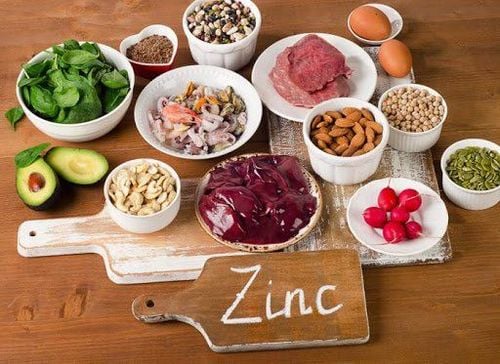
- A 10-month-old baby requires 5mg of elemental zinc per day to promote healthy appetite, proper growth, and immune function. Zinc plays a role in various biological processes, including protein synthesis and cell development.
- Zinc deficiency may lead to neurological disorders and irritability. Parents should explore the importance of zinc supplementation for their child.
In addition to zinc, children need other essential vitamins and minerals, such as:
- Lysine
- Chromium
- B vitamins
These nutrients help enhance appetite, strengthen immunity, and prevent frequent illnesses.
For more health, nutrition, and beauty tips, visit Vinmec International General Hospital to safeguard the health of yourself and your loved ones.
To arrange an appointment, please call HOTLINE or make your reservation directly HERE. You may also download the MyVinmec app to schedule appointments faster and manage your reservations more conveniently.