A good night's sleep plays a crucial role in human health. In fact, sleep is just as important as maintaining a healthy diet and exercising regularly. However, in today's modern life, many factors can negatively impact sleep, such as work-related stress...
1. Poor sleep can cause weight gain
Poor sleep is strongly linked to weight gain. People who do not get enough sleep tend to gain significantly more weight than those who sleep sufficiently. In fact, short sleep duration is one of the main risk factors for obesity.
A study found that children and adults who do not get enough sleep have an increased risk of obesity by 89% and 55%, respectively. The effect of sleep on weight gain is thought to be due to changes in appetite-regulating hormones and sleep patterns.
If you are trying to lose weight, getting good sleep is crucial. Some studies have shown that insufficient sleep increases ghrelin and decreases leptin, which can lead to increased appetite.
2. People who sleep well tend to consume fewer calories
Studies show that sleep-deprived individuals often experience increased appetite and tend to consume more calories. Sleep deprivation disrupts the regulation of hunger hormones, which is believed to cause difficulties in appetite control. Lack of sleep raises ghrelin levels, the hormone that stimulates appetite, while reducing leptin levels, the hormone that suppresses appetite.
To compensate for the lack of energy needed to stay awake, when you do not get enough sleep, eating more becomes a physiological adaptation. Today, with the abundance of food, it is easy to overconsume calories beyond what is necessary.
3. Good sleep enhances concentration and productivity
Sleep is essential for various aspects of brain function, including cognition, concentration, productivity, and performance. All of these are negatively affected by sleep deprivation. A study conducted on medical interns showed that those who followed a traditional schedule with shifts longer than 24 hours experienced more severe health impacts compared to those who had sufficient sleep.
Lack of sleep can negatively impact several aspects of brain function to a degree comparable to alcohol intoxication.
On the other hand, problem-solving skills and memory performance in both children and adults have been shown to improve with sufficient sleep.

4. Good sleep can maximize athletic performance
Quality sleep has been proven to enhance athletic performance. A study on basketball players found that longer sleep duration significantly improved speed, accuracy, reaction time, and mental well-being.
Shorter sleep duration has also been associated with poorer exercise performance and reduced physical ability in older women. A study involving more than 2,800 women showed that sleep deprivation was linked to slower walking speeds, reduced balance, and difficulty performing independent activities.
Disruptions in sleep duration can degrade sleep quality, leading to impaired physical function. Therefore, to maximize athletic performance, you need to ensure good sleep.
5. Poor sleepers have a higher risk of heart disease and stroke
Sleep quality and duration can significantly affect health. They are considered major contributors to chronic diseases, including heart disease. A review of 15 studies found that people who do not get enough sleep have a much higher risk of developing heart disease or suffering a stroke compared to those who sleep 7 to 8 hours per night.
6. Sleep affects glucose metabolism and the risk of type 2 diabetes
Research indicates that sleep deprivation affects blood sugar levels and reduces insulin sensitivity. A study on young, healthy men showed that sleeping only four hours per night for six consecutive nights caused prediabetic symptoms. These symptoms improved after one week of increased sleep duration.
Habitual short sleep duration may lead to long-term adverse effects on blood sugar levels.
People who consistently sleep less than six hours per night have been found to be at a higher risk of developing type 2 diabetes.
7. Poor sleep is linked to depression

Mental health issues, including depression, are strongly linked to poor sleep quality and sleep disorders. Experts estimate that approximately 90% of people with depression experience sleep difficulties.
Poor sleep is even associated with an increased risk of death by suicide. People with sleep disorders, such as insomnia or obstructive sleep apnea, also have a significantly higher rate of depression compared to those with normal sleep patterns.
8. Sleep improves immune function
Even short-term sleep deprivation has been shown to impair immune function. A two-week study monitored the development of the common cold after participants were exposed to a cold virus through nasal drops. Researchers found that those who slept less than seven hours were nearly three times more likely to develop a cold compared to those who slept eight hours or more.
If you frequently catch colds, it is best to avoid staying up late and ensure you get enough sleep each night. Sleeping at least eight hours can improve your immune function and help fight off common colds. Eating more garlic may also be beneficial.
9. Poor sleep increases inflammation in the body
Sleep can have a profound impact on inflammation within the body. In fact, sleep loss is known to trigger markers of inflammation and cell damage.
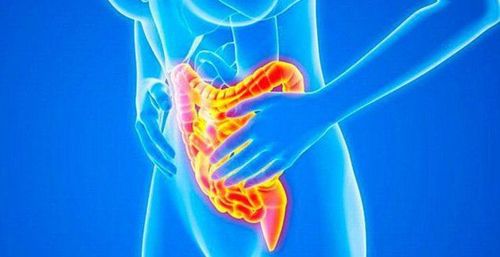
Poor sleep is strongly associated with chronic inflammatory conditions, particularly in disorders such as inflammatory bowel disease. Research shows that sleep-deprived individuals with Crohn’s disease are twice as likely to experience a relapse compared to those who sleep well.
Poor sleep is closely linked to inflammatory bowel diseases and can increase the risk of disease relapse. Researchers even use sleep assessments to help predict treatment outcomes in people with long-term inflammatory conditions.
10. Sleep affects emotions and social interactions
Lack of sleep reduces the ability to engage in social interactions. People who sleep poorly have a reduced ability to recognize expressions of anger and happiness. Researchers believe that sleep deprivation affects the ability to detect and process emotional signals. Sleep deprivation can impair social skills and the ability to recognize others' emotional expressions.
In conclusion, along with proper nutrition and regular exercise, good sleep is one of the most crucial factors for overall health. You cannot achieve optimal health without taking care of your sleep.
To arrange an appointment, please call HOTLINE or make your reservation directly HERE. You may also download the MyVinmec app to schedule appointments faster and manage your reservations more conveniently.