When you are pregnant, it is essential to avoid foods and drinks that may pose risks to you and your baby. While most foods and beverages are completely safe to enjoy, some should be avoided, such as raw fish, unpasteurized milk, alcohol, and fish high in mercury. Additionally, certain foods and drinks, such as coffee and those high in added sugars, should be limited to promote a healthy pregnancy.
1. High mercury fish
Mercury is highly toxic element and can occur in polluted waters. In high amounts, mercury can be harmful to your nervous system, immune system, and kidneys. It can also cause serious developmental issues in children.
Since mercury is found in polluted seas, large marine fish can accumulate high levels of mercury. Therefore, it is best to avoid fish with high mercury content during pregnancy and breastfeeding.
Fish high in mercury that you should avoid include: shark; swordfish; king mackerel; tuna (especially bigeye tuna); marlin; Tilefish from the Gulf of Mexico; orange roughly
According to the Food and Drug Administration (FDA), consuming fish with low mercury levels during pregnancy is beneficial for your health, and these types of fish can be eaten up to three times per week.
There are plenty of fish with low mercury content, including: anchovies; cod; flounder; haddock; salmon; tilapia; trout (freshwater). Salmon and anchovies are excellent choices for pregnant women, as they are rich in omega-3 fatty acids, which are essential for your baby’s development.
2. Undercooked or raw fish
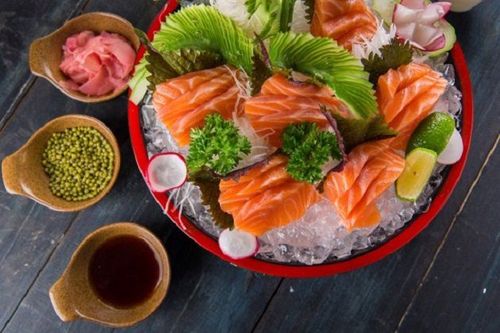
This may be difficult for sushi lovers, but it is an important point. Raw fish, especially shellfish, can cause various infections, including those caused by viruses, bacteria, or parasites.
Some of these infections may only affect you, leading to dehydration and weakness, while others can be transmitted to the fetus with serious consequences.
Pregnant women are particularly susceptible to Listeria infection from consuming raw fish. According to the Centers for Disease Control and Prevention (CDC), pregnant women are 10 times more likely to get a Listeria infection compared to the general population. Hispanic pregnant women are at an even higher risk—24 times more likely.
These bacteria can be present in contaminated soil, water, or plants. Raw fish can become infected during processing, including smoking or drying.
Listeria bacteria can cross the placenta, infecting the baby even if the mother shows no symptoms. This can lead to preterm birth, miscarriage, stillbirth, or severe health complications for the baby.
3. Undercooked or raw meat
Consuming raw or undercooked meat increases the risk of infection from various bacteria and parasites, including Toxoplasma, E. coli, Listeria, and Salmonella.
These bacteria can pose serious threats to the fetus, potentially leading to stillbirth or severe neurological conditions.
While most bacteria are found on the surface of whole cuts of meat, some can also be present inside muscle fibers. Certain whole cuts of meat, such as tenderloin, sirloin, or ribeye from beef, lamb, and veal, may be safe to eat if they are not fully cooked, but only when they are whole, unprocessed, and the outer surface is properly cooked. So, what to avoid?Pregnant women should not eat processed or ground meats, including meatloaf, burgers, minced meat, pork and poultry.
4. Raw eggs
Salmonella bacteria can be present in raw eggs. A Salmonella infection can cause symptoms such as fever, nausea, vomiting, stomach cramps, and diarrhea. In some cases, this bacterial infection may lead to uterine cramping, which can result in preterm birth or stillbirth.
There are several foods that often contain raw eggs, including lightly scrambled eggs; poached eggs; hollandaise sauce; homemade mayonnaise; some homemade salad dressings; homemade ice cream; homemade cake batter
Most commercially produced foods containing raw eggs are made with pasteurized eggs, which are safe to consume. However, it is always important to check the label before consuming these products.
5. Organ meat
Organ meat is an excellent source of essential nutrients, including iron, vitamin B12, vitamin A, zinc, selenium, and copper—all of which are beneficial for both you and your baby. However, consuming too much animal-based vitamin A during pregnancy, especially in the first trimester, should be avoided. While this concern mainly applies to vitamin A supplements, it is still best to limit the intake of organ meats.
6. Caffeine
According to the American College of Obstetricians and Gynecologists (ACOG), pregnant women are advised to limit caffeine intake to less than 200 milligrams (mg) per day. Caffeine is absorbed quickly and easily passes through the placenta to the fetus. Since the fetus and placenta lack the necessary enzymes to metabolize caffeine, high levels can accumulate in the baby’s system.
Studies have shown that excessive caffeine consumption during pregnancy may restrict fetal growth and increase the risk of low birth weight.
Babies born under 2.5 kg are at a higher risk of developing chronic diseases later in life.

7. Raw Sprouts
Raw sprouts, including alfalfa, clover, radish, mung bean sprouts, etc can be contaminated with Salmonella bacteria.
The humid environment required for sprout growth is ideal for bacterial development, and these bacteria cannot be easily washed off. Therefore, it is best to completely avoid raw sprouts during pregnancy. However, cooked sprouts are safe to consume.
8. Unwashed products
The surface of unwashed or unpeeled fruits and vegetables may be contaminated with bacteria and parasites such as Toxoplasma, E. coli, Salmonella, and Listeria. These can come from the soil or through handling.
Contamination can occur at any time during production, harvest, processing, storage, transportation, or retail. Toxoplasma is a parasite that can linger on plant foods.
Most people infected with Toxoplasma show no symptoms, while others may experience flu-like symptoms for a month or more.
Babies infected with Toxoplasma in the womb may not show symptoms at birth, but serious complications such as blindness or intellectual disabilities can develop later in life.
9. Unpasteurized milk, cheese, and juice
What should pregnant women avoid drinking? Raw milk, unpasteurized cheese, and soft-ripened cheeses may contain harmful bacteria, including Listeria, Salmonella, E. coli, and Campylobacter.
Unpasteurized fruit juices can also carry bacteria that cause infections, which may lead to life-threatening complications.
Bacteria can be naturally present or introduced during collection or storage. Pasteurization is the most effective method to eliminate harmful bacteria without reducing the nutritional value of the product.
To reduce the risk of infections, eat only pasteurized milk, cheese and juice
10. Alcohol
Healthcare professionals strongly recommend that pregnant women completely avoid alcohol, as it increases the risk of miscarriage and stillbirth. Even small amounts of alcohol can negatively affect the development of the baby’s brain.
Additionally, consuming alcohol during pregnancy can cause Fetal Alcohol Syndrome (FAS), which is associated with facial deformities, heart defects, and intellectual disabilities. For these reasons, alcohol should be completely avoided during pregnancy.
11. Processed junk foods
During pregnancy, it is essential to start consuming nutrient-rich foods that benefit both you and your baby. Your body requires an increased intake of essential nutrients, including protein, folate, choline, and iron.
You can eat as usual during the first trimester, then gradually increase your intake by approximately 350 extra calories per day during the second trimester and 450 extra calories per day during the third trimester.
An optimal pregnancy diet should consist of whole, including: nutrient-dense foods to meet the nutritional needs of both you and your baby. Processed junk foods often contain low nutritional value but are high in calories, added sugars, and unhealthy fats.
While weight gain is necessary during pregnancy, excessive weight gain is linked to complications such as gestational diabetes and other pregnancy-related risks.
A pregnancy meal plan should focus on the following key components: protein, vegetables and fruits, healthy fats and fiber-rich carbohydrates, such as whole grains, legumes and starchy vegetables.
Hopefully, the information above has helped you make informed choices about which foods and drinks to avoid during pregnancy. Wishing you a healthy and well-balanced pregnancy!
Reference source: healthline.com
Read more:
- 10 Foods to Avoid After Bowel Resection Surgery
- Elevated triglycerides necessitate dietary restrictions. Foods to avoid with high triglycerides
- Foods to avoid before a general health checkup test
To arrange an appointment, please call HOTLINE or make your reservation directly HERE. You may also download the MyVinmec app to schedule appointments faster and manage your reservations more conveniently.