Atherosclerosis typically occurs when fats accumulate along the arterial walls. This condition is also known as arterial blockage or arteriosclerosis. A diet rich in healthy foods can significantly help prevent arterial blockage.
1. What Causes Arterial Blockage?
Atherosclerosis is considered the primary cause of heart disease. Studies indicate that atherosclerosis is the underlying cause of approximately 50% of deaths in Western countries.
This is a chronic inflammatory disease caused by various risk factors, including:
• High levels of LDL (bad) cholesterol in the blood
• High blood pressure
• Diabetes
• Frequent smoking
• Obesity
• Sedentary lifestyle
• Family history of atherosclerosis
• Poor dietary habits
To reduce the risk of arterial blockage and heart disease, health experts recommend adopting a diet rich in foods such as fruits, vegetables, and fish.
2. Foods That Help Prevent Arterial Blockage
Here are 15 foods that may help prevent arterial blockage:
2.1 Berries
Berries, including strawberries, blueberries, cranberries, and raspberries. These fruits can provide impressive health benefits, including reducing inflammation and boosting cardiovascular health.
Berries are rich in fiber, phytonutrients, vitamins, and essential minerals. The key phytonutrient found in berries is flavonoid antioxidants, which are known for their effective cardiovascular benefits.
Recent studies have shown that regular consumption of berries significantly reduces risk factors for atherosclerosis, including high blood pressure, elevated LDL cholesterol, and high blood sugar levels.
Additionally, berries can help prevent arterial blockage by reducing inflammation, lowering cholesterol buildup, improving arterial function, and protecting against cellular damage.
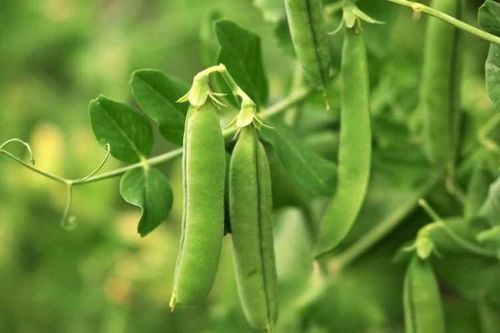
2.2 Beans
Beans are a fiber-rich food well-known for their excellent cardiovascular health benefits. Consuming fiber-rich foods like beans is essential for preventing atherosclerosis.
Moreover, beans help regulate cholesterol levels, significantly reducing the risk of arterial blockage. Numerous studies have demonstrated that eating beans can lower LDL cholesterol levels in the body.
A recent review found that a diet including approximately 130 grams of beans (equivalent to one serving) daily can balance LDL cholesterol levels. Additionally, increasing bean intake can improve arterial function, reduce blood pressure, and prevent the risk of type 2 diabetes. These factors are the leading causes of atherosclerosis.
2.3 Fish
Fish is considered a nutrient-rich food source, particularly high in omega-3 fatty acids. Nutrition experts recommend consuming omega-3-rich fish to prevent arterial blockage.
Some studies indicate that omega-3 fatty acids help reduce the presence of cell adhesion molecules—proteins that cause cells to stick to each other and their surroundings. Our bodies release cell adhesion molecules in response to inflammation. This is also a driving force behind the clogging of arteries.
Furthermore, regular fish consumption reduces the risk of atherosclerosis. In a study of 900 individuals, those who consumed less than one serving of fish per week were compared with those who ate more than two servings per week. The results showed that approximately 13.3% of the less frequent fish consumers had carotid artery atherosclerosis leading to the brain, while only about 6.6% of the regular fish consumers experienced this condition.
2.4 Tomatoes and Tomato Products
Tomatoes and tomato products contain various plant compounds that are especially useful in reducing the development of atherosclerosis. Tomatoes are rich in the carotenoid pigment lycopene, which provides several impressive health benefits.
Recent studies have shown that consuming tomatoes and lycopene-rich tomato products can help reduce inflammation, increase HDL cholesterol levels, and lower the risk of heart disease. Notably, combining cooked tomatoes with olive oil can create a dish that helps prevent and combat the risk of arterial blockage. This combination can also reduce the adhesion of inflammatory molecules and proteins. Most tomato preparations increase HDL cholesterol levels and reduce total cholesterol in the body.
2.5 Onions
Onions belong to the Allium genus and offer numerous health benefits. Research indicates that a diet rich in onions can help protect arteries from blockage and reduce mortality rates associated with atherosclerosis.
Additionally, onions contain sulfur compounds that help prevent vascular inflammation, inhibit platelet aggregation, and increase nitric oxide production in the body.
These benefits of onions help protect against atherosclerosis and improve cardiovascular health.
2.6 Citrus Fruits
Citrus fruits are not only delicious but also provide a variety of essential vitamins, minerals, and antioxidants, including flavonoids.
Flavonoids in citrus fruits effectively reduce inflammation and help prevent free radicals in the body from oxidizing LDL cholesterol. Oxidized LDL promotes the development and progression of atherosclerosis. This is why consuming plenty of citrus fruits can help reduce the risk of heart disease and stroke—two conditions closely related to atherosclerosis.
2.7 Spices
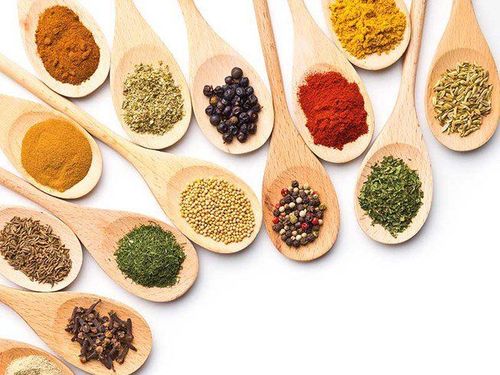
Most spices, including black pepper, ginger, cinnamon, and chili peppers, can help protect arteries from blockage. These spices have anti-inflammatory properties, help eliminate free radicals, reduce platelet aggregation, and improve blood lipid levels.
You can easily increase your spice intake by adding them to various foods in your daily meals, such as soups, oatmeal, or stews.
2.8 Flaxseeds
Flaxseeds may be small, but they are packed with fiber, vitamins, minerals (such as calcium and magnesium), and other healthy fats. In addition to their high nutritional value, flaxseeds also play a beneficial role in preventing atherosclerosis.
A recent study found that feeding flax seeds to rabbits reduced arterial plaque formation by up to 40%.
Flaxseeds also contain high levels of secoisolariciresinol diglucoside (SDG), an anti-inflammatory lignan compound that helps reduce LDL cholesterol and possesses anti-atherosclerotic properties.
2.9 Cruciferous Vegetables
You should include more cruciferous vegetables, such as cabbage, broccoli, and cauliflower, in your daily diet to reduce the risk of developing arterial blockage.
A study of 1,500 women showed that consuming cruciferous vegetables could help reduce the average thickness of the arterial wall (CIMT). Additionally, consuming these vegetables can reduce arterial calcification and the risk of death from atherosclerosis-related conditions. Arterial calcification can lead to arterial hardening.
2.10 Beets
Beets are a rich source of nitrates, which the body converts into nitric oxide—a signaling molecule that plays many vital roles in the body.
Vascular inflammation significantly reduces the body's ability to produce nitric oxide. Therefore, consuming nitrate-rich foods like beets can help improve vascular function and effectively reduce inflammation, thereby preventing atherosclerosis.
2.11 Oats
Oats are an excellent choice for individuals with atherosclerosis or those looking to reduce the risk of arterial blockage.
Nutrition experts suggest that regular oat consumption significantly reduces atherosclerosis risk factors, including high levels of LDL cholesterol in the blood.
Additionally, oats contain the antioxidant avenanthramides, which inhibit the inflammatory cytokine proteins and prevent molecular adhesion. This effectively helps prevent atherosclerosis.
Moreover, consuming fiber-rich oat bran can benefit various health aspects. A study of 700 individuals with coronary artery disease showed that patients who regularly consumed oat-derived fiber had lower LDL cholesterol levels and fewer inflammatory markers than those who did not supplement with oat fiber.
Furthermore, the fiber content in oats is considered beneficial in reducing the risk of revascularization—a procedure to increase oxygen delivery to the heart and other body parts. This procedure may be necessary for individuals whose blood flow is obstructed by atherosclerosis.
2.12 Nuts
Nuts are also considered a rich source of essential nutrients, including fiber, protein, healthy fats, vitamins, and minerals. Moreover, these small yet versatile foods can help prevent arterial blockage.
Research has shown that consuming nuts contributes to lowering LDL cholesterol and high blood pressure levels while increasing the level of good HDL cholesterol in the body.
Additionally, regular nut consumption helps reduce blood sugar levels and combat diabetes—a risk factor closely associated with atherosclerosis. Furthermore, nuts play a beneficial role in improving vascular function and preventing heart disease.
2.13 Leafy Green Vegetables
Leafy green vegetables such as kale, lettuce, Swiss chard, spinach, and arugula are excellent sources of nutrients that help protect against atherosclerosis.
These vegetables are generally rich in nitrates, which improve inflammation and vascular function. They are also high in potassium, a mineral that prevents vascular calcification—one of the contributing factors to atherosclerosis.
Moreover, various studies have indicated that consuming leafy green vegetables is an excellent way to reduce the risk of heart disease by up to 15.8%.
2.14 Cocoa and Dark Chocolate
Cocoa and dark chocolate products are not only delicious but also have remarkable effects in preventing arterial blockage.
Studies have shown that consuming dark chocolate can reduce risk factors for stroke, diabetes, and heart disease. Additionally, some cocoa and dark chocolate products are rich in polyphenol plant compounds, which enhance nitric oxide production and reduce arterial inflammation, improving physical function in individuals with atherosclerosis.
Furthermore, some trials have indicated that consuming approximately 40 grams of dark chocolate can significantly enhance exercise performance and increase blood nitric oxide levels compared to consuming milk chocolate.
2.15 Olive Oil
Olive oil has long been recognized for its significant ability to improve cardiovascular health. It also helps reduce the risk of atherosclerosis.
A study conducted on 80 individuals with coronary artery atherosclerosis found that consuming around 30 ml of olive oil per day significantly improved vascular function and reduced markers of inflammation.
Moreover, olive oil helps lower the risk of heart disease and its associated dangerous complications. It is recommended to use extra virgin olive oil instead of refined olive oil, as it contains a much higher polyphenol content.
To arrange an appointment, please call HOTLINE or make your reservation directly HERE. You may also download the MyVinmec app to schedule appointments faster and manage your reservations more conveniently.
Reference source: healthline.com
To arrange an appointment, please call HOTLINE or make your reservation directly HERE. You may also download the MyVinmec app to schedule appointments faster and manage your reservations more conveniently.