Children's development is assessed by many different criteria. Which, physical development is often assessed by two indicators: height and weight. So Is it normal for a 19-20 month old baby to weigh 10-11kg?
1. How much does a 20 month old baby weigh?
A 20 month old baby is in the stage of both physical and intellectual development, along with innocent expressions and emotions clearly shown on the face.
The life of a 20 month old baby is often very noisy and busy because the baby wants to explore everything around in his way. This is also the time when you need to keep an eye on your baby's development in terms of psychology, nutrition, and health care as well as meeting the baby's safe play needs.
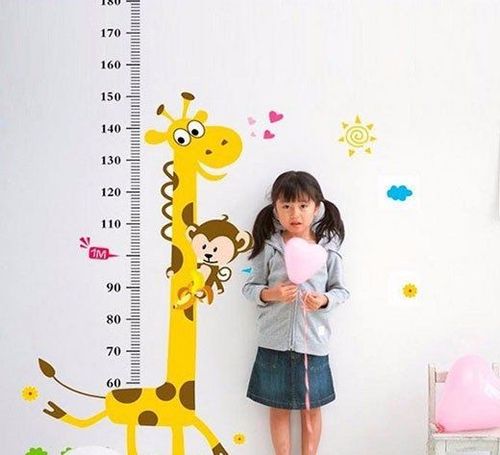
Monitoring your baby's height and weight every month is an important task to help parents recognize their baby's health and physical condition. According to the standard height and weight chart for children according to the World Health Organization (WHO), the weight standard for a 20-month-old baby is as follows:
The weight standard for a 20-month-old girl is:
• Malnutrition: If the weight is under 8.5kg.
• Risk of malnutrition: If the weight is under 9.4kg.
• Normal: Weight about 10.6kg.
• Risk of obesity: If the weight is over 12.1kg.
• Obesity: If the weight is over 13.5kg.
The weight standard for a 20 month-old boy is:
• Malnutrition: If the weight is under 9.2kg.
• Risk of malnutrition: If the weight is under 10.1kg.
• Normal: Weight about 11.3kg.
• Risk of obesity: If the weight is over 12.7kg.
• Obesity: If the weight is over 14kg.
So, a 20 month-old baby weighing 10kg and the baby is a girl has a normal weight according to the standards of the World Health Organization. If the baby is a 20-month-old boy who weighs only 10-11kg, the baby is at risk of malnutrition or is normal depending on the exact weight of the baby. To be sure, you need to take the baby to the doctor for an accurate assessment and receive specific advice from a nutritionist.
2. What can a 20 month-old do?
20 month-olds are still developing their physical, language and emotional skills. Here are some changes in 20-month-olds:
2.1 Motor development
A 20-month-old baby weighing 10kg often likes to walk around on his own without help or holding an adult's hand. He is interested in controlling the rolling ball, although he cannot yet pass the ball accurately. He also likes to caress his favorite toys.
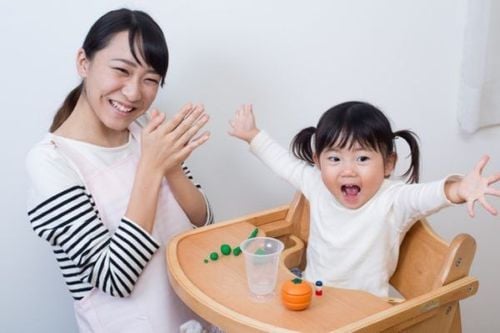
The expressions on his face are very clear. He will show a bright face, with his hands clapping repeatedly or his limbs waving wildly to show joy; he can also show a gloomy face, less activity... when he is sad.
2.2. Language Development
A 20 month-old baby weighing 9kg is still in the process of continuing to develop his speaking skills. At this time, he can say a sentence of 4-5 words, however, his sentences are often difficult to understand, clumsy and difficult to hear.
If your 20 month-old baby cannot speak yet, this is a problem that shows that he may have a language development problem. In these cases, you should take him to see a specialist for examination.
2.3. Cognitive and emotional development
At the age of 19 - 20 months, your baby often shows anxiety and fear when his parents or relatives are not around. Children may have reactions such as crying, rolling on the floor, screaming or hitting or biting others when their toys are taken away or they do not like something.
In addition, 20 month-old children also love to chat with their parents, so try to balance work and childcare.
3. What should a 20 month-old eat?
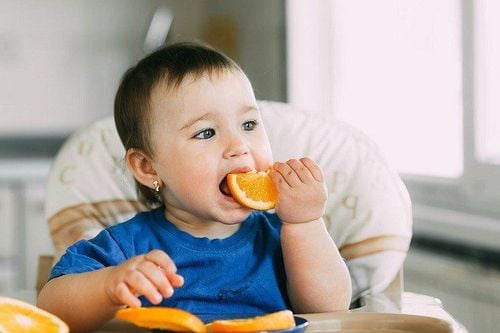
A 20 month-old child still needs to eat 3 main meals a day, plus 2 snacks. At this stage, children can eat many different types of food, including Green vegetables, meat, fish, eggs, milk, fruit, etc.
You can design a menu for a 20 month-old child similar to other family members, the only difference is that the child's food portions will be smaller than everyone else.
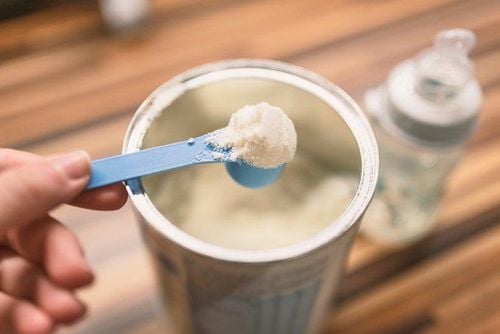
In addition, you should also note that toddlers are often very susceptible to calcium, iron and fiber deficiencies in their bodies. Therefore, in addition to dairy products, you should prioritize giving your child foods rich in these nutrients such as beef, tofu, broccoli or other dark green vegetables.

4. Sleep of 20 month-old babies
The total sleep time of a 20 month-old baby is about 13 hours/day, at night the baby will sleep from 10 - 12 hours and the baby often has an additional short nap during the day.
If you have not let your baby sleep in a bed at month 19, when the baby enter the 20th month, you should move your baby from the crib to the bed when sleeping. You should lower the mattress as low as possible to ensure the safety of the baby.
Some babies at this stage will have light sleep or refuse to go to bed on time. Therefore, you should try to build a habit of sleeping on time for your baby and set limits between play time and sleep time to help your baby sleep well.
5. How to educate a 20 month-old baby through activities
If you think that children under 2 years old do not understand the words of adults, you are completely wrong. You can already educate your child when they begin to develop cognitively. Here are some things you can do to help your 20 month-old develop better:
• Teach your child to read early: Reading books or talking to your child every day is a way to help your child develop speaking, memory and imagination skills. For example, when talking to your child, you can ask questions for your child to answer.
• Teach your child to say "thank you" and "sorry": Your 20 month-old is also a good time for you to teach your child how to behave, by teaching him or her to say "thank you" or "sorry". Although your child may not follow your instructions immediately, this is the first step to help your child build a foundation to become a well-behaved and understanding child.
• Teach your child to count: Although your child may not understand what these numbers mean, however, when he or she hears them many times, he or she will memorize the numbers and gradually be able to count in order.
6. How to take care of your 20 month-old child's health
It's never too early to teach your child about personal hygiene. A 20 month-old child can be taught how to use toothpaste to brush their teeth and needs to brush their teeth twice a day.
A 20 month-old child cannot use the toilet yet, so it's appropriate to let your child use a potty at this time. Letting your child sit on the potty when defecating will help your child get used to sitting on the toilet when going to the bathroom later.
Fever, cough, runny nose... can also appear in your child unexpectedly, so you should prepare medicines such as antipyretic drugs or fever-reducing patches,... and use the medicine according to the doctor's instructions or the instructions on the product when taking care of your child. If your child has a high fever, take him to see a doctor.
It can be said that the development of a 20 month-old child is quite special, depending on the physical condition and individual characteristics, each child will have different developments. However, do not worry too much if your child has slower changes than other children. You should monitor your child for a few more months because next month your child may accelerate his or her development faster. Children who do not eat properly are at risk of lacking micronutrients, causing anorexia, slow growth, poor absorption, etc. If you notice the above signs, parents should supplement their children with support products containing lysine, essential micronutrients and vitamins such as zinc, chromium, selenium, and B vitamins to help fully meet the nutritional needs of children. At the same time, these essential vitamins also support digestion, enhance the ability to absorb nutrients, help improve anorexia, and help children eat well.
Please visit Vinmec.com regularly and update useful information to take care of your baby and your family.
To arrange an appointment, please call HOTLINE or make your reservation directly HERE. You may also download the MyVinmec app to schedule appointments faster and manage your reservations more conveniently.
To arrange an appointment, please call HOTLINE or make your reservation directly HERE. You may also download the MyVinmec app to schedule appointments faster and manage your reservations more conveniently.