Protein is a very important nutrient for health. Protein is made up of amino acids, which are linked together to form long chains. Proteins are involved in almost all cellular functions and perform various tasks. So, what are the functions of protein?
1. Growth and maintenance of tissues
The body needs protein to perform growth functions and maintain tissues. However, the proteins in the body are always in a state of continuous change.
Normally, the body breaks down a certain amount of protein to build and repair tissues. But sometimes protein is used more than usual, causing the body's protein supplementation to increase as well.
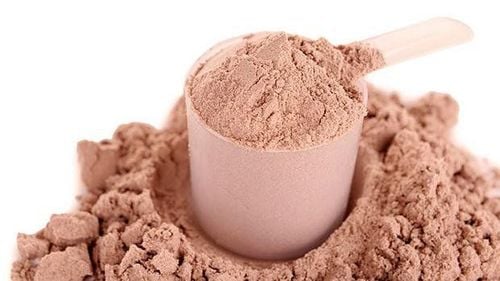
This condition is commonly seen in people who are ill, pregnant women, and breastfeeding mothers. In addition, those recovering from injuries or surgeries, the elderly, and athletes also need to supplement with more protein. These individuals often need the effects of whey protein to supplement their protein intake.
2. Create a biochemical reaction
Proteins produce enzymes, which help facilitate thousands of biochemical reactions occurring inside and outside the cell. The enzyme combines with other molecules inside the cell - called substrates, catalyzing the reactions necessary for the metabolic process.
Some enzymes also function outside the cell, including digestive enzymes such as lactase (which helps break down the milk sugar lactose) and sucrase (which helps hydrolyze sugar). Some enzymes will promote other molecules, such as vitamins or minerals, to facilitate the reaction.
The functions of the body that depend on enzymes include:
- Digestion;
- Energy production;
- Coagulation;
- Muscle spasm.
The condition of enzyme deficiency or enzymes not functioning properly can lead to several diseases.
Cuộc sống hiện đại khiến chúng ta vì quá bận rộn mà quên chăm sóc sức khỏe cho chính mình. Ai cũng biết rằng lịch trình làm việc cả ngày có thể khiến bạn kiệt sức, nhưng cụ thể bận rộn ảnh hưởng thế nào tới sức khỏe? Hãy cùng làm thử bài trắc nghiệm dưới đây.
3. Signal transmission support
Chemically, some proteins are hormones, aiding communication between cells, tissues, and organs. The tissues or endocrine glands produce hormones, which are then transported through the bloodstream to target tissues or organs. Here, the hormone will bind to protein receptors on the cell surface.
Hormones are classified into three main types:
- Protein and peptide: Made up of a few to hundreds of amino acids, linked together in a chain;
- Steroid: Produced by fatty cholesterol. Sex hormones (testosterone and estrogen) are both based on steroids;
- Amin: Formed from individual amino acids tryptophan or tyrosine, helping to form hormones related to sleep and metabolism.
Proteins and polypeptides are the group of hormones that make up a large part of the body, including:
- Insulin: Signal for glucose uptake into cells;
- Glucagon: Signal for breaking down stored glucose in the liver;
- hGH (human growth hormone): Stimulates tissue growth, including bones;
- ADH (antidiuretic hormone): A signal requesting the kidneys to reabsorb water;
- ACTH (adrenocorticotropic hormone): Stimulates the release of cortisol - a key factor in the metabolic process.
4. Shaping the structure of cell tissues
Some protein structures are fibrous, providing rigidity to tissues and cells. These proteins include:
- Keratin: It is a protein structure found in skin, hair, and nails;
- Collagen: It is the most abundant protein structure in the body, forming bones, tendons, ligaments, and skin;
- Elastin: More flexible than collagen by several hundred times. High elasticity allows many tissues in the body to return to their original shape after being stretched or contracted, such as the uterus, lungs, and arteries.
5. Maintain the appropriate pH level
Proteins play an important role in regulating the concentration of acids and bases in the blood and other body fluids. The balance between acid and base is measured by the pH scale. The scale ranges from 0 to 14, with 0 being the strongest acid, 7 being neutral, and 14 being the strongest base.
Examples of the pH values of some common substances are:
- pH 2: Stomach acid;
- pH 4: Tomato juice;
- pH 5: Black coffee;
- pH 7.4: Human blood;
- pH 10: Magnesium milk;
- pH 12: Soap water;.
Many buffering systems help body fluids maintain a normal pH range. This is necessary because even a small change in pH can be harmful or lead to a risk of death.
Some proteins also participate in regulating pH levels, such as hemoglobin - a type of protein that makes up red blood cells. Hemoglobin will bind with a small amount of acid, helping to maintain the normal pH value of human blood.
Other buffering systems in the body include phosphate and bicarbonate.
6. Fluid balance
Proteins regulate bodily processes to maintain fluid balance. For example, albumin and globulin are proteins in the blood that help maintain fluid balance by absorbing and retaining water.
If you do not supplement enough protein, the levels of albumin and globulin in the body will gradually decrease. As a result, blood cannot be retained in the vessels, and fluid accumulates in the spaces between the cells. At this point, swelling or edema will occur, especially in the stomach.
This is a severe form of protein malnutrition, known as Kwashiorkor. This condition occurs when a person consumes enough calories but lacks protein. Kwashiorkor is very rare in developed areas of the world, but common in impoverished regions. Patients may need the effects of whey protein to supplement protein.

7. Immune health
Protein helps form immunoglobulins, also known as antibodies, to fight against infections. Antibodies are proteins in the blood that help protect the body from harmful "invaders" such as bacteria and viruses.
When foreign factors invade the cells, the body will produce antibodies to destroy them. If there are no antibodies, bacteria and viruses will multiply freely and gradually overwhelm the body, causing infections.
Once antibodies against a specific type of bacteria or virus have been created, the cells will automatically remember this mechanism. Thanks to this, antibodies will react faster when an old pathogen re-enters your body. Therefore, the body has immunity, fighting diseases it has previously encountered.
8. Transport and storage of nutrients
Through the bloodstream, proteins transport nutrients in and out of cells, such as vitamins or minerals, glucose, cholesterol, and oxygen.
For example, hemoglobin is a type of protein that carries oxygen from the lungs to the body's tissues. The glucose transporter (GLUT) carries sugar to the cells, just as lipoproteins transport cholesterol and other fats in the blood.
Each transport protein is specific, only binding to specific substances. In other words, a glucose transport protein will not be able to perform the task of moving cholesterol.
Additionally, proteins also play a storage role, such as ferritin which helps store iron. Another type of storage protein is casein, which is mainly found in milk and helps infants grow.

9. Energy supply
Protein can also provide energy for the body. Each gram of protein contains 4 calories, equivalent to the energy provided by carbs. Meanwhile, fat provides the most energy, at 9 calories per gram.
However, protein is the last substance the body wants to use for energy. The reason is that protein has to participate in many other functions throughout the body. Therefore, the body will prioritize storing carbs and fats to use as fuel, creating a source of energy for activity. Furthermore, carbohydrates and fats that have been metabolized are also more efficient than proteins.
In fact, protein provides very little energy to the body under normal circumstances. However, in a fasting state (18 - 48 hours without carbs and fats), the body will break down muscle tissue so that amino acids can provide alternative energy.
The body also uses amino acids from muscle tissue if carbohydrate reserves are low. This phenomenon occurs after you exercise at high intensity or when you do not consume enough calories.
Protein plays many roles in the body, helping to repair and build tissues, as well as promoting metabolic reactions. In addition to providing structural support for the body, proteins also maintain proper pH and fluid balance. Finally, the structure of proteins keeps the immune system strong, helps transport and store nutrients, and even becomes an emergency energy source when the body needs it. All these functions make protein very important for health.
To enhance the quality of examination and treatment services, Vinmec International General Hospital has implemented a system of modern, standard-compliant equipment to operate medical examination and treatment procedures. Especially at Vinmec, there is always a team of doctors and nurses ready to listen, advise, and treat various diseases, as well as provide guidance on nutrition and food suitable for children, adults, and the elderly.
Customers can directly visit the Vinmec Healthcare system nationwide for examinations or contact the hotline here for assistance.
Reference source: healthline.com
To arrange an appointment, please call HOTLINE or make your reservation directly HERE. You may also download the MyVinmec app to schedule appointments faster and manage your reservations more conveniently.