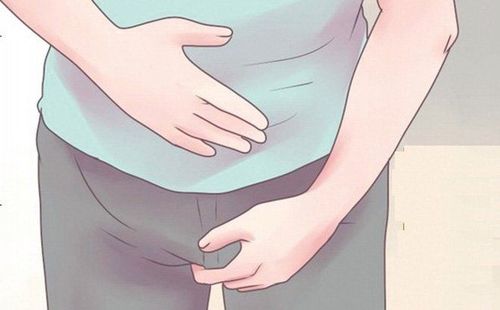
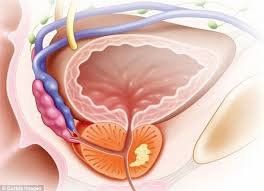
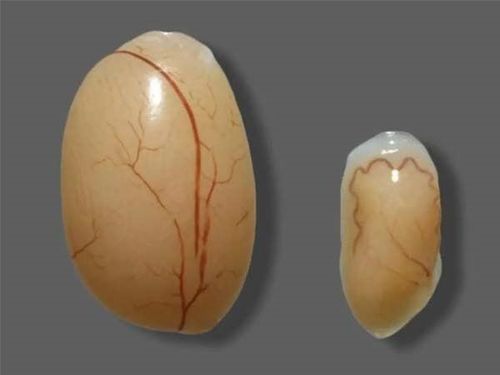
The scrotum is a pouch that contains two testicles. Testicular swelling is a common issue in newborns or male children. Swollen testicles can have various causes and are usually classified into two types: non-painful and painful swelling.
1. What is testicular swelling in children?
The scrotum is a pouch that holds two testicles. Swelling of the scrotum, or testicular swelling, is a common issue in newborns or boys. Testicular swelling in children can arise from many reasons and can be categorized into non-painful and painful swelling.
2. Causes of testicular swelling in children
If a baby’s testicles are swollen immediately after birth, it is likely due to the fluid and additional hormones that the newborn may receive from the mother. This swelling is harmless, and the fluid will typically dissipate through urination within a few days. If the swelling persists, particularly if one testicle is affected, the child may have developed a hydrocele, where fluid from the abdomen accumulates around one testicle, or it could be an inguinal hernia, where a loop of intestine descends into the scrotum.
When one of the baby’s testicles is swollen, it may also be due to a condition called hydrocele. Testicles develop inside the abdomen when the baby is still in the mother’s womb. Sometimes before birth, they pass through a canal in the tissue between the groin and abdomen before descending into the scrotum. At that point, the passage through the abdominal wall should close. If it remains open (which occurs in about 50% of boys), fluid can accumulate around the testicle, leading to swelling. This soft, round area of swelling is known as hydrocele; it is completely harmless and often resolves by the time the child turns one. If it does not resolve, the child may need a minor surgical procedure to remove the excess fluid and close the opening.
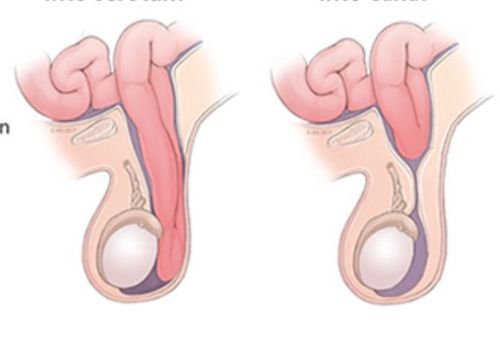
Another condition that can cause one testicle to swell is an inguinal hernia. This is a serious issue that requires medical intervention. In fact, around 4% of boys (increasing to 30% in premature births) are born with a sufficiently large defect in the abdominal wall for a loop of intestine to protrude into the genital area. This loop creates a firm, elongated mass about the size of a thumb inside the baby’s scrotum (a loose skin pouch beneath the penis that contains the testicles). This mass is called an inguinal hernia. The intestine may retract back into the abdominal cavity when the baby is relaxed, swelling again when the baby is active or crying. In such cases, the baby will need minor surgery to address the hernia. However, this is not an emergency unless the parents notice sudden changes such as the swelling enlarging, becoming firmer, darker, or if the baby frequently vomits or exhibits crying due to pain. This could be a sign of the intestine becoming trapped in the scrotum, cutting off its blood and nutrient supply. If this occurs, the child requires immediate surgery to minimize potential damage related to the intestine.
3. Symptoms and Diagnosis of Testicular Swelling in Children
The symptoms of testicular swelling vary depending on the underlying cause. In addition to swelling, the child may experience pain or other symptoms. Parents should take the child to a medical facility for proper diagnosis and treatment.
To diagnose testicular swelling in children, doctors will gather information on the symptoms and health history of the child, as well as family health history. They will also perform a physical examination, including examining the abdomen, scrotum, and testicles. Some tests, particularly a urine test, may be ordered to check for infections. Additionally, imaging studies may be used if necessary.
4. Treatment of Testicular Swelling in Children
Treatment for testicular swelling depends on the symptoms, the child's age, and overall health, as well as the severity of the swelling. Treatment may include several approaches:
• Surgery: For children with testicular torsion, they will be urgently indicated for surgery to restore the testicle to its normal state. Additionally, surgery is necessary if there is severe trauma to the scrotum and testicles. Furthermore, children need urgent surgery if the hernia is trapped or strangulated. In cases where the hernia is not trapped, doctors typically recommend elective surgery. Orchiectomy is also indicated in cases of testicular cancer.
• Medication: If a child has a bacterial infection, antibiotics will be prescribed. Testicular cancer in boys usually responds well to various cancer treatment drugs. However, in many cases, radiation therapy may still need to be applied.
• Monitoring Over Time: Children may not require treatment for some minor injuries such as mild trauma, mumps, small hernias, hydrocele, idiopathic swelling, or Henoch-Schönlein purpura. Most of these conditions are monitored to see if the symptoms resolve on their own. Doctors may occasionally prescribe certain pain relief and anti-inflammatory medications while monitoring these conditions.
Doctors will also provide all necessary information to parents regarding the risks, benefits, and possible side effects of all the aforementioned treatment methods.

5. Complications of Swelling in Children’s Testicles:
If not treated properly and promptly, varicocele over time can lead to permanent testicular damage and make it impossible for children to conceive when they grow up. Sudden and serious causes of testicular swelling, such as testicular torsion, need to be surgically addressed immediately within a few hours; otherwise, the testicle may cease to function permanently.
In the following cases, parents should take their children to medical facilities as soon as possible, including:
- Persistent scrotal swelling and pain that doesn't subside
- Pain from testicular trauma lasting over an hour
- Symptoms not improving, or even worsening
- The occurrence of new symptoms
- Severe and sudden onset of testicular or scrotal swelling is a medical emergency and needs immediate intervention.
Swelling of the testicles or scrotum is a common health issue in newborns and young boys. It can occur rapidly or gradually over time. Testicular swelling in children can be caused by many factors. In some cases, it may not require treatment and can simply be monitored for a certain period, resolving on its own. In other cases, the child may need medication treatment and even require surgical intervention.
Children between the ages of 6 months and 3 years are particularly susceptible to respiratory problems, respiratory infections, skin diseases, and gastrointestinal infections. Parents should pay special attention to caring for and providing adequate nutrition for their children.
To arrange an appointment, please call HOTLINE or make your reservation directly HERE. You may also download the MyVinmec app to schedule appointments faster and manage your reservations more conveniently.