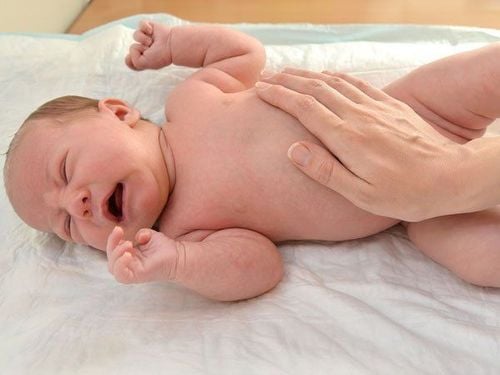
During the growth phase, children often experience muscle cramps and calf pain. This can be a normal occurrence or a warning sign of underlying health issues that parents should be particularly attentive to.
1. What Are Muscle Cramps?
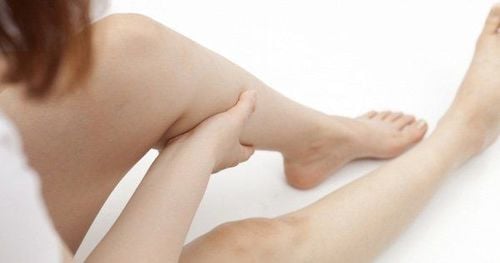
Muscle cramps are sudden, involuntary contractions of muscles. When a cramp occurs, the affected muscle tightens intensely, causing pain and temporary immobility, lasting from a few seconds to several minutes. Cramps can affect any muscle but are most commonly seen in the calves (between the knee and ankle), thighs, hips, feet, hands, and abdominal muscles. They often occur during sleep, upon waking, or while engaging in physical activity.
Muscle cramps can happen at any age but are more common in adolescents undergoing puberty and in elderly individuals over 60. Additionally, people who engage in high-intensity sports or physical activities are more prone to cramps.
2. Be Aware of the Causes of Muscle Cramps in Children
Children going through puberty are at a higher risk of experiencing muscle cramps compared to other age groups. Common causes include:
2.1 Physiological Causes
• Overexertion: This is the most common cause of muscle cramps. During daily activities, if a child overexerts themselves, their muscles may become fatigued or even sustain minor injuries. Excessive movement can deplete glycogen stores in the liver, and if not replenished promptly, cramps may occur.
• Nutrient Deficiency: Essential minerals like calcium, potassium, and magnesium play a crucial role in maintaining normal muscle function. A deficiency in these minerals can lead to an electrolyte imbalance, increasing the likelihood of cramps.
• Overactive Neuromuscular System: If a child remains in one position for too long—such as standing, sitting, or kneeling—their muscles and blood vessels may become compressed. Since leg muscles are relatively short, sleeping with bent legs for an extended period without stretching can also trigger cramps. Additionally, failing to warm up properly before engaging in sports such as running, swimming, or soccer can make children more prone to cramping.
• Electrolyte Imbalance: Excessive sweating from physical activity without adequate fluid replacement can lead to dehydration and an imbalance of electrolytes, which contributes to cramping. Furthermore, consuming too little water or drinking excessive amounts of caffeine or diuretic teas can cause dehydration, leading to nighttime cramps.
• Prolonged Stress: Growing children often face stress related to academics, family relationships, and friendships. Chronic stress can disrupt hormonal balance, increasing heart rate and blood pressure, which may contribute to muscle cramps.
2.2 Pathological Causes
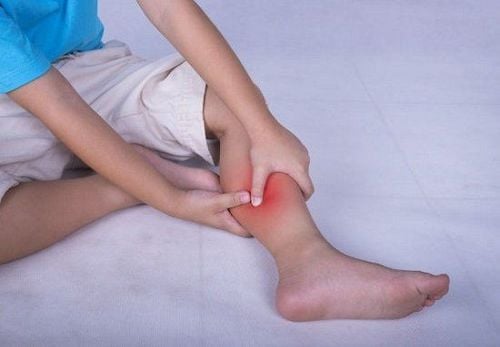
Children experiencing bone and joint pain or frequent muscle cramps may be showing signs of an underlying medical condition. For example, nighttime cramps could indicate venous insufficiency in the legs. Additionally, hypothyroidism is another potential cause of muscle cramps in growing children.
3. Treatment and Prevention of Muscle Cramps in Growing Children
Normally, muscle cramps are short-lived and do not cause serious consequences. However, in critical situations such as swimming or driving, cramps can lead to accidents, even fatal ones. Therefore, parents should teach children how to manage and prevent cramps effectively.
3.1 Managing Muscle Cramps
When a muscle cramp occurs, children should gently massage the affected muscle. If the cramp is in the calf, they should gradually stretch the muscle and repeat the motion. If the cramp is in the thigh, another person can assist by straightening the leg—lifting the heel with one hand and pressing down on the knee with the other. For ribcage cramps, deep and steady breathing can help relax the diaphragm, while gently massaging the muscles around the chest.
Additionally, children who frequently experience cramps may find relief by taking a warm bath to relax their muscles. Before bed, riding a bike leisurely for 5–10 minutes can help. If cramps are persistent, wearing compression stockings can prevent blood pooling in the veins of the lower limbs. Some medications may also be recommended by a doctor to treat muscle cramps.

3.2 Ways to Prevent Muscle Cramps
Children who frequently experience muscle cramps can consider the following preventive measures:
• Drink enough water before, during, and after exercise, as well as before bedtime at night.
• Warm up properly before exercising and relax the muscles after workouts.
• Stretch the legs in the morning after waking up and in the evening before going to bed.
• When sitting, flex the feet toward the knees as much as possible to facilitate blood circulation in the calves.
• Ensure a well-balanced diet with essential nutrients. If a child is deficient in calcium, supplementation may be recommended by a doctor. Additionally, incorporating calcium-rich foods such as eggs, milk, shrimp, crab, and fish into the diet is beneficial.
Frequent muscle cramps in children may be caused by physiological factors or could indicate an underlying medical condition. If the cramps persist despite following these preventive measures, parents should take their child to a doctor as soon as possible to determine the cause and receive appropriate treatment.
To arrange an appointment, please call HOTLINE or make your reservation directly HERE. You may also download the MyVinmec app to schedule appointments faster and manage your reservations more conveniently.