The article has been professionally reviewed by Master’s Degree Holder, Doctor Lê Nhất Nguyên – Department of Obstetrics and Gynecology, Vinmec Da Nang International General Hospital.
If you experience difficulty urinating or pain while urinating within the first 24 hours after giving birth, this may be a sign of a postpartum condition that many new mothers face—postpartum urinary tract infection. So, what causes postpartum urinary tract infections, and what are the risks of postpartum infections?
1. What is Postpartum Urinary Tract Infection?
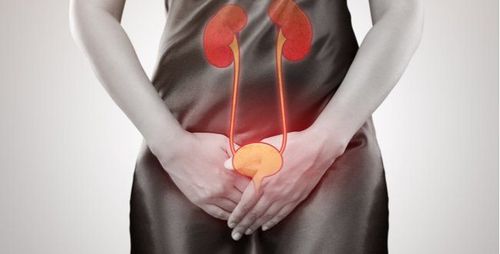
The female urethra is shorter (4 cm) compared to the male urethra (20 cm), making it easier for bacteria to spread from the urethra to the bladder and kidneys. As a result, urinary tract infections (UTIs) are more common in women than in men. Additionally, pregnancy further increases a woman's susceptibility to infections.
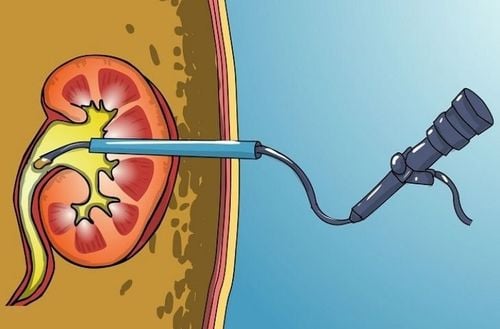
A urinary tract infection is defined as an infection of the bladder and urethral lining. UTIs occur when harmful bacteria enter the urinary tract through the urethra, leading to infection. In some cases, bacteria can travel up to the kidneys, resulting in a kidney infection.
The pelvic floor muscles help keep the urethra closed to prevent urine leakage. During labor, these muscles, along with ligaments, nerves, and lower abdominal muscles, work excessively. This overuse during childbirth can cause injury or trauma to these muscles and ligaments. As a result, women may have difficulty controlling their urination after labor. Pregnancy can also lead to a loss of bladder muscle tone, making it harder for women to completely empty their bladder. This increases the likelihood of urine flowing back into the ureters. The longer urine stays in the urinary tract, the greater the chance for bacteria to multiply, raising the risk of infection.
2. Signs and Symptoms of Postpartum Bladder and Kidney Infections
Bladder and kidney infections often cause pain or frequent urination. Some bladder infections and most kidney infections may also cause fever. A kidney infection can lead to lower back or flank pain, along with discomfort or a general feeling of illness.
Additionally, individuals with a urinary tract infection may experience symptoms such as:
- Feeling the urge to urinate but passing only a small amount of urine
- More frequent urination
- A burning sensation while urinating
- Foul-smelling urine
Experts recommend that to prevent urinary tract infections after both vaginal delivery and C-section, mothers should urinate within six to eight hours after giving birth. This helps prevent UTIs and reduces the risk of any damage or bleeding that may occur if the bladder becomes overly full.
After childbirth, a nurse or midwife may measure your urine output or check if your bladder feels distended. If your bladder does not function properly after delivery, your doctor may recommend inserting a catheter to drain urine from the bladder. If you continue to have difficulty urinating several days after childbirth, it could be a sign of a urinary tract infection.
Even after returning home, be mindful of any unusual symptoms. If you experience pain while urinating—even after your C-section incision or perineal tears have begun to heal—or if you feel the urge to urinate but only pass a small amount of urine, or if you develop a fever, contact your doctor or seek medical attention as soon as possible.
3. Diagnosis and Treatment of Postpartum Bladder and Kidney Infections
Diagnosis of Postpartum Bladder and Kidney Infections
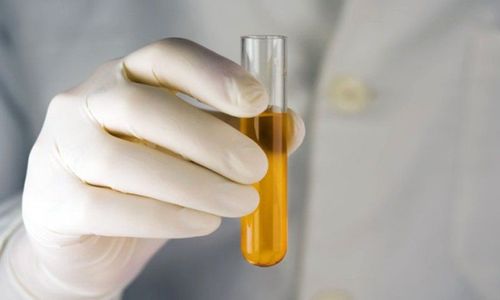
The diagnosis of bladder and kidney infections is usually based on an examination and analysis of a urine sample. In some cases, for patients with kidney and bladder infections, the urine sample may be cultured to identify the specific bacteria causing the infection.
Treatment of Postpartum Bladder and Kidney Infections
Typically, women receive intravenous antibiotics for kidney infections or oral antibiotics for bladder infections.
If there is no evidence that the bladder infection has spread to the kidneys, antibiotics may only be needed for a few days. If a kidney infection is suspected, antibiotics (such as ceftriaxone or ampicillin combined with gentamicin) are administered until the patient has been fever-free for 48 hours. Normally, oral antibiotics are then prescribed for an additional 7 to 14 days. Once culture results are available, the current antibiotic may be switched to a more effective one targeting the specific bacteria present.
Patients are often advised to drink plenty of water to help the kidneys function properly and flush bacteria out of the urinary tract.
A follow-up urine sample is typically cultured 6 to 8 weeks after childbirth to confirm that the infection has been completely treated.

4. Prevention of Postpartum Bladder and Kidney Infections
- Drink plenty of water to help flush bacteria out of the urinary system.
- Consume cranberry juice, which has been scientifically proven to help treat and prevent urinary tract infections by preventing bacteria from adhering to the urethral walls.
- Eat foods rich in vitamin C, as they make urine more acidic, helping the body kill and reduce the number of bacteria in the urinary tract.
- Maintain good hygiene practices: Avoid using tampons and change sanitary pads frequently during menstruation.
- Avoid scented products, creams, or gels around the genital area, as they can increase the risk of urinary tract infections.
- Wear loose-fitting clothing to keep the genital area dry and prevent bacterial growth.
- Practice caution during sexual activity: Urinate soon after intercourse to flush out any bacteria that may have entered the urethra. Additionally, wash the genital area with water after intercourse.
Reference source: msdmanuals.com; whattoexpect.com; medscape.com
To arrange an appointment, please call HOTLINE or make your reservation directly HERE. You may also download the MyVinmec app to schedule appointments faster and manage your reservations more conveniently.