When it comes to weight loss, diet and exercise are key factors. However, certain foods can support your weight loss goals by curbing appetite and providing essential nutrients. In addition to maintaining a healthy diet and an active lifestyle, chia seeds may help facilitate weight loss by promoting satiety and delivering valuable nutrients.
1. What Are Chia Seeds?
Before exploring whether chia seeds aid in weight loss, it is essential to understand their origin. Chia seeds are edible seeds derived from the desert plant Salvia hispanica, which has been cultivated primarily in Mexico since the time of the Maya and Aztec civilizations. The word "chia" means "strength," and historical records suggest that these cultures used these tiny black-and-white seeds as a natural energy booster. Chia seeds are a nutrient-dense food source rich in healthy omega-3 fatty acids, carbohydrates, protein, fiber, antioxidants, and calcium.
Unlike flaxseeds, chia seeds do not require grinding for absorption and can be consumed whole. On average, a 28.3-gram serving of chia seeds contains approximately 139 calories, 4 grams of protein, 9 grams of fat, 12 grams of carbohydrates, and 11 grams of fiber, along with an array of essential vitamins and minerals.
Chia seeds have a mild, nutty flavor, making them easy to incorporate into various dishes and beverages. They can be added to cereals, vegetables, rice dishes, yogurts, smoothies, and baked goods. Additionally, when mixed with water, they form a gel-like consistency, further expanding their culinary applications.

2. Do Chia Seeds Aid in Weight Loss?
Before answering whether consuming chia seeds helps with weight loss, it's important to understand their nutritional composition. Chia seeds are high in fiber, containing approximately 9.75g of fiber and 4.96g of protein per serving. Both fiber and protein contribute to temporary appetite suppression by promoting a feeling of fullness. With only 138 calories per serving, chia seeds are a nutritious, low-calorie option for snacks.
Scientific research on the potential weight loss benefits of chia seeds is still in its early stages. A small 2014 study involving 26 participants examined weight loss in individuals consuming 35g of chia seed powder daily compared to a placebo group. The results showed no significant difference in weight loss between the two groups after 12 weeks. However, researchers noted a more considerable weight reduction among participants who were overweight or obese at the start of the study.
Additionally, participants with abnormal cholesterol levels at the beginning of the study experienced significant improvements after consuming chia seeds. The chia powder helped lower total cholesterol levels while increasing high-density lipoprotein (HDL), commonly known as "good cholesterol."
Another study investigated whether chia seeds promote weight loss in individuals with type 2 diabetes. This research included 77 overweight and obese participants, all of whom followed a calorie-restricted diet for six months. One group consumed chia seeds daily, while the other consumed an oat bran-based control food. Participants who did not consume chia seeds lost an average of 0.3 kg, whereas those who consumed chia seeds lost an average of 1.9 kg. The chia seed group also experienced a significantly greater reduction in waist circumference compared to the control group.
These studies suggest that chia seeds alone do not directly lead to significant weight loss. However, they may support weight loss efforts when combined with a calorie-controlled diet.
Despite these promising findings, more extensive and well-designed studies are necessary to confirm chia seeds' impact on weight loss and overall health.
3. Health Benefits of Chia Seeds
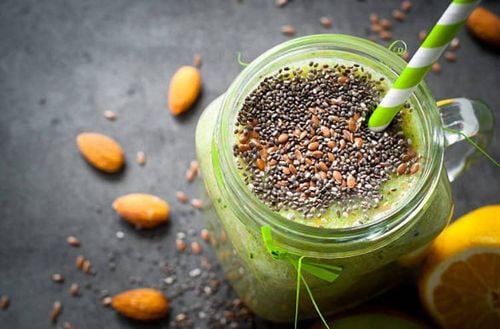
Organic chia seeds contain a variety of nutrients beneficial to health. A single serving of approximately 28.3 grams provides the following minerals:
- 179 mg of calcium
- 95 mg of magnesium
- 2.19 mg of iron
- 115 mg of potassium
Chia seeds are also rich in antioxidants and serve as an excellent source of omega-3 fatty acids. Research has linked omega-3 consumption to a reduced risk of depression, inflammatory bowel disease, and childhood allergies. Additionally, these fatty acids may significantly lower the risk of heart disease.
While studies on the potential health benefits of chia seeds are still in their early stages, ongoing clinical trials aim to provide more conclusive results.
Current research suggests that chia seeds may offer the following health benefits:
- Anti-inflammatory properties due to their high antioxidant content
- Better blood sugar regulation, which may help manage diabetes
- Improved digestion and relief from constipation
- Lower blood pressure
- Blood-thinning effects due to omega-3 content, potentially preventing clot formation
- Enhanced cholesterol levels
4. Potential Risks of Chia Seeds
Chia seeds are generally considered safe for most people and rarely cause significant side effects. However, their high fiber content may lead to digestive issues in individuals sensitive to fiber. Additionally, their rich omega-3 content can have a blood-thinning effect.
While this may help lower blood pressure and support heart health, it also increases the risk of excessive bleeding. Therefore, individuals taking blood thinners or those with bleeding disorders should avoid chia seeds or at least consult a doctor before incorporating them into their diet.
Some individuals may also develop an allergic reaction to chia seeds, though this is rare. If you experience any unusual symptoms after consuming chia seeds, discontinue use immediately and seek medical attention if necessary.
5. How to Incorporate Chia Seeds into Your Diet?
How should chia seeds be used? If you are not familiar with consuming chia seeds, you can start with small amounts using these simple methods:
- Blend chia seeds into smoothies for a nutritious morning drink.
- Sprinkle them over salads or mixed greens for added texture and nutrients.
- Cook with chia seeds by incorporating them into soups, stews, or baked goods.
- Make chia seed water by soaking them in water for 20–30 minutes. You can mix them with honey, lemon, or fruit juice for added flavor.
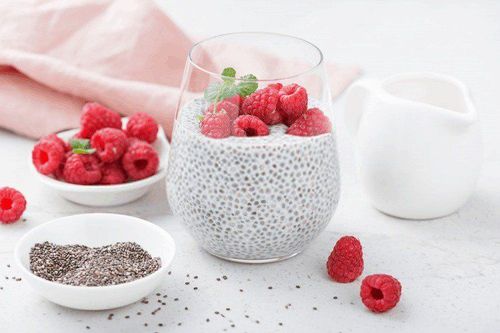
- Prepare chia pudding by soaking the seeds in milk or yogurt overnight until they thicken. Adding honey, fresh, or dried fruits can make it a delicious and healthy breakfast.
The nutritional benefits of chia seeds are undeniable, but they should be consumed properly and by the right individuals to achieve the best health outcomes. If you are unsure whether to incorporate chia seeds into your daily diet, you may consult medical professionals at Vinmec International General Hospital for expert advice.
Read more:
- How to eat chia seeds? Can they be mixed with yogurt or oatmeal?
- Should pregnant women eat chia seeds?
To arrange an appointment, please call HOTLINE or make your reservation directly HERE. You may also download the MyVinmec app to schedule appointments faster and manage your reservations more conveniently.