Supplementing the diet with seven foods that help reduce uterine fibroids can assist patients in alleviating issues related to fibroids and improving overall health.
This article was written under the guidance of Dr. Nguyen Thi Han, a specialist in Obstetrics and Gynecology, at the Women’s Health Center - Vinmec Times City International General Hospital.
1. The relationship between diet and fibroids
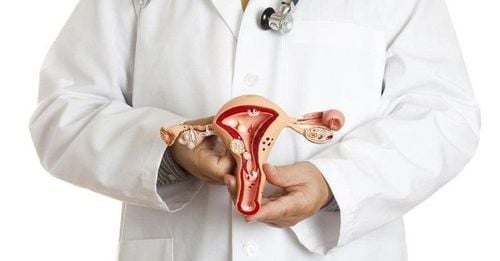
Uterine fibroids, also known as myomas or leiomyomas, are abnormal growths of tissue and cells within the uterus. These fibroid tumors may form inside or around the uterus.
A person may develop one or multiple fibroids. Research suggests that approximately 80% of women face this pathological issue. The causes of uterine fibroids may include genetic factors, with an increased risk of occurrence if the mother or sister has experienced this condition.

Scientific dietary practices can help reduce the risk of developing uterine fibroids. Uterine fibroids can lead to symptoms and complications such as pain, heavy menstrual bleeding, constipation, anemia, difficulties in conceiving, and miscarriage. However, only about 20% to 50% of women diagnosed with uterine fibroids report experiencing symptoms. Although these tumors are mostly benign and do not pose significant health hazards, in some cases, they may lead to complications necessitating surgical removal.
While no specific food can treat or prevent uterine fibroids, a dietary regimen incorporating seven foods that aid in shrinking fibroids, along with maintaining a healthy lifestyle, can help patients alleviate fibroid symptoms.
2. Dietary patterns and lifestyle changes to shrink fibroids
2.1 Mediterranean diet
The Mediterranean diet is a nutritional approach widely adopted for dieting, weight loss, and fat reduction. To implement this diet, it is essential to increase the intake of leafy greens, fresh fruits, legumes, and fish in daily meals.
Several studies have indicated that following the Mediterranean diet may reduce the risk of developing uterine fibroids. Conversely, consuming foods such as beef, ham, lamb, and other red meats may elevate the risk of this condition.
The Mediterranean diet emphasizes the consumption of nutrient-dense and low-saturated-fat foods, particularly from animal sources. Instead of red meat, this diet advocates for the consumption of fish and legumes, which provide plant-based proteins and omega-3 fatty acids beneficial for cardiovascular health and the reduction of uterine fibroid risk.
2.2 Limiting alcohol consumption
Alcohol consumption may increase the risk of developing uterine fibroids as alcoholic beverages can lead to inflammation. Research has shown that women who consume one or more beers daily may face a risk increase of up to 50% for uterine fibroids. Therefore, limiting alcohol intake while enhancing the incorporation of seven foods that aid in shrinking fibroids will support patients in effectively managing their condition.
2.3 Balancing estrogen levels
Estrogen is a critical hormone for reproductive health in both women and men. Nevertheless, excess estrogen may elevate the risk of developing uterine fibroids. To achieve estrogen balance, the following measures may be implemented:
• Weight loss: Obesity and being overweight increase the risk of developing uterine fibroids. Adipose tissue produces more estrogen; thus, weight loss can help prevent or slow the growth of fibroids.
• Avoiding hormone-disrupting chemicals: Natural and synthetic chemicals can lead to hormonal imbalance, resulting in elevated estrogen levels. These chemicals may be absorbed through the skin and food, and avoiding exposure can help maintain hormonal balance.
2.4 Managing hypertension
Research has shown that women with uterine fibroids frequently have an increased risk of hypertension. This is particularly critical for the overall health of the patient. Here are some measures to support blood pressure management:
• Avoiding high-sodium diets.
• Limiting the use of processed and packaged foods with high sodium content.
• Monitoring blood pressure daily with a home monitor.
• Engaging in regular physical exercise.
• Losing weight, especially around the waist.
• Limiting alcohol consumption.
• Increasing potassium intake by including more plant-based foods in each meal.
• Quitting smoking and avoiding exposure to secondhand smoke.
If the patient has hypertension, it is essential to use prescribed medications according to the physician's guidance.
2.5 Ensuring adequate vitamin D levels
Vitamin D may help reduce the risk of developing uterine fibroids by up to 32%. Sun exposure to replenish this vitamin or consuming the following foods is beneficial:
• Egg yolks
• Dairy products and milk
• Cereals
• Orange juice
• Fatty fish such as salmon, tuna, and mackerel
• Cod liver oil
3. Seven foods that aid in reducing uterine fibroids
3.1 Leafy greens
Leafy greens and fruits are rich in fiber and anti-inflammatory agents, which play a significant role in preventing the development of uterine fibroids. These foods help balance hormones and stabilize blood glucose levels, thereby reducing tumor progression. However, not all leafy greens and fruits are suitable, as some contain high levels of estrogen that may stimulate fibroid growth.
Additionally, fresh greens and fruits provide essential nutrients, vitamins, minerals, and natural antioxidants needed by the body, helping to lower estrogen levels and enhance overall health against fibroids.
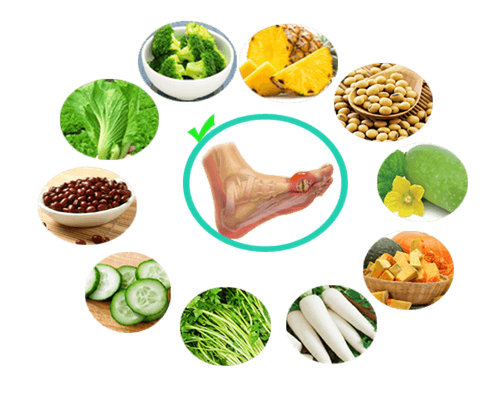
Broccoli is among the most popular of the seven foods that assist in fibroid reduction, possessing potent antioxidant properties that enhance immune function and mitigate the aging process. Incorporating broccoli into the daily diet not only helps prevent uterine fibroids but also improves treatment efficacy.
To maximize the absorption of essential nutrients, particularly folic acid, which is crucial for fetal health if pregnancy is desired, individuals should diversify their diets by preparing various dishes.
3.2 Fruits
Berries such as raspberries, citrus fruits, blueberries, and watermelon contain numerous nutrients beneficial for uterine health. They are particularly rich in folate, vitamin C, and antioxidants, which help neutralize the effects of free radicals. Consuming a wide variety of fruits can also help limit the formation and growth of uterine fibroids.
Foods rich in potassium, such as avocados, bananas, citrus fruits, cantaloupe, lentils, oatmeal, and tomatoes, aid in balancing blood pressure and counteracting the effects of sodium.
Orange-colored fruits such as oranges, lemons, grapefruits, and guavas are excellent sources of vitamin A. Vitamin A plays a crucial role for patients with uterine fibroids, as it promotes the growth and repair of damaged tissues while also reducing diseased tissues. Patients can consume these fruits directly or extract their juices to gain the associated nutrients.
To maximize the benefits of fruits, patients should consume them at appropriate times, ideally 1-2 hours before main meals to avoid interfering with digestion. It is advisable to refrain from consuming fruits immediately after main meals, as this may cause feelings of fullness and affect digestive function. Furthermore, it is not recommended to eat fruits on an empty stomach, as this may negatively impact gastric health.

3.3 Green tea
Several studies have indicated that green tea contains epigallocatechin gallate, a compound with strong anti-inflammatory properties that reduces estrogen levels, thereby slowing the development of uterine fibroids. Notably, green tea is also rich in antioxidants. If the body is deficient in iron, green tea may help alleviate symptoms associated with heavy menstrual bleeding due to fibroids.
Green tea is best consumed in the morning to enhance alertness; however, it should be avoided in the evening, as it may lead to insomnia.
3.4 Yogurt
Yogurt is rich in probiotics that help maintain the pH balance of the uterus and protect gastrointestinal health. Additionally, yogurt contains significant levels of calcium, which aids in preventing the risk of premenstrual syndrome (PMS).
Regular consumption of yogurt assists in the absorption of polyamines, a specific type of protein that enhances the quality of oocytes and supports their functionality. To maximize the benefits of yogurt, it is recommended to consume it 1-2 hours after the completion of a main meal.
3.5 Eggs
One of the seven foods that aid in reducing uterine fibroids is eggs. This readily available food item is commonly found in most households.
Eggs are rich in choline and vitamin C, both of which can enhance ovarian quality and support reproductive function in women. Furthermore, eggs are abundant in vitamins B12, D, and folic acid, all of which are beneficial for uterine health and help prevent complications associated with neural tube defects in fetuses.
3.6 Fatty fish
Most fish varieties provide substantial nutritional benefits; however, fatty fish such as catfish, salmon, tuna, mackerel, and sardines are particularly noteworthy. These fish are rich in omega-3 fatty acids, present in higher concentrations compared to other types of fish. These fatty acids not only enhance brain function and hormone balance but also improve uterine health.
Regular consumption of fatty fish provides additional beneficial nutrients, such as palmitic, oleic, linoleic, and palmitoleic acids. These compounds play a significant role in reducing menstrual cramps, vaginal dryness, and abdominal pain during menstruation.
3.7 Types of Nuts
Nuts such as almonds, cashews, macadamias, and walnuts are rich sources of beneficial cholesterol and omega-3 fatty acids. These substances stimulate the body to produce additional sex hormones.
Furthermore, omega-3 fatty acids have the potential to prevent uterine fibroids and uterine cancer. The beneficial cholesterol found in nuts helps maintain serum cholesterol levels, thereby reducing the risk of preterm birth or low birth weight infants.
4. In addition to the 7 foods that help reduce uterine fibroids, which food groups should be avoided?
4.1 Sugar
Foods containing sugar and simple carbohydrates can trigger or exacerbate the condition. These foods cause a sudden spike in blood glucose levels, leading to excess insulin production. Excessive insulin can result in weight gain and adversely affect the growth of fibroids.
4.2 Refined Carbohydrates and Added Sugars
Avoid the consumption of certain types of sugars including:
• Table sugar.
• Glucose.
• Dextrose.
• Maltose.
• Corn syrup and high-fructose corn syrup.
• White bread, rice, pasta, and all-purpose flour.
• Soda and sugary beverages.
• Fruit juice.
• Potato chips and cookies.
In summary, maintaining a healthy diet and achieving stable weight is a crucial first step in the management of uterine fibroids and the alleviation of symptoms. Adhering to a dietary plan that includes the 7 foods that help reduce uterine fibroids is of utmost importance, even when undergoing treatments such as surgery, medication, or other interventions for uterine fibroids.
To arrange an appointment, please call HOTLINE or make your reservation directly HERE. You may also download the MyVinmec app to schedule appointments faster and manage your reservations more conveniently.