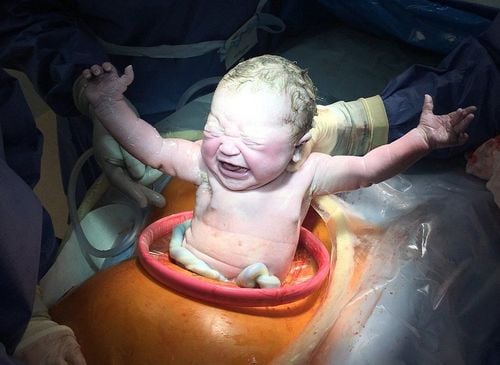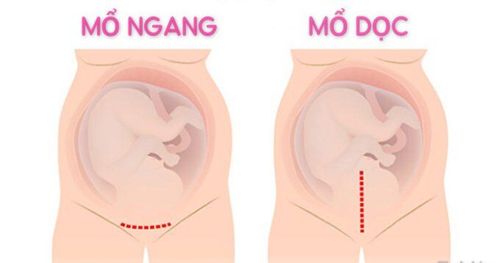

Cesarean section (C-section) is widely chosen by many expectant mothers to reduce labor pain and certain complications compared to vaginal delivery. However, proper cesarean section incision care is crucial to prevent infections.
This article was consulted by Phạm Thị Yến- Specialist Level I, MD - Obstetrics and Gynecology Department - Vinmec Hai Phong International General Hospital.
Cesarean section (C-section) is widely chosen by many expectant mothers to reduce labor pain and certain complications compared to vaginal delivery. However, proper cesarean section incision care is crucial to prevent infections.
1. Cesarean section incision care guidelines
Regardless of whether a mother delivers vaginally or via C-section, postpartum care and monitoring are essential. However, if a cesarean section is chosen, mothers need to pay more attention to caring for the surgical wound after suture removal because this wound is very susceptible to infection.
1.1 The First Week After Birth
In the first few days following a C-section, obstetricians will provide care and perform daily surgical wound cleaning. Additionally, mothers will be prescribed antibiotics, pain relievers, and uterotonic medications to prevent infections and postpartum complications.
Once discharged from the hospital, mothers will start to feel pain around the perineum. This feeling can be persistent or come in sharp bursts. In such cases, applying an ice pack around the incision area can help reduce swelling and pain.
On the third day, the surgical wound dressing can be removed and allowed to air dry naturally. When bathing, the mother should gently wipe her body with a soft cotton towel soaked in warm water to avoid touching the incision. It's also important to note that if the incision is very painful, you need to tell your doctor immediately to be prescribed appropriate pain medication for postpartum women.
Additionally, here are some key recommendations for Cesarean section incision care:
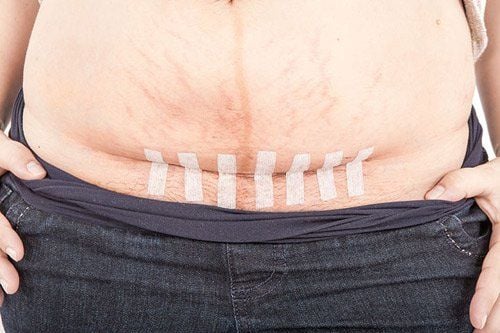
- Use a soft cotton towel (baby towel) to wipe the body, especially around the incision area.
- Wipe from front to back to prevent infection.
- Over-the-counter pain relievers such as Motrin (Ibuprofen) may help alleviate discomfort from the incision.
- A numbing spray designed for postpartum mothers can also be used.
1.2 From the Second Week Onward
By the second week, doctors will typically remove sutures (usually after 5 days for first-time C-sections and after 7–8 days for repeat C-sections). If dissolvable sutures are used, this step is unnecessary. If the incision is healing well, the mother will be discharged and should follow proper post-suture removal care at home:
- Bathe with warm water, but avoid long baths and soaking in a tub, as this can wet the wound.
- Gently pat the incision dry with a soft, clean towel after bathing; there is no need to keep it covered.
- Keep the incision area clean and dry. Applying Betadine or 10% Povidone-Iodine solution can promote scar healing and prevent infection.
Các dấu hiệu mang thai sớm không phải chỉ mỗi trễ kinh mà còn có rất nhiều dấu hiệu khác như xuất huyết âm đạo, ngực căng tức,… Điểm xem bạn biết được bao nhiêu dấu hiệu mang thai sớm thông qua bài trắc nghiệm này nhé!
2. What should mothers eat to heal the incision faster?
- For the first 6 hours after birth, mothers should not eat solid foods—only drink water or eat thin rice porridge. Solid foods can be introduced after passing gas, which signals that the digestive system is functioning again.
In addition, it is important to pay attention to:
- Avoid excessive sugar, starch, or soy-based foods, as they can cause constipation and bloating.
- Due to the effects of anesthesia, bloating and constipation may last 3–5 days, so it's essential to drink plenty of water.
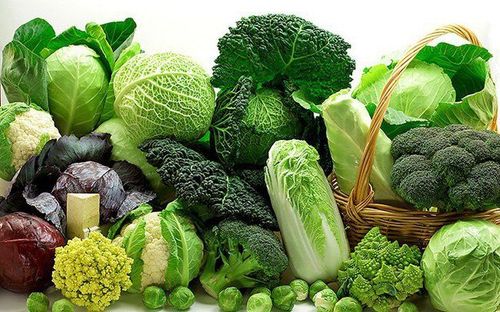
- From the second day, mothers can resume a normal diet, prioritizing green vegetables, calcium- and protein-rich foods, and sufficient water intake.
- Avoid cold foods and seafood, as they may slow blood clotting at the incision site, delaying healing and increasing the risk of infection.
- Avoid eating water spinach, chicken, sticky rice, and egg whites, as these foods can cause excessive pus formation and lead to keloid scar after a C-section.
3. When should the C-section incision be checked at the hospital?
Although doctors provide detailed instructions for C-section incision care, unexpected complications can still occur. Seek medical attention immediately if you experience any of the following symptoms:
- Severe pain at the incision area.
- Redness and swelling around the sutures.
- Pus in or around the wound
- High-grade fever (above 39°C)
To minimize pain and reduce post-C-section complications, Vinmec International General Hospital provide a painless delivery method for C-section mothers. With a team of professional anesthesiologists, mothers receive ultrasound-guided nerve blocks for post-surgical pain management. Recent pain relief evaluations show that none of the C-section mothers required morphine, and postpartum pain during movement and daily activities was almost entirely eliminated.
Doctor Phạm Thị Yến has 11 years of experience in Obstetrics and Gynecology, with expertise in:
- Prenatal consultation and management for normal, pathological, and high-risk pregnancies
- Diagnosis and treatment of gynecological conditions, including cervical inflammation and cervical ectropion
- Laparoscopic surgery for gynecological conditions such as ectopic pregnancy, uterine tumors, and ovarian tumors
- Surgical treatment of breast tumors, vulvar tumors, vaginal tumors, and cervical tumors
- Obstetric surgery: C-sections
- Endocrine disorder management for women at different life stages, including puberty, reproductive age, and perimenopause.
To arrange an appointment, please call HOTLINE or make your reservation directly HERE. You may also download the MyVinmec app to schedule appointments faster and manage your reservations more conveniently.