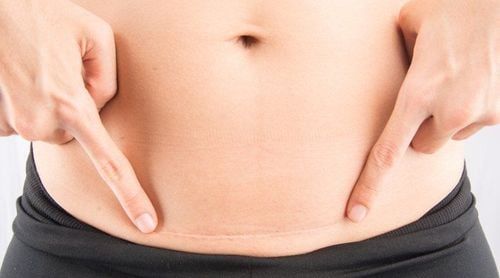
If you have had a cesarean section, your baby was delivered through an incision in the skin and uterus. Full recovery after a cesarean can take time. It is important to take care of yourself—for your own well-being and because your newborn needs you. Here are some guidelines to follow at home.
1. Proper and Safe Hygiene for the Private Area After a Cesarean
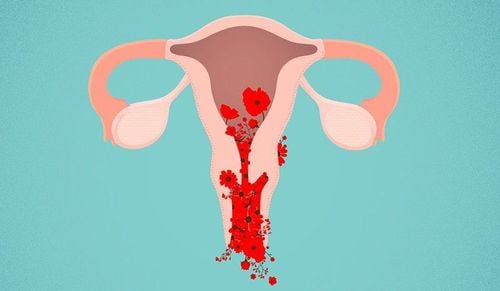
Around 4 weeks after childbirth, your genital area will return to its normal state. At this time, the uterus continues to contract to expel lochia (postpartum bleeding). Because of this, the uterus is particularly vulnerable to infection from external bacteria entering through the genital tract, as well as bacteria already present in the vagina. This creates a favorable environment for vaginal infections. Therefore, it is important to practice proper hygiene (even after a cesarean) by following these guidelines:
• Clean the private area at least three times a day: in the morning, afternoon, and evening before bed. If lochia is heavy, the mother should clean more frequently. Ensure that sanitary pads, toilet paper, towels, and water used for cleaning are all clean. It is best to use boiled and cooled water or warm water. A diluted antiseptic solution can also be used for cleaning. After washing, gently dry the area with a clean towel.
• During labor, the body secretes a lot of sweat, so it is important to shower and stay clean. Especially during hot summer months, if you avoid showering, it increases the risk of bacterial infections, which can be harmful to both the mother and baby.
• Postpartum mothers can take a full-body shower about 3–4 days after childbirth. Shower for 5–10 minutes using a handheld showerhead (avoid soaking in a bathtub or basin). The bathroom should be draft-free, and the water temperature should be warm. After showering, dry off quickly and wear clean, covered clothes. When washing your hair, do it quickly, and dry your hair immediately. It is best to wash your hair in the midday or early afternoon when the weather is warmest and avoid showering and washing your hair at the same time.
• For those who had a cesarean section and have not yet had their stitches removed, you may need to avoid taking a full shower for 5–7 days (only wipe your body with a warm towel).
The following content is prepared under supervision of Thạc sĩ, Bác sĩ chuyên khoa II, Tạ Quốc Bản , Sản phụ khoa , Trung tâm Sản và Hỗ trợ Sinh sản - Bệnh viện Đa khoa Vinmec Đà Nẵng

2. Some Things Cesarean Mothers Should Keep in Mind When Cleaning Their Body and Private Area
After a cesarean, most women feel reluctant to care for their body due to fatigue and pain. However, it is important to pay attention to showering and cleaning the private area because bacteria from the outside can easily enter the uterus through the genital tract, along with bacteria already present in the vagina, creating an environment conducive to vaginal infections. Therefore, careful cleaning of the body and private area after surgery should be done with the following considerations:
Immediately after a cesarean, women should limit movement and walk as gently as possible, minimizing the use of stairs. Also, regularly use a clean towel to absorb vaginal discharge to keep the private area dry. Never use toilet paper, especially wet wipes, for cleaning.
Avoid excessive contact with water during bathing, washing, or cleaning the private area, as it can lead to a cold or infection. It’s best to clean using warm water. For the private area, wash 2-3 times a day with cooled boiled water at a moderate temperature.
Limit going outside to areas with strong wind, as your body is very sensitive after giving birth and is more prone to catching a cold.
Not only during the postpartum period but also from the beginning of pregnancy, personal hygiene and cleaning the private area should be taken seriously and done properly by expectant mothers.
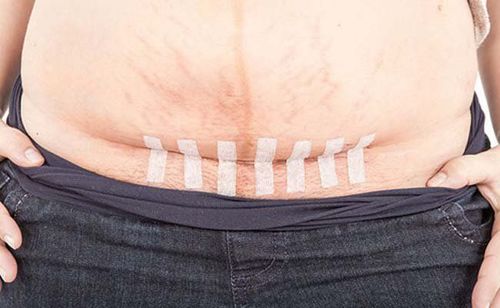
3. Caring for the Cesarean Incision
Here’s how to care for your cesarean incision:
• Shower when necessary and let the incision dry.
• Monitor the incision for signs of infection, such as swelling, redness, or increased discharge.
• You can place a pillow on the incision when you laugh, cough, or when standing up from lying or sitting.
Remember, it may take up to 6 weeks for your incision to heal completely. Don't try to care for anyone other than your baby and yourself. The more you move, the higher the chance of bleeding. Take naps in the afternoon. Gradually increase your activities. Plan your activities so that you don’t have to go up or down stairs more than necessary.
• Perform deep breathing exercises and cough after surgery. Ask your healthcare provider for guidance.
• Don’t lift anything heavier than your baby until your healthcare provider tells you it’s safe.
• Don’t drive until your healthcare provider gives you permission.
• Avoid sexual activity until you’ve had a health check-up with your healthcare provider and have decided on a method of contraception.
• Allow others to help you. Don’t hesitate to ask for assistance.
4. Post-Cesarean Follow-Up
Schedule a follow-up appointment as advised by your healthcare provider. You should call your healthcare provider immediately if you experience any of the following:
• Fever of 100.4°F (38°C) or higher
• Redness, pain, or discharge at your incision site
• Bleeding that requires changing your sanitary pad every hour
• Severe abdominal pain
• Pain or urgency to urinate
• Foul-smelling vaginal discharge
• Difficulty urinating or emptying your bladder
• No bowel movement within a week after giving birth
• Swelling, redness, or pain in your leg
• A rash or skin eruption
• Pain, redness, or tenderness in the breast, possibly accompanied by flu-like symptoms
• Feelings of anxiety, panic, and/or depression
If you need consultation and check-up at Vinmec Hospitals across the country, please schedule an appointment via our website (vinmec.com) to be served.
Read more:
- Instructions for cleaning and disinfecting clothes for children with hand, foot, and mouth disease (HFMD)
- Instructions for cleaning the genital area of newborn girls
To arrange an appointment, please call HOTLINE or make your reservation directly HERE. You may also download the MyVinmec app to schedule appointments faster and manage your reservations more conveniently.