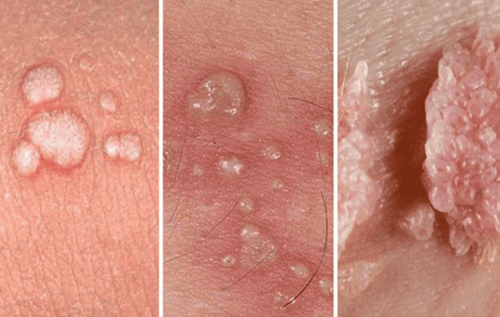
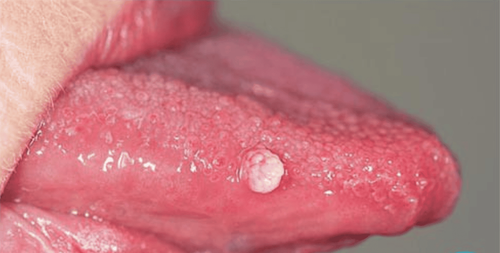
Genital acne is a common condition, especially in women. In most cases, it is not serious, but it can cause discomfort and affect daily life. However, some cases may indicate underlying gynecological conditions. Therefore, it is essential to identify the exact cause of genital acne.
This article was written under the medical guidance of doctors from the Women’s Health and Reproductive Support Center at Vinmec International General Hospital.
1. Causes of Genital Acne
1.1. Contact Dermatitis
Genital acne can be caused by contact dermatitis, an allergic reaction triggered by skin contact with certain substances. In the genital area, it may occur due to sensitivity to:
- Body wash, soaps, especially those containing fragrances
- Wipes, deodorants, lotions, or perfumes
- Sanitary pads or tampons
- Douching
- Spermicides, condoms, lubricants, or sexual enhancers
- Over-the-counter topical medications
- Laundry detergents and fabric softeners
Other potential irritants include sweat, vaginal discharge, urine, and semen.
- Symptoms of Contact Dermatitis
- Severe itching, redness, and acne in the genital area
- Blisters filled with clear fluid that may burst and form scabs
- Scratches due to itching, possibly leading to secondary infections with pus
🚨 If genital acne is caused by contact dermatitis, avoid further exposure to the irritating substance

1.2. Folliculitis
Folliculitis, caused by bacterial infections, can lead to genital acne. One common cause is improper pubic hair shaving, which increases the risk of folliculitis.
Other factors contributing to folliculitis include:
- Poor genital hygiene
- Overuse of harsh cleansing chemicals
- Wearing tight or restrictive clothing for long periods
🔹 Symptoms:
- Acne concentrated around hair follicles
- Pus-filled bumps, redness, and swelling
- Pain, itching, and a high risk of infection
1.3. Hidradenitis Suppurativa (HS)
Hidradenitis suppurativa (HS) is a chronic infection of sweat glands, causing acne-like lesions in various body areas, including the genital region. The exact cause of this rare condition remains unknown.
1.4. Molluscum Contagiosum
Molluscum contagiosum is a viral infection caused by the molluscum contagiosum virus (MCV), a member of the poxvirus family. This infection leads to genital acne and can spread through:
- Direct skin-to-skin contact
- Self-infection (autoinoculation)
- Contaminated objects (e.g., towels, bath sponges, swimming pool water)
Molluscum contagiosum is common in children, but in adults, the disease can be spread through close skin-to-skin contact with an infected person, such as during sexual contact or sports activities like wrestling.
Symptoms of Molluscum Contagiosu
- Small, pink, dome-shaped papules with a pearly appearance and central dimple, ranging 2-5 mm in diameter
- In children, lesions commonly appear on the face and torso
- In adults, they often affect the lower abdomen, penis, or vulva.
💉 Treatment includes mechanical removal (curettage, cryotherapy) or topical medications (e.g., imiquimod, tretinoin).
1.5. Genital Herpes
Genital herpes is caused by the herpes simplex virus (HSV-1 or HSV-2). It spreads through direct contact with an infected person, even if symptoms are not visible.
Once contracted, the virus remains dormant in nerve cells, potentially reactivating multiple times.
Symptoms of Genital Herpes
- Initially: Red or pink pimples that contain flui
- Later: Clusters of blisters resembling grape bunche
- Associated symptoms: Fever, muscle pain, fatigu
- When blisters rupture: Secondary bacterial infections, painful ulcers, itching
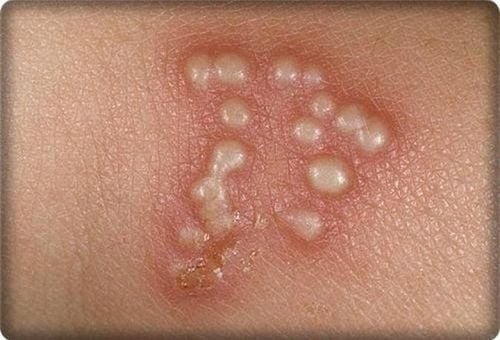
Genital herpes commonly appears on:
- Penile shaft & head
- Clitoris, vagina, vulva, perineum
- Cervix
- Anus & rectum (from anal intercourse
- In pregnant women, HSV can be transmitted to newborns, causing life-threatening neonatal herpes
- Treatment includes antiviral medications to reduce outbreaks and transmission, but there is no permanent cure.
1.6. Hormonal Imbalances
Hormonal changes during:
- Puberty
- Pregnancy
- Perimenopause & menopause
These fluctuations increase oil production, leading to clogged pores and acne formation
- Hormonal genital acne is non-infectious, appears as small white bumps, and typically occurs in the pubic area without itching.
1.7. Gynecological Infections Leading to Genital Acne in Women
Gynecological infections, caused by fungi or bacteria, can lead to genital acne, accompanied by:
- Itching & unusual vaginal discharge
- Abnormal discharge color, foul odor
- Painful urination & painful intercourse
🚨 Poor hygiene and unprotected sex increase the risk of genital infections
1.8. Genital Warts (HPV)
Genital warts are caused by the human papillomavirus (HPV).
HPV types 16 & 18 are high-risk and can lead to cervical cancer.
Symptoms of HPV Warts
🔹 Red, small bumps that appear 6-8 months after exposure
🔹 Common locations: Pubic area, labia, penis, foreskin, scrotum
🔹 Initially painless, but can develop into cauliflower-like growths
🚨 If untreated, HPV genital warts may lead to severe infections and cancer.
💉 HPV vaccination is the best prevention method.
1.9. Jock Itch (Tinea Cruris - Fungal Infection
Caused by excess moisture, poor hygiene, and humid environments
Symptoms:
- Darkened skin patches in the groin
- Itchy, circular rash with blisters on the border
💊 Treatment involves oral & topical antifungal medications.
When detecting genital herpes in the early stages, patients should proactively go to a medical facility to be diagnosed, consulted and given appropriate treatment by a doctor.
2. How to Prevent Genital Acne
To reduce the risk of genital acne, we can take some of the following measures:
- Maintain proper hygiene with mild cleansers.
- Shave pubic hair properly, using fresh razors.
- Wash hands after genital contact.
- Change underwear daily, especially after workouts.
- Lose weight if overweight to reduce bacterial growth in skin folds.
- Follow doctor’s treatment for infections to prevent recurrence.

4. Molluscum contagiosum
Genital acne can have various causes. Therefore, women should maintain proper hygiene and adopt a healthy lifestyle to effectively prevent it. If any abnormal symptoms appear, it is essential to consult a doctor promptly for examination and treatment, preventing potential serious health complications.
For more health, nutrition, and beauty tips, visit Vinmec International General Hospital to safeguard the health of yourself and your loved ones.
To arrange an appointment, please call HOTLINE or make your reservation directly HERE. You may also download the MyVinmec app to schedule appointments faster and manage your reservations more conveniently.