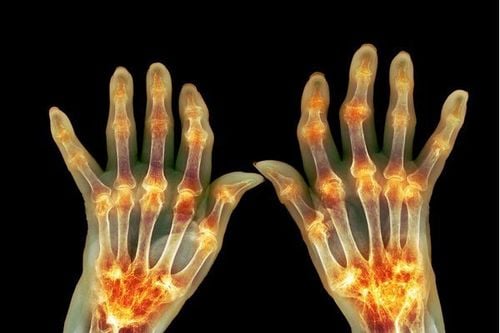

1. What is Gout?
Gout is a common form of inflammatory arthritis caused by the deposition of micro‑crystals, characterised by recurrent acute attacks. The accumulation of excessive uric acid is the main culprit leading to gout. When uric acid levels rise, urate crystals will form and deposit in tissues, causing inflammation, swelling, heat, redness and pain in the joints. These flare‑ups are called acute gout attacks.
Between attacks (asymptomatic periods), urate crystals continue to accumulate silently. If left uncontrolled and untreated, acute gout attacks will recur more often and the interval between attacks shortens.
Subsequently, when the disease progresses to a chronic stage, patients may experience constant dull pain and even permanent joint damage, possibly disability. At that stage tophi (urate crystal deposits) appear and the kidneys may become affected.
Currently, the treatment goals include the use of medications for gout together with daily lifestyle modifications to control swelling and pain during acute attacks, prevent recurrence, and lower blood uric acid levels.
2. Classification of Gout Medications
Some medications used in gout treat symptoms and prevent future attacks. Others help reduce the risk of complications (such as kidney stones) caused by gout.
Medication use for gout must be individualised for each patient, based on the results of specialist examinations. The doctor will build a suitable treatment plan, combining gout medications and lifestyle modifications for long‑term effectiveness.
Gout medications are divided into two main groups: acute and chronic.
- Medications for acute gout attacks: These drugs help rapidly reduce pain and swelling in the joints and restore joint function to normal. Common drugs include non‑steroidal anti‑inflammatory drugs (NSAIDs), corticosteroids and colchicine.
- Medications for chronic gout: These drugs help prevent future acute gout attacks by lowering blood uric acid levels and maintaining stable uric acid levels. Typical examples are allopurinol and febuxostat.
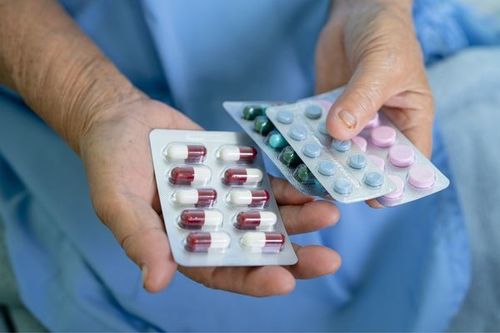
Medication for gout is mostly prescription‑only. Buying gout medication by yourself before consulting a doctor carries many risks — therefore avoid doing so unless guided by a qualified healthcare professional.
3. The Most Common Gout Medications Today
3.1 Medications for acute gout attacks
3.1.1 Non‑steroidal anti‑inflammatory drugs (NSAIDs)
This group is widely used to reduce pain and inflammation caused by urate crystals in acute gout attacks; however, these drugs do not affect the body’s uric acid level.
Common over‑the‑counter (OTC) NSAIDs (e.g., naproxen) and prescription ones (e.g., indomethacin, sulindac) may be used to rapidly reduce symptoms. However, their effectiveness is temporary and they may carry side‑effects affecting:
- the digestive system: nausea, diarrhoea, and in more severe cases, peptic ulcers
- liver, kidney and cardiovascular systems
Recently, modern selective COX‑2 NSAIDs have been developed — they reduce pain and inflammation similarly to regular NSAIDs but with fewer side effects. Nonetheless, the impact of COX‑2 selective NSAIDs on the cardiovascular system remains under study.
3.1.2 Colchicine
Colchicine is a prescription anti‑inflammatory drug used to treat gout and other crystal‑induced arthritides. It is the most effective drug for acute gout attacks, helping to reduce symptoms within 6 to 12 hours if used within 36 hours from the onset of the attack.
Besides acute treatment, low‑dose colchicine may be used for prophylaxis of future attacks. However, because it does not lower urate levels in the body, it is not considered a long‑term maintenance therapy for gout.
Moreover, studies show that prolonged use may lead to toxic accumulation, causing bone‑marrow suppression, liver and kidney damage,… along with serious side‑effects such as severe diarrhoea, nausea, vomiting and abdominal pain.
3.1.3 Corticosteroids
When NSAIDs and colchicine do not bring sufficient effect, the doctor may prescribe corticosteroids to treat acute gout. These can be given orally or injected directly into the affected joint. Prednisone is a common corticosteroid used in acute gout, helping relieve pain within several hours after use.
Due to their potential for many unwanted side‑effects, corticosteroids are used only when patients do not respond to NSAIDs or colchicine or have contraindications. Treatment must be prescribed by a physician.
In cases of gout that are limited to one or two joints and of mild to moderate severity, patients often need only a single type of drug among the above to control inflammation. However, if the pain increases and spreads to larger joints (not only the big toe), combining two or more treatment modalities to control the disease may become necessary.
If one drug does not achieve desired symptom control in an acute attack, the doctor may add another drug or combine types to increase effect. Choosing the most suitable treatment for long‑term effectiveness must be decided by the physician based on the specific patient’s case.
3.2 Uric‑acid lowering medications for chronic gout
These drugs differ from anti‑inflammatory and pain‑relief drugs in that they can be used long‑term to reduce the severity of acute gout attacks and minimise the appearance of complications. The treatment goal is to lower serum uric acid (sUA) levels to under 300 µmol/L (5 mg/dL) in patients with tophi and under 360 µmol/L (6 mg/dL) in those without tophi.
Patients who have never used uric‑acid lowering medication should generally not start it during an acute gout flare. However, if a patient is already on such therapy and then has an acute attack, the medication should be continued. These drugs act via various mechanisms to reduce uric acid in the body, and can be grouped by mechanism of action:
Drugs that inhibit uric acid production: e.g., allopurinol and febuxostat.
- Drugs that increase uric acid excretion: e.g., probenecid. Drugs that break down existing uric acid: e.g., pegloticase (for severe cases).
- Drugs that selectively inhibit uric acid reabsorption: e.g., lesinurad (though less commonly used).
3.3 Drugs for prevention of gout attacks
Long‑term use of medications for gout is not mandatory for everyone. Many people only need medications temporarily during acute attacks to relieve inflammation. Afterwards, the patient may control gout effectively by lifestyle and dietary changes that help reduce uric acid and prevent future attacks.
However, if the frequency of acute gout flares becomes higher, the doctor may prescribe medications to control urate levels, especially when the following signs are present:
- the patient experiences two or more acute gout flare‑ups per year
- flare‑ups become so severe that they prevent working or performing daily activities
- imaging (e.g., X‑ray) showing joint damage due to gout
- presence of tophi (urate deposits)
- impaired kidney function, kidney stones, or high urinary uric acid excretion
When uric acid is high (hyperuricaemia), the doctor may prescribe urate‑lowering therapy (ULT). To control uric acid the physician may prescribe:
- Xanthine oxidase inhibitors (XOIs) to reduce uric acid production: allopurinol and febuxostat.
- Uricosuric medications that increase uric acid excretion by the kidneys: e.g., probenecid
- Enzyme therapies that break down uric acid: e.g., pegloticase (in refractory cases)
To prevent acute gout, patients need to use low-dose anti-inflammatory drugs (NSAIDs, colchicine, or corticosteroids) for 3–6 months in combination with uric acid–lowering medications. The choice of an appropriate anti-inflammatory drug depends on each individual’s specific condition and should take into account the indications and contraindications of each gout medication.
4. Important Notes When Using Gout Medications
- Since acute gout medications (particularly NSAIDs) can harm the stomach, it is best if the patient takes them after meals or together with acid‑suppressing agents.
- Although most chronic gout medications are considered safe, in some rare cases the patient may experience a skin rash, itching, nausea, headache, abdominal pain or fatigue. If these symptoms do not improve or the patient suspects a drug side‑effect, consult the doctor immediately.
- Medications for acute gout should only be used short‑term, while medications for chronic gout often must be used long‑term; they should only be discontinued on the doctor’s instruction.
- Follow the dosage and schedule precisely. If you forget a dose, take it as soon as you remember unless it is nearly time for the next dose — do not double up on the dose.
5. Some Non‑Drug Treatments for Gout
5.1 Dietary modifications for gout
Changing your diet is an effective and safe way to manage gout at home. Establishing a healthy diet and lifestyle plays an important role in controlling and improving the condition.
- Patients should avoid high‑purine foods such as red meat, organ meats, shellfish, etc. Also avoid alcohol and beverages containing high‑fructose corn syrup. Instead, increase fruit and vegetable intake.
- People with gout may eat eggs and meat, but ensure consumption does not exceed ~150 g per day.
- Additionally, to better control the disease, daily exercise and maintaining adequate hydration (approximately 2–2.5 litres per day depending on individual needs) are very important.
5.2 Lifestyle changes
- Weight loss is an effective method for reducing the risk of gout. However, very rapid weight loss may lead to unintended consequences — e.g., kidney stones and crystal formation, causing joint pain.
- When an acute gout attack causes intense pain in a joint, the most important thing is to rest and limit motion.
- Follow up visits with the doctor as scheduled are necessary to effectively monitor gout.
To arrange an appointment, please call HOTLINE or make your reservation directly HERE. You may also download the MyVinmec app to schedule appointments faster and manage your reservations more conveniently.