1. Arthritis causing pain in the left or right hand
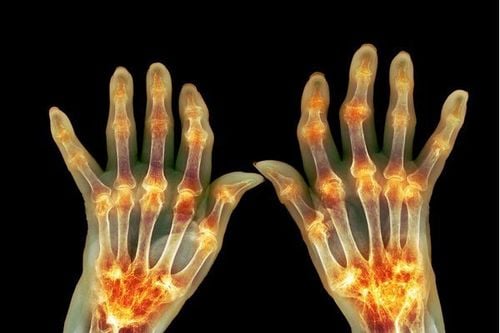
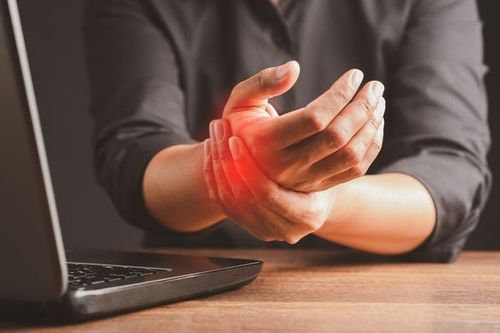
Arthritis (inflammation of one or more joints) is the leading cause of pain in both hands. It can occur anywhere in the body but is particularly common in the hands and wrists. There are more than 100 types of arthritis, but the most common are osteoarthritis and rheumatoid arthritis.
Osteoarthritis usually affects older adults. Over time, the joints in the hand undergo wear and tear. The cartilage—a smooth tissue covering the ends of bones that helps joints move smoothly—gradually deteriorates, leading to painful symptoms.
Rheumatoid arthritis is a chronic disease that can affect many parts of the body. It causes joint inflammation, resulting in pain and stiffness. It often begins in the hands or feet, affecting the same joints on both sides of the body.
Symptoms of arthritis include:
- Dull or burning pain in finger and wrist joints
- Pain after excessive gripping or repetitive movements
- Morning joint pain and stiffness
- Swelling around the joints
- Feeling looseness around finger joints
- Small cysts on the fingertips
Common treatments for arthritis include:
- Medications to relieve pain and swelling
- Long-acting local anesthetic or steroid injections
- Splinting joints during periods of overuse
- Surgery
- Physical therapy or occupational therapy
2. Carpal Tunnel Syndrome
The carpal tunnel is a narrow passage of ligaments and bones at the base of the hand. It contains the median nerve (which runs from the forearm to the palm) and tendons responsible for finger movement.
Carpal tunnel syndrome occurs when the median nerve is compressed by a narrowed carpal tunnel. This narrowing can result from irritated or inflamed tendons causing swelling.
Symptoms develop gradually and vary in severity, including burning, tingling, or frequent numbness in the palm and fingers, often around the thumb, index, and middle fingers.
Other symptoms include:
- Feeling as if the fingers are swollen even without visible swelling
- Night pain
- Morning stiffness and pain in the hand or wrist
- Weakness in the hand
- Difficulty gripping or performing certain movements
- Reduced ability to sense temperature differences
Common treatments for carpal tunnel syndrome:
- Wrist splints
- Avoiding uncomfortable activities
- Applying ice packs to the wrist
- Over-the-counter pain relievers
- Oral or injected steroids
- Acupuncture
- Surgery
3. De Quervain's Tenosynovitis
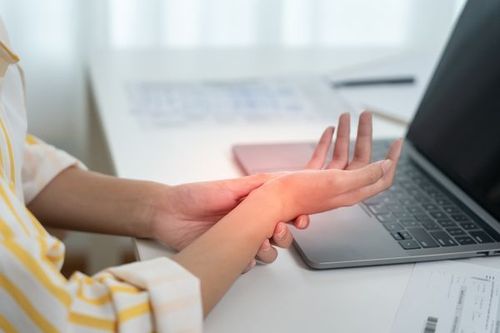
De Quervain's tenosynovitis is a painful condition affecting the tendons around the base of the thumb. Swelling in the two tendons near the thumb base causes inflammation, which puts pressure on nearby nerves, leading to pain and numbness.
Symptoms include:
- Pain around the thumb and wrist
- Swelling near the base of the thumb
- Difficulty gripping objects
- A catching or snapping sensation when moving the thumb
Common treatments include:
- Splinting
- Ice or cold compresses
- Over-the-counter pain medications like ibuprofen or aspirin
- Avoiding painful tasks and repetitive movements
- Physical therapy
- Surgery
- Steroid injections
4. Ganglion Cysts
Ganglion cysts on the wrist and hand are usually painless but can be unsightly. They often appear as a lump on the back of the wrist and can vary in size. They can also occur on the underside of the wrist, finger joints, or finger bases.
These cysts are filled with fluid. If large enough to press on nearby nerves, they may cause pain, tingling, or numbness around the wrist and hand.
Ganglion cysts often resolve without treatment. Rest and splinting can reduce their size. If painful, doctors may aspirate the cyst or remove it surgically
5. Gout
Gout is a complex form of arthritis causing pain in one or both hands. People with gout experience sudden and severe pain attacks in their joints. Though it commonly affects the big toe joint, gout can occur in any joint of the foot, knee, hand, or wrist.
When gout affects the hands or wrists, symptoms include intense pain, burning, redness, and swelling. Even the weight of a bedsheet can be unbearable.
Several medications are available to treat gout attacks, including nonsteroidal anti-inflammatory drugs (NSAIDs) and colchicine. Other drugs help prevent future attacks and complications.
6. Lupus
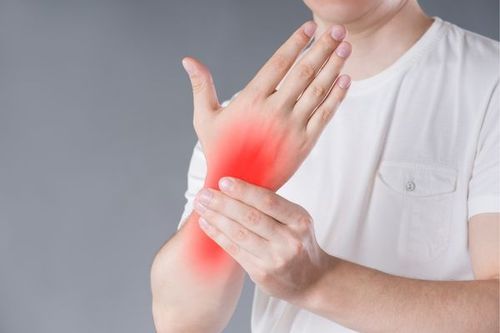
Lupus is an autoimmune disease in which the immune system mistakenly attacks healthy cells and tissues, causing damage. Joint pain and stiffness are often early signs of lupus.
During lupus flare-ups, widespread inflammation thickens the thin lining around joints, leading to pain and swelling in the hands, wrists, and feet.
Other symptoms include:
- Muscle pain
- Unexplained fever
- Red rashes, often on the face
- Hair loss
- Pale or bluish fingers or toes
- Chest pain during deep breaths
- Fatigue
- Swelling around the eyes or legs
There is no cure for lupus, but treatments to manage symptoms include:
- Using warm or cold compresses
- Over-the-counter pain relief
- Physical or occupational therapy
- Resting affected joints and avoiding painful activities
7. Peripheral Neuropathy
Peripheral neuropathy causes pain and weakness in the hands and feet due to damage to peripheral nerves.
It can affect one or multiple nerves throughout the body. The hand and wrist contain various types of nerves, including sensory nerves (detecting touch, temperature, pain) and motor nerves (controlling movement).
Symptoms depend on which nerves are affected but commonly include:
- Gradual numbness, tingling, or "pins and needles" sensations
- Burning, stabbing, shooting pain or cold sensations
- Extreme sensitivity to touch
- Muscle weakness or paralysis
- Poor coordination
Common treatments include:
- Prescription medications for nerve pain
- Over-the-counter/ prescribed pain relievers
- Anti-epileptic drugsAntidepressants
8. Raynaud's Phenomenon
Raynaud's phenomenon causes certain areas, especially fingers and toes, to feel numb and cold in response to stress or cold exposure.
When cold, the body conserves heat by constricting blood vessels.
In people with Raynaud's, this constriction is more severe and rapid, reducing blood flow to the hands.
Symptoms during an attack include:
- Cold fingers and toes
- Color changes in fingers/toes: white, blue, red
- Numbness, tingling, pain
- Ulcers, tissue damage in severe cases
Primary Raynaud's is usually mild and may not require treatment, but secondary Raynaud's (due to other health issues) can be more serious and sometimes needs surgery.
9. Trigger Finger (Stenosing Tenosynovitis)
Trigger finger occurs when one or more fingers or the thumb get stuck in a bent position due to inflammation of the tendon sheath, making it difficult to straighten the finger.
Symptoms include:
- Clicking or popping sensation when bending or straightening the finger
- One or more fingers locked in a bent position
- Morning stiffness or inability to straighten the finger
- Severe pain at the base of the finger
Treatments include:
- NSAIDs
- Steroid injections into the tendon sheath
- Surgery to release the tendon sheath
10. Hand Injuries
Hand injuries are very common, especially in sports, construction work, and falls.
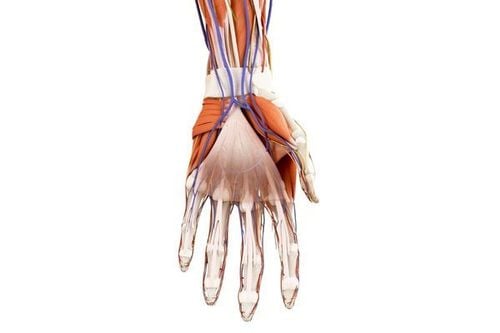
Each hand has 27 small bones that can break in various ways. Fractures can be difficult to heal without proper treatment, and poor healing may permanently alter hand structure and dexterity.
Tendons in the hand can also be sprained or strained. Physical therapy or rehabilitation is essential for treating serious hand injuries.
In severe cases, surgery may be needed to prevent long-term damage.
There are many causes of hand pain. Generally, you should see a doctor if you have any new pain or if sudden worsening occurs. Some hand problems develop gradually. Consult your doctor if pain progressively worsens or becomes bothersome over time.
References:
- Arthritis of the hand. (2013). orthoinfo.aaos.org/topic.cfm?topic=a00224
- Carpal tunnel syndrome. (2017). rheumatology.org/I-Am-A/Patient-Caregiver/Diseases-Conditions/Carpal-Tunnel-Syndrome
- Carpal tunnel syndrome [Fact sheet]. (2017). ninds.nih.gov/Disorders/Patient-Caregiver-Education/Fact-Sheets/Carpal-Tunnel-Syndrome-Fact-Sheet
- De Quervain’s tenosynovitis. (2014). familydoctor.org/condition/de-quervains-tenosynovitis/
Read more:
To arrange an appointment, please call HOTLINE or make your reservation directly HERE. You may also download the MyVinmec app to schedule appointments faster and manage your reservations more conveniently.