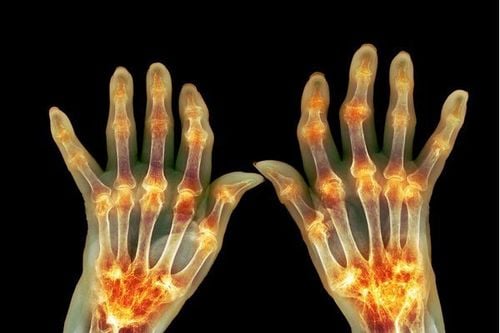
Pain in the buttock (gluteal) muscles can arise from several conditions, such as muscle strain. In most cases, it is not dangerous. However, if the pain persists, it may indicate underlying issues like herniated or degenerated discs, or sciatic nerve compression.
1. The Function of the Gluteal Muscles and Gluteal Pain Syndrome
The gluteal muscles play an essential role in maintaining stability while walking and standing. They help reduce pressure on the lower back and stabilize the pelvis and lower body. The gluteal region consists of three muscle groups: Gluteus maximus – the main muscle responsible for hip extension. Gluteus medius and gluteus minimus – help stabilize the hip and knee joints.
Gluteal pain syndrome is often overlooked because the pain may initially be mild or intermittent. However, if ignored, it can worsen and become more difficult to treat.
Gluteal pain syndrome can have many causes. While most cases are mild and self-limiting, persistent pain should prompt medical evaluation to rule out underlying causes.

2. Causes of Gluteal Muscle Pain
2.1 Muscle Strain
Each of the three gluteal muscles can stretch and contract. However, overstretching or sudden movement can lead to small muscle tears, resulting in pain, swelling, and stiffness.
Common causes include overexertion during sports or heavy activity, a lack of warm-up before exercise, or sudden changes in movement or direction

2.2 Sciatica
Although sciatica is not a direct cause of buttock pain, it can radiate from the lower back into the gluteal region. Thus, pain in the buttocks may be an early warning sign of sciatic nerve compression.
2.3 Skin and Soft Tissue Infections
Infections, inflammation, or boils on the buttocks can cause pain, swelling, redness, and warmth. These symptoms often worsen when sitting or lying down. Neglecting skin infections in this area may lead to deep abscess formation, particularly when worsened by factors like injections, scratching, or squeezing.

2.4 Herniated Disc
Compression of nerves due to a herniated disc or degenerative disc disease can lead to pain radiating to the buttocks.
The pain often worsens when bending forward or lifting heavy objects.
3. Diagnosing Gluteal Pain Syndrome
Diagnosis typically relies on clinical examination. There are no specific laboratory tests for this condition, as it is usually secondary to another musculoskeletal disorder.
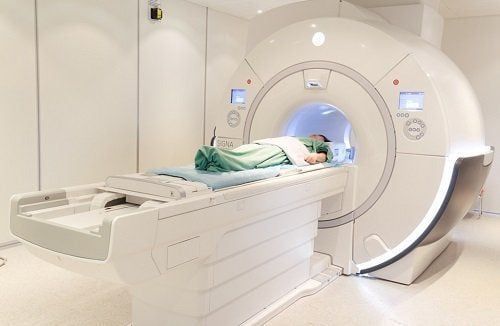
Doctors may use imaging techniques such as: X-rays or MRI scans to detect the underlying cause before treatment of gluteal pain syndrome.
4. Treatment of Gluteal Pain Syndrome
Effective treatment requires treating the underlying cause. Common causes include bruising or muscle strain and can be managed at home by applying cold or warm compresses to reduce pain and swelling and performing gentle stretching exercises to promote recovery. If the pain is severe, patients can take pain relievers such as paracetamol or naproxen
If the underlying cause requires further investigation, patients are advised to seek medical help for appropriate and individualized treatment.
Read more:
To arrange an appointment, please call HOTLINE or make your reservation directly HERE. You may also download the MyVinmec app to schedule appointments faster and manage your reservations more conveniently.