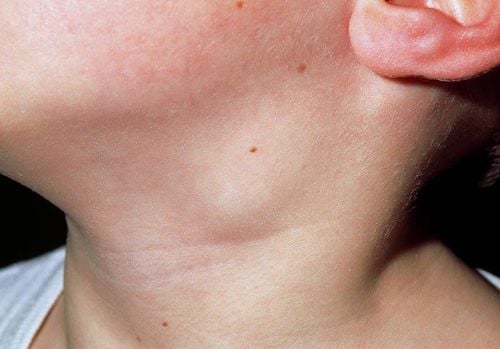
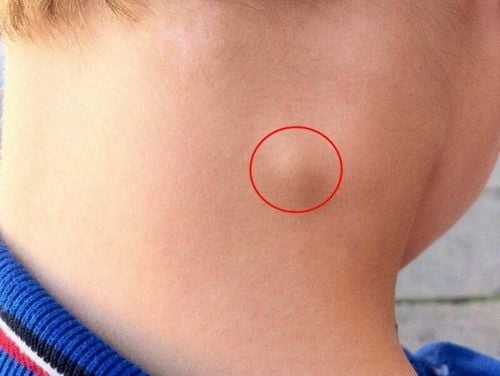
Swollen lymph nodes in any part of the body can be a warning sign indicating an underlying health condition that requires attention. Whether caused by a serious or benign factor, understanding this phenomenon is essential for proper self-care and greater peace of mind in daily life.
1. Lymph Nodes and Their Function
Lymph nodes are lymphoid structures (reticuloendothelial tissue) distributed throughout various parts of the body, from internal organs and the abdominal cavity to subcutaneous soft tissues. They play a crucial role in disease defense, particularly against infections. When lymph nodes become swollen and tender upon palpation, it is a natural immune response of the body. In most cases, this reaction is benign; however, it can sometimes be an early warning sign of serious medical conditions.
1.1 What is Lymph Node Swelling?
Lymph nodes are located in various regions of the body, such as the neck, supraclavicular area, armpits, and groin. Under normal conditions, they remain unnoticeable, but they enlarge when actively fighting infections or diseases. The lymphatic system functions as a part of the body’s immune defense, helping to eliminate bacteria, viruses, and abnormal cells upon their invasion.
The primary role of lymph nodes is to produce lymphocytes and antibodies to combat pathogens. Lymph node swelling occurs when small, pea-sized lumps develop along the wrists, hands, ankles, feet, armpits, neck, and groin. These nodes are typically oval or round in shape and may contain fluid. When pressed, swollen lymph nodes often cause discomfort or pain.

2. Common Sites of Lymph Node Swelling
2.1. Swollen Lymph Nodes in the Groin
Swelling and tenderness of lymph nodes in the groin (inguinal lymphadenopathy) are commonly associated with infections of the genital and urinary tract, such as Chlamydia or syphilis.
Additionally, bacterial infections from skin abrasions, abscesses, or boils in the lower limbs or pelvic area can also cause swollen and tender inguinal lymph nodes.
Certain blood disorders, such as acute leukemia, may also lead to significant lymph node enlargement. These lymph nodes are typically enlarged, soft, and mobile, appearing in multiple areas where lymph nodes are normally found, including the supraclavicular fossa, axilla, groin, mediastinum, and mesentery.
Patients may also experience high fever, rapid spleen enlargement, and bleeding tendencies. In chronic lymphocytic leukemia (CLL), lymph nodes initially appear small but grow progressively over several months, eventually becoming larger, softer, and more mobile.
2.2. Swollen Lymph Nodes Behind the Ear and in the Neck
Swollen lymph nodes behind the ear are relatively common and may result from systemic infections, tuberculosis, or malignancies such as head and neck cancer or thyroid cancer. In children with weaker immune systems, lymph nodes may enlarge spontaneously without an underlying disease. As their health stabilizes, the swelling typically resolves.Under normal conditions, lymph nodes measure only a few millimeters in size, remain soft, and are difficult to palpate. However, in cases of infection or cancer (whether primary lymphoma or metastatic lymphadenopathy), the nodes can become enlarged, painful, adherent, and firm.
Swollen lymph nodes behind the ear are an unusual sign, yet many people mistakenly attribute them to acne or lipomas. It is important to be cautious, as this may be an early warning sign of several serious conditions, including:
Cancer
Enlarged and swollen lymph nodes behind the ear may indicate head and neck cancers, particularly thyroid cancer. Studies have shown that most thyroid cancer patients develop progressively enlarging lymph nodes over time. Initially, these nodes may remain mobile, but as the disease advances, they become firmly attached, increasingly painful, and hardened upon palpation.
Lymphatic System Disorders
The lymphatic system consists of lymphatic vessels and numerous lymph nodes, which play a crucial role in filtering bacteria and toxins from the body. When the lymphatic system is affected, the lymph nodes may become enlarged and swollen. This lymph node swelling can occur around the neck region, potentially disrupting the body's detoxification process.
Symptoms of Infections
When viruses and bacteria accumulate, they can cause swollen and painful lymph nodes around the neck and ears, leading to infections such as pharyngitis, chickenpox, measles, and mononucleosis. If left untreated, these infections may lead to serious complications, such as mastoiditis.
Mastoiditis is an infection of the mastoid bone, located behind the ear. If an ear infection is not properly treated, it can progress to a more severe infection, resulting in mastoiditis. This condition may cause the formation of pus-filled cysts, which appear as lumps behind the ear.
Sebaceous Cysts
Swollen lymph nodes in the neck and ear region may also be caused by sebaceous cysts. These cysts develop in the sebaceous glands when they become damaged or when oil production is obstructed. Certain injuries, such as scratches or acne, can weaken the sebaceous glands, leading to cyst formation.
2.3 Axillary Lymphadenopathy
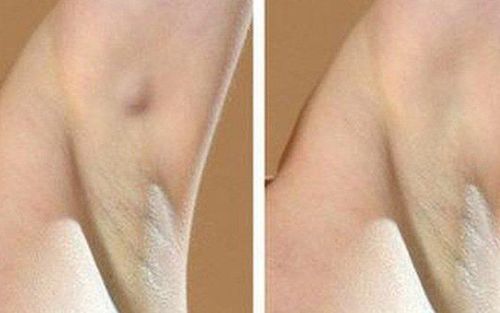
Once enlarged, axillary lymph nodes can be easily felt, with their size varying depending on the underlying cause. On palpation, they typically have well-defined borders, are round or slightly elongated, and feel firm to the touch. They may exhibit slight mobility and cause discomfort or tenderness when pressed.
If axillary lymph node swelling is due to inflammation, it is often accompanied by pain, swelling in the chest area, fatigue, and fever. Benign lymph nodes function as part of the immune system, helping to combat infections. As a result, they may shrink and disappear on their own without the need for treatment or intervention.
However, if the swelling is not caused by inflammation, it warrants careful attention, as it could be an early warning sign of serious underlying conditions, such as:
- The presence of tumors in the lymph nodes or surrounding areas.
- Leukemia-related disorders.
- Hodgkin’s lymphoma.
- Melanoma (skin cancer).
- Non-Hodgkin’s lymphoma.
- Breast cancer.
Particularly, swollen lymph nodes in the armpit may serve as an early warning sign of advancing breast cancer, signaling that cancer cells have spread to the axillary lymph nodes. This is a critical factor in assessing disease progression.
Other potential warning signs of breast cancer that should not be ignored include:
- A palpable lump in the breast
- Unusual nipple discharge
- Changes in breast shape or size
- Dimpling or thickening of the skin, resembling an orange peel texture
- Fever
- Irregular menstrual cycles
3. How to Differentiate Between Benign and Malignant Lymph Nodes
According to specialists, distinguishing between benign and malignant lymph nodes can be based on several key characteristics:
- Size: Benign lymph nodes are typically small, measuring only a few millimeters to less than 1 cm, and rarely enlarge over time. In contrast, malignant lymph nodes tend to be larger, progressively increase in size, and may appear in multiple locations.
- Mobility: Benign lymph nodes remain freely movable and are not adhered to surrounding tissues, whereas malignant lymph nodes are often fixed, less mobile, and feel firmly attached when palpated.
- Persistence: Benign lymph nodes usually resolve on their own within a few days or, at most, 3–4 weeks. However, if a lymph node persists for over a month without improvement, it may signal an underlying chronic condition or even a potential malignancy, warranting further medical evaluation.

- Associated conditions: Benign lymph nodes often appear in response to localized infections or inflammation. As the underlying infection subsides, the lymph nodes gradually shrink and disappear.
Not everyone can easily distinguish between benign and malignant lymph nodes, and their characteristics may vary depending on the underlying condition. Therefore, if an abnormal or unexplained lymph node enlargement occurs, it is best to seek medical evaluation at a reputable healthcare facility for an accurate diagnosis.
Depending on the location of the swollen lymph nodes and clinical findings, doctors may recommend further diagnostic tests such as endoscopy, ultrasound of the affected area, CT scans, or lymph node biopsy.
If you require consultation or a medical examination, please schedule an appointment with hospitals within the nationwide healthcare system for the best possible care.
Read more:
To arrange an appointment, please call HOTLINE or make your reservation directly HERE. You may also download the MyVinmec app to schedule appointments faster and manage your reservations more conveniently.