1. What are corticosteroids?
Corticosteroids (also called steroids) are synthetic analogues of endogenous glucocorticoids. They work by binding to glucocorticoid receptors in the cell nucleus, thereby modulating the synthesis of anti‑inflammatory mediators.
These effects can last for several weeks, helping control swelling, heat, redness, and pain, and improving comfort for the patient.
2. Impact of corticosteroids on blood glucose
Studies have shown that steroid injections into joints may affect the hypothalamic–pituitary–adrenal axis.
Even when administered locally (for musculoskeletal use), corticosteroids can alter glucose metabolism in a way similar to systemic (oral) steroids: increasing insulin resistance and impairing pancreatic beta‑cell function, thereby causing hyperglycemia.
In 2015, a study was conducted to investigate the use of cortisone injections for treating musculoskeletal conditions in the hand, such as carpal tunnel syndrome and trigger finger, among diabetic patients. Participants were monitored daily until their musculoskeletal symptoms resolved.
The study found that:
- After injection, 80% of patients experienced elevated blood glucose levels.
- The HbA1c (hemoglobin A1C) level, which measures diabetes severity and reflects blood sugar rise, indicated that when HbA1c exceeded 7%, post-injection blood sugar increased more and remained elevated longer.
- After a few days, blood glucose levels returned to normal, and no case showed poor glycemic control lasting more than 5 days.
This was a relatively small study involving 25 musculoskeletal patients who received arm injections and only one type of cortisone.
Temporary hyperglycemia may be asymptomatic or present with fatigue and hyperosmolarity. Normally, it resolves on its own, but if it persists after discontinuing steroids, it is classified as steroid-induced diabetes.
Patients receiving corticosteroid injections may experience fatigue and elevated blood glucose levels.

3. Monitoring Corticosteroid Injections in Diabetic Patients
Blood sugar levels may rise after intra-articular steroid injections, but this effect is short-lived and depends on the drug type and injection site.
Notably, steroids can affect glucose for up to 5 days post-injection. Therefore, patients with well-controlled type 2 diabetes should monitor their glucose at home after injection.
Doctors should closely follow patients for 2 weeks after steroid injection if musculoskeletal surgery or emergency surgery is planned.

Those who were unaware of having diabetes but record glucose levels above 12 mmol/L (216 mg/dL) while using steroids must receive treatment to maintain glucose between 6 and 10 mmol/L.
Before starting steroids, HbA1c testing is essential, especially in patients at high risk for steroid-induced diabetes.
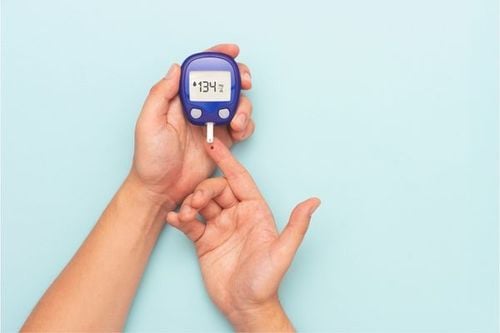
Diabetic patients with musculoskeletal disorders are advised to check blood glucose four times per day and begin treatment when two consecutive readings exceed 12 mmol/L.
At this point, insulin therapy (subcutaneous injections) should be prioritized over oral hypoglycemic agents to control blood glucose effectively.
4. Monitoring for Infection After Injection
People with diabetes are more prone to infections due to hyperglycemia, especially after procedures or surgeries—including corticosteroid injections.
Although the hyperglycemic effect of corticosteroids is typically too short to affect orthopedic surgery at the injection site, local steroid effects increase infection risk.
To minimize infection around the injection site, steroids are usually avoided for about 3 months after surgery in that area.
In summary, corticosteroids can cause significant metabolic changes in glucose, particularly in patients with a history of diabetes. Therefore, careful blood-sugar monitoring and dosage adjustment of corticosteroid injections in diabetic patients are crucial to prevent dangerous complications.
To arrange an appointment, please call HOTLINE or make your reservation directly HERE. You may also download the MyVinmec app to schedule appointments faster and manage your reservations more conveniently.