Cereals are a type of food that is easy to eat and convenient. Many people are confident about the health benefits and try to promote the nutritional value of eating cereals. But have you ever wondered if eating cereals can make you gain weight?
1. Understanding the nutritional value found in cereals
Cereals provide you with numerous nutritional benefits. According to nutrition experts, cereals are rich in iron, magnesium, potassium, and various vitamins. These essential nutrients are necessary for the body to enhance metabolism, improve digestive health, and eliminate harmful fats.
Consuming healthy cereals in the morning helps the body absorb beneficial nutrients, preventing the digestive system from being overloaded and keeping you full for longer. As a result, we tend to eat less during other meals throughout the day, which helps in long-term weight management.
Benefits of cereals
Cereals contain many antioxidants, such as avenanthramides, which are beneficial for heart health; for example, oats can reduce the risk of cardiovascular diseases.
They help prevent cancer due to their high fiber content, which aids in cleansing the intestines. Notably, cereals contain phytosterols that promote the production of Lignans, which can help prevent colorectal and breast cancer. Cereals also help stabilize blood sugar levels; diabetic patients can consume low-sugar whole grains because they are high in fiber and carbohydrates, which slow down the metabolism of sugar in the body, thereby balancing blood sugar levels.
Cereals are also considered a golden source of nutrition for pregnant and breastfeeding women. Nutrition experts recommend that pregnant women consume them daily, as cereals contain iron and folic acid, which can regenerate red blood cells and prevent congenital disabilities in the fetus. Breastfeeding women can use cereals to reduce hunger and promote milk production.
For women, cereals can also help increase breast size and maintain youthful features due to their estrogen content, a compound that stimulates breast growth. Additionally, low-fat, high-fiber cereals help support anti-aging.

2. What are breakfast cereals?
Breakfast cereals are processed cereals that are often fortified with vitamins and minerals. They are typically eaten with yogurt, milk, fruit, or other types of nuts.
Breakfast cereals can be puffed, flaked, or chopped, but they may contain added sugars, and consuming them too frequently can contribute to weight gain and health issues such as tooth decay and high blood pressure. It is important to wisely choose healthy whole grain cereals that contain less sugar, fat, and salt.
Whole grain cereals are rich in fiber and B vitamins, along with other nutrients that promote a healthy digestive system. A study has shown that a high-fiber diet can help reduce the risk of developing heart disease and type 2 diabetes.
3. How to choose healthy cereals?
When you want to lose weight and select cereals for your diet, you should keep the following points in mind:
- Limit sugar: Choose cereals with less than 5 grams of sugar per serving.
- Choose high fiber options: Breakfast cereals containing at least 3 grams of fiber per serving are optimal. Consuming enough fiber can provide numerous health benefits.
- Pay attention to calorie count: Breakfast cereals tend to be crunchy and tasty, making it easy to consume a large number of calories. Try to measure how much you are eating and use the serving information on the packaging to know how many calories you have consumed.
- Check product labels for fat, sugar, and salt content: You can use the information per 100 grams listed on the label to determine the product specifications of that cereal.
- Add some protein: Protein is the most complete macronutrient. It increases feelings of fullness and reduces cravings. This may be due to protein altering the levels of certain hormones, such as the hunger hormone ghrelin and the satiety hormone known as peptide YY.

4. Do cereals support weight loss?
Many people lose weight by incorporating cereals into their diet due to the calorie restriction involved. A study involving 24 adults in the "Special K Challenge" organized by Kellogg's, which lasted for two weeks, showed that participants reduced their calorie intake by about 600 calories per day, leading to weight loss and a decrease in body fat. However, this weight loss may not be sustainable. Significantly reducing your calorie intake by following a restrictive diet like the cereal diet has been shown to make weight loss more difficult and maintaining it in the long term challenging.
Cereals contain a considerable amount of fiber, and a higher intake of whole grains is associated with better health outcomes and a reduced risk of mortality from all causes.
In fact, in a review of studies involving over 1 million participants, consuming 28 grams of whole grains daily was linked to a 9% reduction in the risk of death from any cause and a 14% reduction in the risk of death from heart disease. The fiber in whole grains promotes healthy digestion and can help you manage your weight. However, it is important to note that simply increasing your intake of whole, nutrient-dense foods like vegetables and fruits can provide similar benefits.

5. Limitations of cereals
A diet that relies on cereals can contain a lot of sugar, even if you choose products that are low in sugar. Furthermore, both cereals and milk have high carbohydrate content, which is broken down into sugars that provide energy for your body. While these natural sugars are not necessarily unhealthy, they can make weight loss more challenging and lead to fluctuations in blood sugar levels for some individuals.
It is also important to note that a cereal-based diet may be low in protein, healthy fats, and total calorie intake unless it is very carefully planned. Your body needs protein to build and maintain muscles, tissues, and enzymes; protein-based compounds direct various functions in the body. Like fiber, protein also helps you feel full.
In fact, excessive calorie restriction can cause changes in metabolism, making it difficult to maintain weight loss, as well as leading to fatigue and decreased mental well-being. Eating cereals can support your weight loss efforts if you know how to use them and combine them with certain foods in a reasonable way.
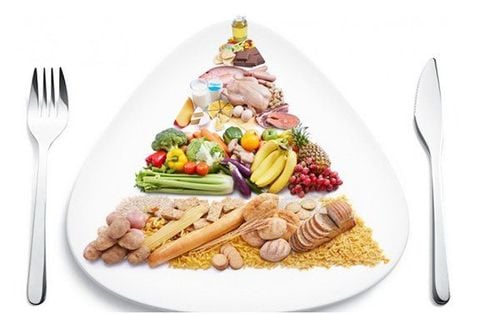
- Carbs: whole grain cereals, bread, pasta, oatmeal, buckwheat, popcorn.
- Fruits: any type of fruit, such as apples, bananas, oranges, strawberries, and watermelon.
- Vegetables: any type of vegetable, including lettuce, spinach, carrots, bell peppers, and mushrooms.
- Protein: beans, tofu, peanut butter, egg whites, lean meat, chicken, or turkey breast.
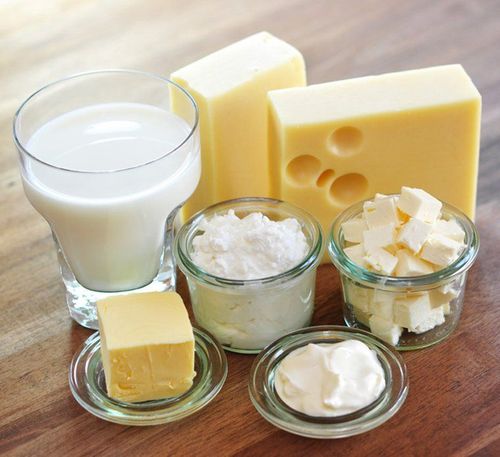
- Dairy: low-fat or fat-free milk, low-fat or non-fat yogurt, low-fat cheese, Greek yogurt.
- Fats: reduced-fat spreads, olive oil (in moderation), reduced-fat mayonnaise.
When choosing cereal products to support weight loss, it is best to select those that are high in fiber and low in sugar. However, if you want to achieve long-term weight loss, it is advisable to choose a more balanced diet for optimal weight loss results.
To arrange an appointment, please call HOTLINE or make your reservation directly HERE. You may also download the MyVinmec app to schedule appointments faster and manage your reservations more conveniently.