Choline is an essential nutrient necessary for various functions, from maintaining cells to producing neurotransmitters. Although rare, choline deficiency can lead to elevated liver enzymes, liver disease, heart disease, and even neurological disorders.
1. What is Choline?
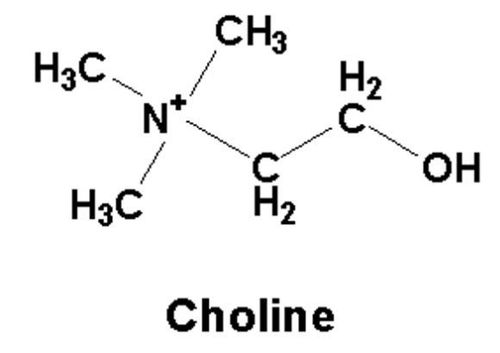
Choline is an essential nutrient naturally found in certain foods and available as a dietary supplement. While the body can produce a small amount in the liver, it is not sufficient to meet daily needs. Choline is converted into a neurotransmitter called acetylcholine, which helps muscles contract, triggers pain responses, and plays a role in memory and cognitive functions. Most choline is metabolized in the liver, where it is transformed into phosphatidylcholine, which supports fat transport proteins and breaks down cholesterol. It also serves as “food” for beneficial gut bacteria.
2. Individuals at Risk of Choline Deficiency
Although choline deficiency is rare, certain groups are at higher risk:
- Endurance athletes: Levels may drop during prolonged endurance exercises, such as marathons. It remains unclear whether supplementation improves performance.
- Heavy alcohol consumers: Alcohol can increase choline demand and deficiency risk, especially when dietary intake is low.
- Postmenopausal women: Estrogen aids in choline production. Since estrogen levels tend to decrease after menopause, postmenopausal women may be more susceptible to deficiency.
- Pregnant women: Choline requirements increase during pregnancy, likely due to the fetus's need for choline for development.
3. The Relationship Between Choline and Health Conditions
3.1. Cardiovascular Disease
Choline is thought to both protect against and contribute to cardiovascular disease (CVD). Together with vitamin B folate, choline helps reduce blood homocysteine levels by converting it into methionine. High homocysteine levels are a risk factor for CVD. Choline may also help lower blood pressure and reduce stroke risk.
However, choline can also negatively affect heart health. Gut bacteria metabolize choline into a byproduct called trimethylamine (TMA), which is further converted in the liver into trimethylamine-N-oxide (TMAO). Higher TMAO blood levels have been linked to an increased risk of cardiovascular disease in animal studies. However, it is unclear whether TMAO directly causes CVD or is merely a marker of an underlying disease process leading to CVD.
Other large epidemiological studies have found no significant association between high choline intake and increased CVD risk, though these studies did not specifically measure TMAO blood levels. More research is needed to understand the link between choline-rich diets and cardiovascular disease.
3.2. Type 2 diabetes
In three large groups of men and women, higher dietary phosphatidylcholine intake was associated with an increased risk of type 2 diabetes. Those consuming the most choline-rich diets had a 34% higher risk of developing type 2 diabetes than those with the lowest intake. The exact mechanism behind this association remains unclear and requires further research.

3.3. Non-Alcoholic Fatty Liver Disease
A link exists between choline deficiency and liver disease. Phosphatidylcholine helps transport fats out of the liver, so a lack of choline may lead to excessive fat accumulation in the liver. This increases the risk of non-alcoholic fatty liver disease (NAFLD), which can progress to cirrhosis (inflammation and hardening of liver tissue), liver cancer, or liver failure. This ultimately disrupts normal liver function. Changes in choline or phosphatidylcholine metabolism may also negatively affect certain biochemical pathways leading to this disease.
NAFLD is most common in overweight or obese individuals, and the primary treatment is weight loss through calorie restriction and exercise. While choline deficiency may contribute to liver dysfunction, it is unclear whether dietary choline intake or supplementation can effectively treat NAFLD.
3.4. Cognitive Function
Choline is linked to brain health as it is converted into acetylcholine, which plays a role in memory and cognition. Studies have shown that people with Alzheimer's disease have lower levels of an enzyme that converts choline into acetylcholine, leading to the hypothesis that higher dietary choline intake may prevent cognitive decline.
Although some observational studies have found that higher choline intake is associated with better cognitive function, clinical trials have not demonstrated that choline supplementation significantly improves cognitive measures.
4. Choline-Rich Foods
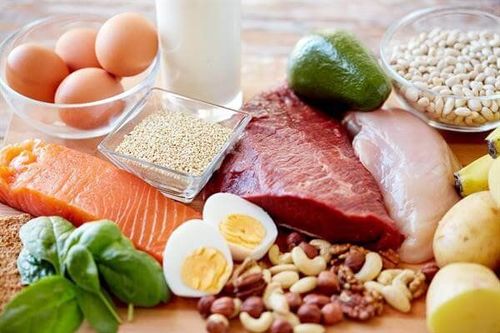
Choline is found in various foods. High-choline foods include lean chicken, fish, pork, eggs, beef, shrimp, peanut butter, low-fat milk, broccoli, and green beans. Below is a list of common choline-rich foods:
4.1. Peanut butter
Peanut butter contains more choline than 38% of foods. 100g of peanut butter provides 11% of the daily choline requirement.
It is also high in calories, fats, and monounsaturated fats.
4.2. Eggs
Eggs contain more choline than 54% of foods. 100g of eggs provides 53% of the daily choline requirement.
They are also rich in cholesterol, vitamin B2, and vitamin A.
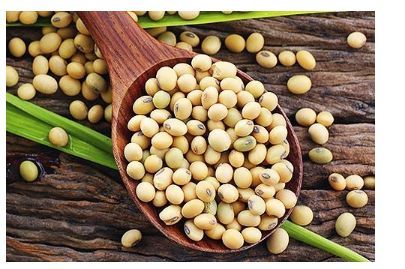
4.3. Soybeans
Soybeans contain more choline than 52% of foods. 100g of soybeans provides 21% of the daily choline requirement.
They are also high in protein, iron, and potassium.
4.4. Mackerel
Mackerel contains more choline than 50% of foods. 100g of mackerel provides 18% of the daily choline requirement.
It is also rich in sodium, ash, and fats.
4.5. Green beans
Green beans contain more choline than 49% of foods. 100g of green beans provides 18% of the daily choline requirement.
They are also high in potassium, fiber, and iron.
4.6. Pork
Pork contains more choline than 48% of foods. 100g of pork provides 17% of the daily choline requirement.
It is also rich in protein, vitamin B1, and potassium.

4.7. Lamb
Lamb contains more choline than 48% of foods. 100g of lamb provides 17% of the daily choline requirement.
It is also high in cholesterol, protein, and saturated fats.
4.8. Chicken
Chicken contains more choline than 46% of foods. 100g of chicken provides 16% of the daily choline requirement.
It is also rich in protein, cholesterol, and vitamin B3.
4.9. Beef
Beef contains more choline than 45% of foods. 100g of beef provides 15% of the daily choline requirement.
It is also high in protein, zinc, and cholesterol.

4.10. Frog legs
Frog legs contain more choline than 39% of foods. 100g of frog legs provides 12% of the daily choline requirement.
They are also rich in water, copper, and protein.
5. Signs of Deficiency and Toxicity
5.1. Signs of deficiency
Choline deficiency is rare in healthy individuals since the body can produce some choline. Additionally, dietary choline needs vary depending on factors such as genetics and estrogen levels. For example, premenopausal women may require less dietary choline because higher estrogen levels stimulate choline production in the body. Some individuals with genetic variations affecting choline metabolism may require higher dietary choline intake.
Severe choline deficiency can lead to muscle or liver damage and non-alcoholic fatty liver disease.
Pregnant women: In addition to generally low dietary intake, prenatal supplements often do not contain choline.
Patients on total parenteral nutrition (TPN): TPN is administered intravenously to individuals who cannot tolerate solid food due to illness, surgery, or digestive conditions.

5.2. Toxicity
Excessively high choline intake can lead to low blood pressure (hypotension) and liver toxicity. It may also cause excessive production of trimethylamine-N-oxide, which is associated with an increased risk of cardiovascular disease. Other symptoms include excessive sweating, intensified body odor, or nausea. The tolerable upper intake level for choline in adults aged 19 and older is 3,500 mg per day, based on the amount shown to cause these side effects. Reaching such high levels is most likely due to extremely high-dose supplementation rather than dietary intake alone.
Read more:
To arrange an appointment, please call HOTLINE or make your reservation directly HERE. You may also download the MyVinmec app to schedule appointments faster and manage your reservations more conveniently.