1. Causes of malnutrition in young children
Malnutrition in children is often common during the period from 6 to 24 months of age, which is a stage when children have high nutritional needs, are adapting to their environment, and are very sensitive to diseases. Malnutrition is a condition where the body does not receive sufficient energy, especially protein, as well as other micronutrients to ensure normal development. Malnutrition is considered a pathological condition and is often encountered in children under 3 years old.
Malnutrition in children can stem from various causes. The causes of malnutrition can include:
- Due to nutritional practices: Raising children improperly; children not being breastfed adequately when the mother lacks or loses milk; introducing complementary foods incorrectly due to lack of knowledge or time to care for children.
- Due to prolonged illness: Children suffer from respiratory infections, recurrent gastrointestinal infections, complications after pneumonia, measles, dysentery...
- Due to congenital abnormalities: premature birth, fetal malnutrition, cleft lip and palate, congenital heart defects.
- Due to socio-economic conditions: Malnutrition is a condition considered characteristic of poverty and backwardness, related to economics, culture, and education. This is a characteristic disease model that typically only appears in developing countries.
To know if a child is malnourished or not, mothers need to regularly monitor the child's weight on the daily growth chart. If you notice that the child has not gained weight for 2 to 3 consecutive months, you need to consult a doctor to find out the cause.
According to the weight/age standard, malnutrition is classified into three degrees as follows:
- Grade I malnutrition: Weight is 90% of the age norm.
- Grade II malnutrition: Weight is 75% of the age-appropriate weight.
- Grade III malnutrition: Weight is below 60% of the age norm.
Additionally, mothers can also pay attention to the typical signs of malnutrition in children below to prevent this condition from occurring in their children:
- Not gaining weight normally or even losing weight
- Flabby meat, shriveled arm fat
- Shrinking or losing all the subcutaneous fat layers in the abdomen.
- Pale skin, sparse hair that falls out easily and changes color.
- Poor appetite, frequent digestive disorders: Passing undigested stools, diarrhea, and this condition tends to recur multiple times.
Severe malnutrition in children can present with edema, wasting, or symptoms of vitamin deficiency such as night blindness, dry cornea, and corneal ulcers. Currently, severe cases are very rare.

2. What should malnourished children eat?
Experts recommend that it is best not to let children suffer from malnutrition, as this can affect their normal development and even leave unpredictable consequences later on. However, if the child is already malnourished, the question of "how to care for a malnourished child?" Or what to give malnourished children to drink and eat?" is also very important.
To end the state of malnutrition in children or to minimize the impacts of malnutrition on them, parents need to supplement their children with essential nutrients, especially those that the child's body is lacking, through daily meals with appropriate foods. The group of nutrients that malnourished children need to be supplemented includes:
- Fat
Fat is a top priority nutrient group that must be included in the diet for malnourished children.
Fat helps provide most of the essential energy for the body to function throughout the day, while also creating layers of fat that help keep the body warm. The fatty acids found in food also help prevent blood clotting, stimulate the activity of the young brain, support and enhance the absorption of vitamins, and have a rapid wound healing effect.
- Plant and animal protein
Protein is an extremely important component for a child's development. Protein plays a role in forming and replacing damaged cells, helping to effectively prevent malnutrition. Protein is also a component that makes up muscles, blood, lymph, hormones, enzymes, antibodies, and exocrine and endocrine glands. Thanks to protein, children's immunity is boosted, providing energy for their normal activities. In addition, protein also participates in the metabolism of vitamins and other nutrients.
- Calcium
Calcium is the most important mineral that helps children develop their bones and joints and grow taller in a normal, stable manner. In addition, calcium also participates in maintaining the activity of muscles, the nervous system, hair, and nails. Supplementing calcium into the care regimen for malnourished children can help them become more active, agile, taller, and smarter.
- Vitamin A
In addition to the aforementioned nutrients, malnourished children also need to have vitamin A added to their diet. Vitamin A helps boost resistance and the immune system to help children prevent illness. Vitamin A deficiency makes children more susceptible to infections, increasing the risk of malnutrition in children.
- Vitamin D
Vitamin D is a type of vitamin that helps support the process of transporting calcium into the blood, allowing the body to absorb calcium better. A child's body lacking vitamin D can affect the bone formation process, the intestines do not absorb enough calcium and phosphorus, leading to decreased blood calcium levels and an increased risk of malnutrition.
- Vitamin C
Vitamin C is a substance that helps boost the immune system, keeping the baby healthy, and enhances collagen for the baby's skin to be firm and elastic. Vitamin C also participates in the transmission of nerve impulses, while enhancing the absorption of folic acid, iron, and calcium, effectively improving the symptoms of malnutrition.
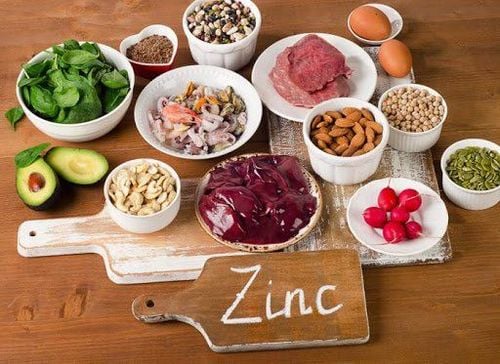
- Zinc
Zinc is a substance that participates in the process of blood formation, helping the baby look rosy and healthier. Providing enough zinc also helps children increase their resistance, boost intelligence, reduce the risk of infections, and stimulate appetite in young children.
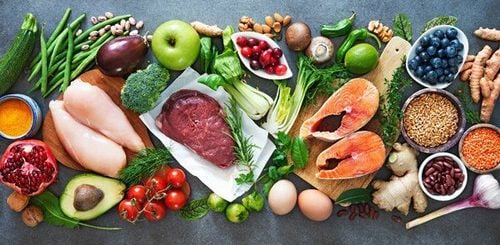
3. Foods that should be used in the care of malnourished children
Corresponding to the nutrients, malnourished children need to supplement the following foods:
- Milk and dairy products
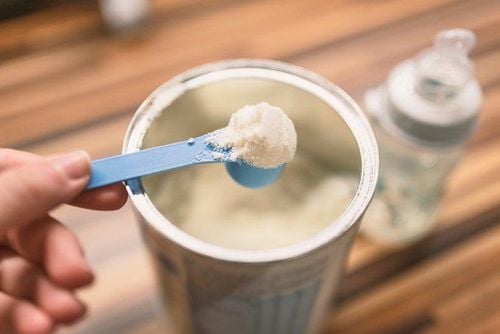
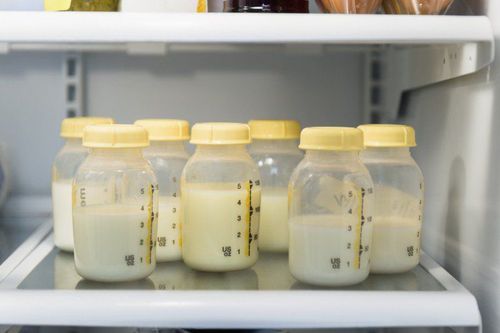
Milk and dairy products play an extremely important role for malnourished and stunted children. Milk and dairy products such as cheese and yogurt are rich in calcium and fat (2 very important ingredients to improve the nutritional status of children). For children who are not malnourished, experts still recommend drinking a glass of milk every day to help the body become healthier, children grow taller and stimulate the brain to function effectively.
- White rice
Rice contains a high starch content, helping to provide energy for children to be active all day long. In addition, white rice also contains many nutrients such as protein, thiamine, vitamin B1, vitamin K and iron. These are all important nutrients necessary for the comprehensive physical and mental development of children.
Malnourished children should eat more rice in their daily meals. If children are picky eaters and do not want to eat rice, parents can prepare it in the form of thin porridge cooked with meat to make it easier for them to eat.
- Potatoes
Potatoes are a food rich in natural glucose, along with a very high content of fiber, vitamin C, vitamin B6 and folic acid. Including potatoes in the daily menu helps children improve their resistance, limit the risk of infectious diseases, and at the same time increase the absorption of nutrients in the body more effectively - this is especially important for children with malnutrition.
In addition, potatoes are a food that can be processed into many nutritious dishes to help treat and prevent malnutrition in children. Mothers can prepare many dishes from potatoes to change the taste and stimulate the appetite of children.
- Pork
Pork is a popular dish often found in every family's meals because it has high nutritional content and reasonable price. Pork contains many vitamins, most notably vitamin A and vitamin E, which help strengthen the immune system and resistance of young children. The nutrients in pork are essential for growth, muscle and nerve tissue recovery, and participate in the process of blood formation.
- Beef
Beef is often used to nourish people who have just recovered from illness and people with weak health or malnutrition. This food helps improve resistance, build a strong immune system and help limit diseases in children.
The iron content in beef is also proven to be very abundant, helping to support the effective blood-forming process, while containing substances such as zinc, magnesium, protein, and calcium, which also help restore health quickly. Stir-fried beef with vegetables, beef steak, and beef stew with bread are delicious and nutritious dishes that children love.
- Shrimp, crab, fish
Seafood in general and popular foods such as shrimp, crab, and fish are essential in children's meals, especially malnourished children.
Shrimp, crab, and fish are foods rich in calcium, helping children increase their height quickly and effectively. Eating these foods regularly will help children grow taller, have flexible muscles, and stronger teeth and hair. There are many dishes made from shrimp, crab, fish that mothers can prepare and change in the menu for malnourished children every day such as fish soup, steamed fish, crab soup, fried shrimp, pork belly...
- Eggs
Eggs are considered one of the most perfect foods because they contain high levels of protein and natural fats, bringing many benefits to the body. Eating 3-5 eggs a week can help children increase their height and stimulate brain development.
Eggs are also one of the easiest foods to prepare and combine with other foods.
- Quail
According to Oriental medicine, quail has a sweet taste, neutral properties, has the ability to nourish the five internal organs, the spleen, the mind, and calm the body, very suitable for children who are malnourished.
Processing quail properly will help children sleep well, increase blood circulation, and treat symptoms of long-term diarrhea and constipation. Mothers should stew quail with some traditional Chinese medicine to nourish their children to restore their health.
- Cereals
Cereals are products made from grains such as wheat, sesame, corn, beans... In addition to starch providing energy, cereals contain high fiber content and are very good for digestion. In addition, black sesame cereals also contain many nutrients such as Protein, Lipid, Calcium, Phosphorus, Iron... which are all essential for children's bodies. Mothers can use cereal mixed with milk to make breakfast for their children, which is both convenient and delicious.
- Green vegetables
Green vegetables are indispensable foods in every child's meal. Green vegetables contain extremely high amounts of calcium and vitamins, especially dark green vegetables. This food is also rich in fiber, helping to support the baby's digestion to work better.
Vegetables that should be increased for children to supplement nutrients include amaranth, spinach, broccoli... Mothers should combine these vegetables with meat to make the dish more delicious and attractive to children.
Malnutrition is one of the common diseases in developing countries, especially malnutrition in children. Malnutrition can leave serious consequences for the age group considered the future of the world, so preventing and caring for malnourished children is a top priority.
Malnourished children should be supplemented with all the necessary nutrients through dishes in daily meals. In addition, mothers should also pay attention to changing dishes every day to stimulate children's appetite, avoiding boredom in each meal that can cause children to lose their appetite and skip meals.
In addition, to prevent this condition, children need to supplement with essential micronutrients: Zinc, selenium, Chromium, Vitamin B1 and B6, Ginger, cherry extract (vitamin C), ... to improve taste, eat well, reach standard height and weight and exceed standard, good immune system, increase resistance to less illness and less digestive problems.
The improvement of symptoms can take place over a long period of time, so parents are advised to be calm and persistent when supplementing nutrients for children, both through food and functional foods. In particular, when using functional foods, you should choose those of natural origin that are easy to absorb, do not use many types at the same time or constantly change functional foods.
To arrange an appointment, please call HOTLINE or make your reservation directly HERE. You may also download the MyVinmec app to schedule appointments faster and manage your reservations more conveniently.