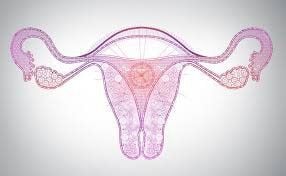
A newborn girl has about 1-2 million eggs, but by the time she reaches puberty, only about 300,000 eggs remain in the ovaries. Of these, only about 500 eggs will be released during the woman's reproductive years. The remaining eggs gradually die off over time and are depleted by menopause.
1. Do newborn girls have eggs?
When still a fetus in the early stages of development, a girl has around 6 million eggs. This number decreases steadily, and by the time the girl is born, she only has 1-2 million eggs. Sources may vary slightly, but the average is in the millions.
When born, a female infant already has all her egg cells. No new eggs are created throughout her life. This fact has long been accepted by science, though a small group of researchers still pursue studies to refute it.
Immature eggs are called oocytes. These egg cells “rest” in fluid-filled follicles until they begin to mature. The egg cells grow into ova (mature eggs).
Although eggs are already present in the body, the menstrual cycle only begins when the girl reaches puberty.
2. How many eggs do girls have during puberty?
Puberty begins when the hypothalamus in the brain produces gonadotropin-releasing hormone (GnRH). In turn, GnRH stimulates the pituitary gland to produce follicle-stimulating hormone (FSH). FSH triggers the development of eggs and increases estrogen levels. These major hormonal changes inside the body are the reason for mood swings in girls.
By the time puberty begins, a girl has between 300,000 and 400,000 eggs. The remaining eggs have died off before puberty, with about 10,000 eggs disappearing each month.
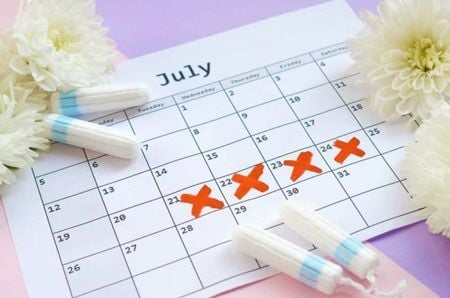
Menstruation starts about 2 years after the soft tissue develops into breasts. The average age of puberty is 12, but some girls experience early puberty around 8 years old, and most girls reach puberty before 15 years old.
3. How many eggs do women have after puberty?
The number of eggs that die each month decreases after puberty. Once the menstrual cycle begins, women release about 1,000 immature eggs each month, which is about 30-35 eggs per day.
Scientists are unsure of the exact reason for this, but they are certain that egg loss is not affected by common factors like hormones, birth control, pregnancy, supplements, health, or even diet. In some exceptional cases, smoking, chemotherapy, and radiation can accelerate egg loss.
Mature follicles become sensitive to the hormonal signals of the monthly menstrual cycle. However, only one egg is released during each cycle. There are a few exceptional cases where two eggs are released in a month, and if fertilized, they can result in fraternal twins.
4. How many eggs do women have when they reach adulthood and middle age?
By the age of 32, a woman’s fertility begins to decline, and this decline accelerates after the age of 37. By the time a woman reaches 40, most of her eggs have decreased to only about 3% of the number she had during fetal development.
There is no exact answer for how many eggs remain in a woman at the age of 40. Furthermore, certain factors—such as smoking—can result in fewer eggs than other women may have.

Studies have shown that women’s chances of getting pregnant decrease by 5% with each cycle. Statistics indicate that when only 25,000 eggs remain in the ovaries (around age 37), menopause will likely occur about 15 years later (around age 52). Some women will experience menopause earlier, while others may experience it later.
5. Egg quality decreases with age
After understanding how many eggs are in a woman’s ovaries, it's also important to consider the quality of the eggs.
Just before ovulation each month, the eggs begin to divide. Older eggs are more prone to errors during division, so they are more likely to contain abnormal chromosomes. This is why the risk of having a child with Down syndrome and other developmental disorders increases as you get older.
You can think of your ovaries like an army, with the healthiest soldiers at the front lines. As time passes, the higher-quality eggs are released or discarded, leaving only older, lower-quality eggs behind.

6. Ovaries after menopause
When the egg supply is depleted, the ovaries stop producing estrogen, and you will enter menopause. The exact timing of menopause depends on the number of eggs you were born with.
The difference between newborn girls is 1 or 2 million eggs. Therefore, if you were born with a larger number of eggs, you may have a better chance of naturally conceiving and giving birth in your mid- to late-40s.
7. Egg freezing technology
Egg freezing, also known as oocyte cryopreservation or elective fertility preservation (EFP), is a choice many women make to ensure they can have healthy children whenever they wish, without worrying about age.
Cancer patients about to begin chemotherapy may also be advised to freeze their eggs to preserve fertility. According to one source, the chances of getting pregnant with frozen eggs are better if done before the age of 35.
Other reproductive technologies, such as in vitro fertilization (IVF), are also helping women conceive in their 40s and even 50s. However, note that IVF with your own eggs is not a viable option if you have infertility issues and are over 40. In this case, using donated eggs from younger women can help you conceive in your 40s and 50s.
Reference source: webmd.comhealthline.com
Read more:
To arrange an appointment, please call HOTLINE or make your reservation directly HERE. You may also download the MyVinmec app to schedule appointments faster and manage your reservations more conveniently.