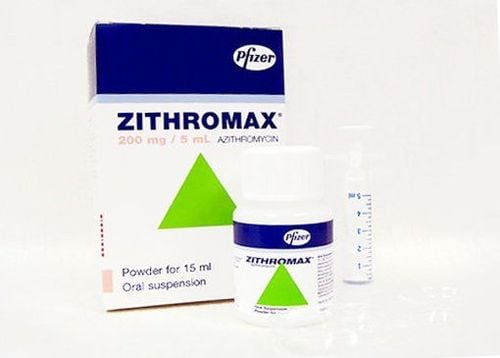
Rovamycine 3MIU is an antibiotic used to treat bacterial infections affecting the upper and lower respiratory tract, ear, nose, and throat (ENT), skin, lungs, and bronchi. It is available in tablet form, with each box containing 2 blister packs of 5 tablets. This article provides information on the uses, dosage, contraindications, precautions, and side effects of Rovamycine.
1. What Is Rovamycine Used For?
Rovamycine contains the active ingredient Spiramycin 3 million IU, along with excipients such as colloidal anhydrous silica, magnesium stearate, pregelatinized corn starch, hydroxypropyl cellulose, microcrystalline cellulose, croscarmellose sodium, hypromellose, macrogol 6000, and titanium dioxide.
It is prescribed to treat bacterial infections, including:
- Respiratory tract infections (upper and lower), including ENT infections, bronchitis, and pneumonia.
- Skin and oral infections.
- Genital infections.
- Toxoplasmosis in pregnant women.
- Meningitis prevention in special cases.
- Treatment and prevention of recurrent rheumatic fever in patients allergic to beta-lactam antibiotics.
2. How to Use Rovamycine
The information below does not replace the medication guide or professional medical advice. Always consult your doctor or pharmacist before using Rovamycine.
2.1. Administration
- Take Rovamycine exactly as prescribed by your doctor or pharmacist.
- If symptoms improve, gradually reduce the dose instead of stopping abruptly.
- The tablet form should be taken orally (by mouth).
- Swallow the tablet whole—do not crush or chew it.
- Take with a full glass of water.
- Avoid carbonated drinks or alcohol while taking the medication.
- Take with food or 2–3 hours after a meal to reduce stomach irritation.
2.2. Dosage
Not recommended for children.
For bacterial infections:
- Adults: 6–9 tablets/day (500mg per dose), divided into 2–3 doses.
- For pharyngitis (strep throat): Treatment lasts around 10 days following the doctor’s instructions.
- Severe infections: Dosage may be increased to 8–10 tablets/day (500mg each), divided into 2 doses.
- For infection prevention: 3 tablets every 12 hours for 5 days.
- For gonorrhea treatment: 8–9 tablets/day. The total daily dose is usually 4000–5000mg.
- For children: Dosage is based on body weight (typically 50mg/kg).
Follow the prescribed dosage and duration to ensure treatment effectiveness. If fever or symptoms resolve completely, the infection is cured. Reduce or stop the medication if you feel fatigued (only as directed by a doctor).
2.3. What to Do If You Miss a Dose?
- Take the missed dose as soon as possible.
- If it is almost time for the next dose, skip the missed dose and continue as scheduled.
- Do NOT take a double dose to compensate for a missed dose.
3. Side Effects of Rovamycine
Not everyone experiences side effects, but if they occur, they may require medical attention.
Common Side Effects:
- Diarrhea.
- Nausea/vomiting.
- Skin numbness or tingling sensations.
- Pseudomembranous colitis.
- Abdominal pain.
- Rash, itching, hives.
- Angioedema (severe swelling under the skin).
- Anaphylactic shock.
- Generalized pustular eruptions with fever.
- Abnormal liver function (rare).
- Anemia (very rare).
- Angioedema (severe swelling under the skin).
If you experience any side effects, stop taking the medication and consult a doctor immediately.
4. Precautions When Using Rovamycine
4.1. Contraindications
Do NOT use Rovamycine if:
- You are allergic to spiramycin.
- You are breastfeeding.
- You have hypersensitivity to any components of the drug or other similar antibiotics.
- You are undergoing meningitis treatment.
- You are pregnant or planning to become pregnant.
- You have liver disease.
- You are allergic to spiramycin.
4.2. Special Precautions
Liver Disease: Patients with liver dysfunction should use Rovamycine cautiously, as it may cause hepatic toxicity.
Kidney Disease: No dosage adjustment is needed for renal impairment.
Glucose-6-Phosphate Dehydrogenase (G6PD) Deficiency:
- Use with caution.
- No specific studies confirm its effects on driving or machinery operation.
- Rovamycine may be used in pregnancy if necessary, but only under a doctor’s supervision.
- Spiramycin is excreted in breast milk, so it is not recommended for breastfeeding mothers.
- Avoid grapefruit juice while taking Rovamycine, as it may cause serious side effects.
- Prolonged use may cause bacterial or fungal overgrowth, requiring medical intervention.
- Rovamycine may increase the risk of abnormal heart rhythms, so use cautiously.
Rovamycine is an effective antibiotic for treating respiratory, skin, and genital infections. However, it requires strict adherence to medical guidance to prevent complications and resistance.
To arrange an appointment, please call HOTLINE or make your reservation directly HERE. You may also download the MyVinmec app to schedule appointments faster and manage your reservations more conveniently.