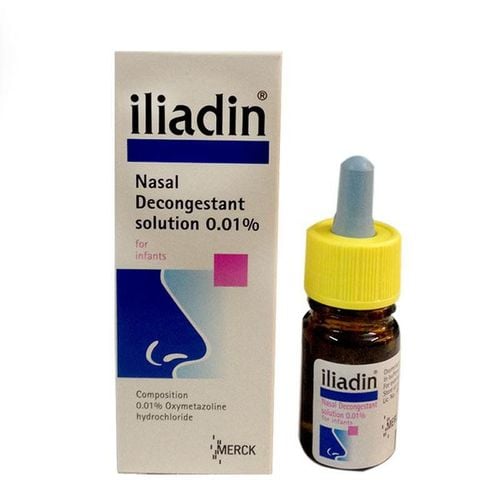
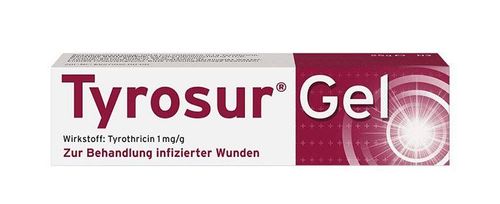
When children experience symptoms such as nasal congestion, runny nose, rhinitis, or dry nose, many parents often buy nasal drops and use them indiscriminately on their children. However, using nasal drops incorrectly for children is extremely dangerous and can even affect their cardiovascular health, blood pressure, and cognitive development.
1. Dangers of incorrectly using nasal drops for children
Runny nose and nasal congestion can make it difficult for children to breathe, wheeze, and feed, etc,... The causes of these symptoms include: pharyngitis, rhinitis, bronchiolitis, bronchitis, and in more severe cases, pneumonia, etc,... When a child has rhinitis, improperly cleaning their nose with nasal drops can prevent the medication from being absorbed effectively, significantly reducing treatment efficacy, and may even lead to recurrent illness, making it very difficult to treat.
Additionally, using nasal drops incorrectly for children can cause several side effects, such as:
• Nasal irritation, dryness, and nosebleeds
• Prolonged use may lead to throat fungus
• Some individuals sensitive to the components of the medication may experience nausea and vomiting, as well as stomach irritation
Therefore, if any of these conditions occur, it is important to inform a specialist doctor.

2. Guidelines for the safe use of nasal drops for children
• It is advisable to use isotonic saline solution, which is a normal saline, to clean a child's nose. Normal saline helps to moisturize the nasal mucosa in cases of dry and polluted air, loosens mucus, and thins secretions during rhinitis. Using normal saline as nasal drops for children is very safe and has no side effects.
• Do not use adult nasal drops for children. When using nasal drops for children, they should only be used for a few days as directed by a doctor.
• Parents should not purchase nasal drops for their children on their own and should not use any one type of nasal drop for an extended period, as this can worsen nasal conditions in children.
• Do not use nasal drops containing ingredients such as Xylometazoline, oxymetazoline, naphazoline, or combinations of oxymetazoline with dexamethasone (a corticosteroid), as this is a local vasoconstrictor medications. When they come into contact with the nasal mucosa, these medications will immediately cause vasoconstriction, making the nose feel clear, but then nasal congestion will occur again, requiring further application. After multiple uses, the nasal mucosa may become swollen and less responsive to the medication, necessitating higher doses, leading to a vicious cycle where the child becomes dependent on the medication.
Therefore, to ensure the safety of children experiencing nasal congestion, parents should take their child to a specialist doctor for examination and diagnosis. They should never use nasal drops for their child without medical advice, as this can lead to unpredictable consequences.

3. What to do when a child has a runny or stuffy nose
It is advisable to clean the nose when a child shows symptoms or has respiratory infections such as: runny nose, nasal congestion, cough, or otitis media, etc,... especially when the child comes home from outside.
In cases of runny or stuffy nose, it is important to ensure the child drinks plenty of fluids and breastfeeds (for children under 6 months).
For older children, when experiencing a runny or congested nose, parents can guide them to practice blowing their nose and support the use of saline solution in the correct amount to help thin the mucus. Do not use hands to pinch both sides of the nose while blowing, as this can create sudden pressure in the nose.
Medication should only be used as prescribed by a doctor; do not self-medicate or use folk remedies. Keep the child warm when going outside in cold weather, and maintain hygiene, as the child's immune system is still very weak.
It is advisable to clean the child's nose 30 minutes before eating to prevent vomiting. If the child does vomit, clean the nose immediately, as food mixed with stomach acid can stick to the nose, leading to persistent rhinitis in children.
When cleaning the nose, the child should be placed on their side. Choose a saline solution that allows for continuous spraying when the nozzle is pressed. After spraying the child's nose for about 5 minutes, parents should use a suction device to remove mucus from both nostrils before allowing the child to eat. Absolutely do not use your mouth to suction the child's nose, as this can easily spread germs to the child. For older children, they can sit and tilt their head to one side to spray the nasal medication. Afterward, guide the child to blow their nose clean.
If a spray bottle is not available, you can substitute with 0.9% saline solution by dropping it into the child's nose following the same steps above, then have them blow their nose. When the child blows their nose, guide them to use one finger to pinch one nostril while blowing the other, and then switch to the other nostril. It is crucial not to let the child blow their nose forcefully from both sides at the same time, as this can suddenly increase pressure in the ears and may cause eardrum rupture.
You can also use soft, durable tissue as a wick to place in the child's nostril to absorb nasal secretions, then remove it and replace it with a clean wick. Repeat these steps until the nose is clear.

Vinmec International General Hospital is one of the hospitals that not only ensures professional quality with a team of doctors and modern technological equipment but also stands out for its comprehensive and professional examination, consultation, and treatment services. The hospital provides a civilized, courteous, safe, and maximally sterilized environment for medical care. Customers choosing to utilize services here can be completely assured of the results. Additionally, customers will be examined by specialized doctors to assess disease risks and receive scientific treatment directions.
Customers can directly visit the Vinmec healthcare system nationwide for examinations or contact the hotline here for assistance.
SEE MORE
• Things to know about Seretide asthma spray
• Is allergic rhinitis contagious?
• Diagnostic tests for allergic rhinitis
To arrange an appointment, please call HOTLINE or make your reservation directly HERE. You may also download the MyVinmec app to schedule appointments faster and manage your reservations more conveniently.