Emergency contraception is used to prevent pregnancy if you have unprotected sex. While emergency contraception is typically used in urgent situations, some people still question whether it can be used regularly. This article provides an overview of this issue.
1. What is emergency contraception?
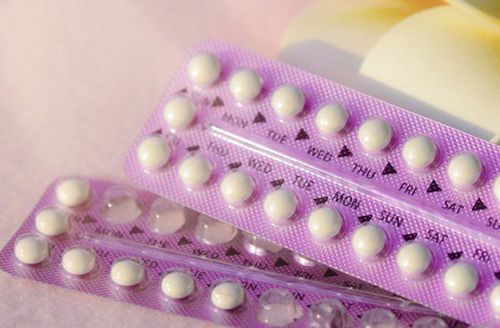
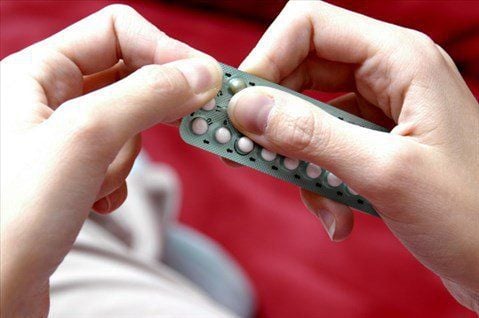
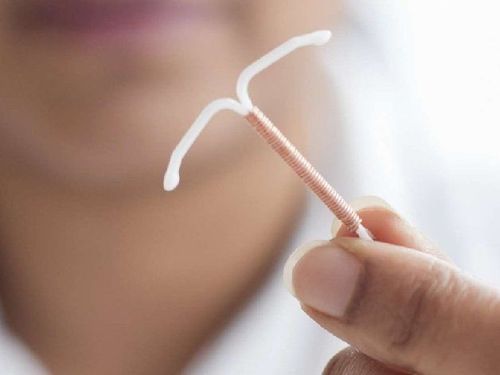
Emergency contraception is sometimes called the "morning-after pill." It is used to prevent pregnancy if you have sex without contraception. For example, if a condom breaks, if you miss a birth control pill, or if you don't use any contraception. The most well-known form of emergency contraception is the emergency contraceptive pill, sometimes called the morning-after pill, and another form is the copper intrauterine device (IUD). You can choose either the emergency contraception pill or the copper IUD for emergency contraception.
Emergency contraception comes in two types:
• Ulipristal acetate (sold under the brand name EllaOne®)
• Levonorgestrel (available under various brand names)
There is a group of different emergency contraception pills. The progestin-based drugs, known as levonorgestrel, are available in the United States. Another type, made with ulipristal acetate (an anti-progestogen), is only available with a prescription in the U.S. Additionally, some combined birth control pills ("the pill") can also be used as emergency contraception.
2. How effective is emergency contraception?
Emergency contraception is about 85% effective in preventing pregnancy. Ulipristal acetate emergency contraception is more effective than levonorgestrel emergency contraception.
Another emergency contraception option is the copper IUD. It is more than 99% effective in preventing pregnancy.

3. What makes emergency contraception ineffective?
Emergency contraception may not work if:
• You are taking certain medications (check with your doctor, nurse, or pharmacist).
• You use it too late.
• You vomit within 2-3 hours after taking it.
4. Should you use emergency contraception regularly as a normal birth control method?
Emergency contraception should not replace traditional birth control methods, although using emergency contraception more than once in a cycle is probably fine.
Emergency contraception will not affect your future fertility.
Can you take emergency contraception every month? Probably not. You might be fine if you use emergency contraception occasionally, but keep reading because the research is still unclear.
According to the manufacturers of emergency contraception and the American College of Obstetricians and Gynecologists (ACOG), emergency contraception is not designed to replace regular birth control methods.
In part, there hasn’t been much research on this topic. For example, studies on prescription-only pills are very limited in terms of usage beyond three times within a year. For those who use emergency contraception frequently, manufacturers recommend considering other contraceptive options.
ACOG does not recommend using emergency contraception as a long-term birth control option because, in general, a person will be exposed to higher hormone levels than if using a standard hormonal combination birth control method or progestin-only contraception. Additionally, frequent use can lead to side effects and more frequent menstrual irregularities.
In contrast to these recommendations, a group of researchers studied the effectiveness of levonorgestrel emergency contraception in people who have infrequent sex (6 days or fewer per month) using it as their main form of contraception. For women under 35 years old, the pregnancy rate when using emergency contraception (within 24 hours of intercourse in this study) was 11 pregnancies per 100 women per year. The rate was even lower with regular use (if combined with other contraceptive methods or taken late) with only 10 pregnancies per 100 women per year.

5. Can you take emergency contraception multiple times in one menstrual cycle?
While the manufacturers of levonorgestrel pills do not recommend taking emergency contraception more than once in a cycle, the American College of Obstetricians and Gynecologists (ACOG) and manufacturers of progestin-only pills contradict this and state that it is okay. More research is needed to determine if there are any effects from consistently repeated use. If emergency contraception is used multiple times, especially within the same cycle, a more reliable form of contraception should be considered.
Keep in mind that when you take emergency contraception, ovulation will be delayed or prevented for a few days. Therefore, your current cycle may be affected and could be shorter or longer by a few days. One in six people who take levonorgestrel emergency contraception may experience bleeding or spotting unrelated to menstruation within a week after taking the emergency contraception. Those who use levonorgestrel emergency contraception often experience abnormal bleeding.
If your period is more than a week late, you should take a pregnancy test. Remember that emergency contraception is not a guaranteed form of birth control.
If you require consultation and examination at Vinmec Hospitals within the national healthcare system, please schedule an appointment on the website (vinmec.com) to be served.
To arrange an appointment, please call HOTLINE or make your reservation directly HERE. You may also download the MyVinmec app to schedule appointments faster and manage your reservations more conveniently.