Diabetes in the elderly is often difficult to manage and comes with complex complications that can be life-threatening. Hypoglycemia is a common risk during diabetes treatment in elderly people. So what is hypoglycemia, and is it dangerous for the elderly? This article will help readers understand the symptoms of hypoglycemia in elderly people.
1. What is hypoglycemia?
Hypoglycemia is a condition in which blood sugar (glucose) levels drop abnormally low, below 3.9 mmol/L. Besides diabetes, hypoglycemia can also occur in people without diabetes, signaling an underlying health issue.

2. Signs of hypoglycemia in the elderly
The symptoms of hypoglycemia in elderly are not always easy to detect.
Hypoglycemia can cause the following behaviors and manifestations:
- Confusion and abnormal behavior (e.g., inability to complete routine tasks)
- Blurred vision
- Seizures or unconsciousness
- Mild increase in blood pressure
- Rapid heartbeat
- Tremors
- Excessive anxiety
- Sweating, pale skin
- Hunger
- Deep sleep at night with dreams of excessive eating
If blood sugar continues to drop, symptoms may progress to jaw stiffness, confusion, muscle weakness, and even coma. In the elderly, hypoglycemia is often more severe and harder to treat than in younger individuals. To confirm hypoglycemia in an elderly person, blood glucose levels should be checked at the time symptoms appear.
3. Causes of hypoglycemia
Using diabetes medications leading to hypoglycemia: Hypoglycemia often occurs when blood glucose drops too low, most commonly due to side effects of diabetes medication. This happens when patients do not follow doctors' instructions or fail to regularly monitor blood glucose levels.
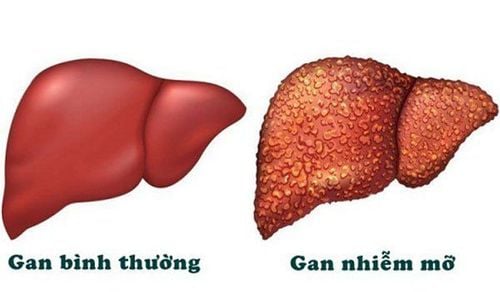
Sudden increase in glucose use by the liver: The liver in the elderly has a reduced ability to store glucose, especially when meals are skipped. Sudden exposure to cold environments can also trigger hypoglycemia. Similarly, sudden changes in posture, like standing up too quickly, may contribute to low blood sugar.
Reducing liver’s glucose storage: Even after eating, the elderly have a lower total glucose reserve in the liver, increasing the risk of hypoglycemia if they do not eat regularly. This is even more pronounced in those with chronic liver disease. Additionally, strict low-carb diets aimed at managing diabetes or preventing complications can also contribute to hypoglycemia.
Is Hypoglycemia in the Elderly Dangerous? Hypoglycemia is often more dangerous than high blood sugar because it can lead to sudden death if not treated promptly.
4. Treatment of hypoglycemia in elderly
- Stop diabetes medication or insulin injections
- For symptoms of mild hypoglycemia, consume a piece of candy, a sweet snack, or sugar water.
- For severe cases, seek immediate medical attention for glucose infusion at the nearest hospital.
5. How to prevent hypoglycemia in the elderly

- Do not skip meals
- Engage in light physical activity and maintain a moderate exercise routine
- Eat small, frequent meals throughout the day
- Carry sweets or candies to consume when early symptoms of hypoglycemia appear
- Avoid alcohol, especially drinking without eating
- Schedule regular medical check-ups to monitor and treat underlying causes of hypoglycemia
- Keywords: Hypoglycemia in the elderly
- Low blood sugar in elderly
- Elderly hypoglycemia
To arrange an appointment, please call HOTLINE or make your reservation directly HERE. You may also download the MyVinmec app to schedule appointments faster and manage your reservations more conveniently.