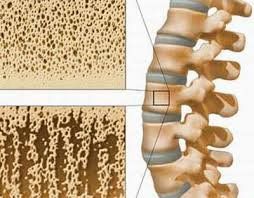

Among office workers, the rate of musculoskeletal disorders is over 65%. This percentage continues to increase as modern work becomes more dependent on computers.
1. Among office workers, the prevalence of musculoskeletal disorders (MSDs) exceeds 65%, and this figure continues to rise as more jobs involve prolonged computer use.
The decade from 2010 to 2020 was designated by the World Health Organization (WHO) as the “Decade of Bone and Joint Disorders”, highlighting the global significance and growing concern over MSDs.
2. The most common occupational disease in the world
MSDs are the most prevalent occupational disease in the world, particularly among office workers. In countries like the United States, Scandinavia, and Japan, MSDs make up the largest group of work-related health conditions.
These disorders can range from mild discomfort to severe functional impairment, and even permanent disability. They indirectly affect quality of life, reduce work productivity, increase sick leave, and place a financial burden on healthcare systems.
Symptoms can be either subjective (pain, numbness, stiffness, fatigue) or observable (muscle weakness, restricted movement, deformity, or loss of function). Among these, pain is the most common and impactful symptom.
The WHO has recognized pain as a vital sign, as essential to monitor as heart rate, blood pressure, and respiratory rate.
Pain in office workers with MSDs is often dull and persistent, qualifying as chronic pain. Musculoskeletal pain accounts for nearly 60% of all chronic pain cases.
A U.S. study found that chronic pain significantly impacts job performance, causing a loss of 4.6 work hours per week and costing over $61 billion annually. Notably, 76% of productivity loss is due to reduced efficiency, not absenteeism. Chronic pain also affects daily physical activity, emotional well-being, life satisfaction, and even social relationships.

3. Common Musculoskeletal Issues in Office Workers & Their Causes
Statistically, commonly reported problems among office workers are back pain, head and shoulder pain, wrist and hand pain, vitamin D deficiency
3.1 Back Pain
Though not involved in heavy labor, office workers often sit for long hours (6–8 hours/day), move infrequently, and sit with poor posture - such as slouching forward, uneven weight distribution, or crossing legs. These habits are primary contributors to back pain.
In mild cases, it leads to temporary muscle fatigue. In more serious cases, it may signal spinal degeneration or lumbar disc herniation.
3.2 Neck and Shoulder Pain
Sitting with arms extended forward and the head tilted down for prolonged periods places constant strain on the neck and shoulder muscles. Over time, this causes fatigue and pain in the upper back and neck due to muscle overuse and loss of cervical spine alignment.
3.3 Wrist and hand issues
Using a keyboard and mouse extensively leads to compression of the wrist joints. With minimal wrist movement, prolonged pressure can cause numbness and pain. Patients often feel pain radiating to the thumb, index, and middle fingers. Severe cases may result in thenar muscle atrophy (muscle wasting in the thumb) and impaired grip strength.
Pain and gait disturbance due to Vitamin D Deficiency
Though it doesn't cause localized symptoms directly, vitamin D deficiency has widespread effects on the musculoskeletal and neuromuscular systems. Often called the “sunshine vitamin,” vitamin D is synthesized by the skin when exposed to sunlight. However, indoor lifestyles and long work hours in enclosed offices significantly increase the risk of deficiency among office workers.
We often know vitamin D for its role in maintaining healthy bones. A deficiency of vitamin D can lead to osteoporosis and increase the risk of fractures. Lack of vitamin D also affects neuromuscular function, causing sensations of pain, numbness, fatigue, gait disturbances, and an increased risk of falls.
Since its discovery less than a century ago, numerous studies have shown that vitamin D has gone beyond the boundary of a simple vitamin and is now considered a hormone by physicians. Vitamin D deficiency is associated with cardiovascular diseases, diabetes, dyslipidemia, and decreased immunity in infections such as HIV. Few people know that without vitamin D, the body absorbs only 10–15% of calcium and 60% of phosphorus from dietary intake. Bone-forming cells can only perform bone formation when there is sufficient vitamin D and minerals present. However, most people, especially office workers, pay little attention to vitamin D deficiency.
4. Do office workers need to be screened for musculoskeletal disorders?
Many musculoskeletal symptoms in office workers develop silently or appear as brief episodes of pain or fatigue. Due to the busy nature of office work, few people pay attention to these symptoms and often ignore them. This negligence causes many cases to worsen, making treatment more difficult.
For a long time, people have assumed that musculoskeletal disorders only affect the elderly, leading to an indifferent attitude. In fact, once symptoms such as pain or discomfort appear, early intervention is essential to prevent complications and disability. Early management among working-age individuals helps improve quality of life, reduce work absenteeism, enhance productivity, and lessen the financial burden on healthcare systems.
To arrange an appointment, please call HOTLINE or make your reservation directly HERE. You may also download the MyVinmec app to schedule appointments faster and manage your reservations more conveniently.