1. Classification of Musculoskeletal Disorders in Diabetes Mellitus Patients
Musculoskeletal disorders in diabetic mellitus patients can be broadly categorized into 3 groups:
- Joint lesions
- Disorders of muscles and soft tissues
- Bone diseases
Joint lesions in diabetic mellitus patients are diverse and may include: adhesive capsulitis (frozen shoulder), gouty arthritis, osteoarthritis, rheumatoid arthritis, and degenerative joint disease. Common musculoskeletal and soft tissue disorders in diabetic mellitus patients include trigger finger, carpal tunnel syndrome, enthesitis, and muscle atrophy. The most frequent bone diseases are osteoporosis, osteomalacia, and secondary fractures due to osteoporosis.
Patients with diabetes mellitus tend to experience more severe and prevalent musculoskeletal disorders compared to non-diabetic patients. In the upper limbs, trigger finger occurs in 10-15% of diabetic patients, compared to only 1% in non-diabetics matched by age and sex.
Similarly, carpal tunnel syndrome and adhesive capsulitis (frozen shoulder) have been reported in 11-25% of diabetic patients and 10-20% of non-diabetic patients. The incidence of these conditions increases with the duration of both Type 1 and Type 2 diabetes and poor glycemic control. Even asymptomatic diabetic patients show a higher degree of rotator cuff tendon damage in the shoulder joint, leading to increased pain and limited shoulder mobility.

2. Postoperative Considerations in Musculoskeletal Surgery for Diabetic Patients
Moreover, after reconstructive surgery, diabetic patients experience more severe and more common restrictions in shoulder joint mobility. These adverse outcomes may be related to the poor quality of the repaired tissues.
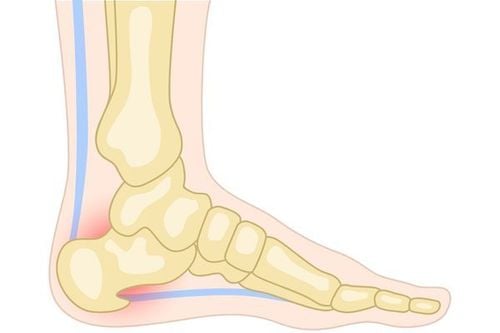
In the lower limbs, increased thickness and structural abnormalities of the plantar fascia and Achilles tendon have been demonstrated via ultrasound or MRI in both type I and type II diabetes patients. These changes are more severe in patients with previous diabetic neuropathy and foot ulcers.
Furthermore, diabetic patients often have reduced ankle joint range of motion, affecting the foot’s load-bearing capacity during walking and standing. This leads to prolonged and excessive muscle strain under body weight on the foot, contributing to the development of foot ulcers in diabetic individuals.
Diabetic patients engaging in sports (e.g., running) should pay attention to the overload on their musculoskeletal system. Regular monitoring and consultation with specialists are necessary. Patients should be aware that metabolic disorders such as diabetes can delay bone healing and increase postoperative complications.
Therefore, managing diabetes, obesity, hypercholesterolemia, and hyperuricemia before and after orthopedic surgery is essential to minimize negative outcomes and reduce hospital stay duration.
In summary, diabetes is a systemic disease that not only causes metabolic disturbances but also leads to various musculoskeletal disorders. Musculoskeletal disorders in diabetic patients result in disability and reduced quality of life. Early assessment and management of musculoskeletal disorders in diabetic patients help prevent pain, disability, and mortality.

Vinmec International General Hospital is one of the hospitals that not only guarantees professional quality with an experienced medical team and modern technological equipment but also stands out with comprehensive, professional consultation and treatment services; a civilized, polite, safe, and maximally sterile healthcare environment. Customers choosing to perform tests here can be completely confident in the accuracy of the test results.
To arrange an appointment, please call HOTLINE or make your reservation directly HERE. You may also download the MyVinmec app to schedule appointments faster and manage your reservations more conveniently.